

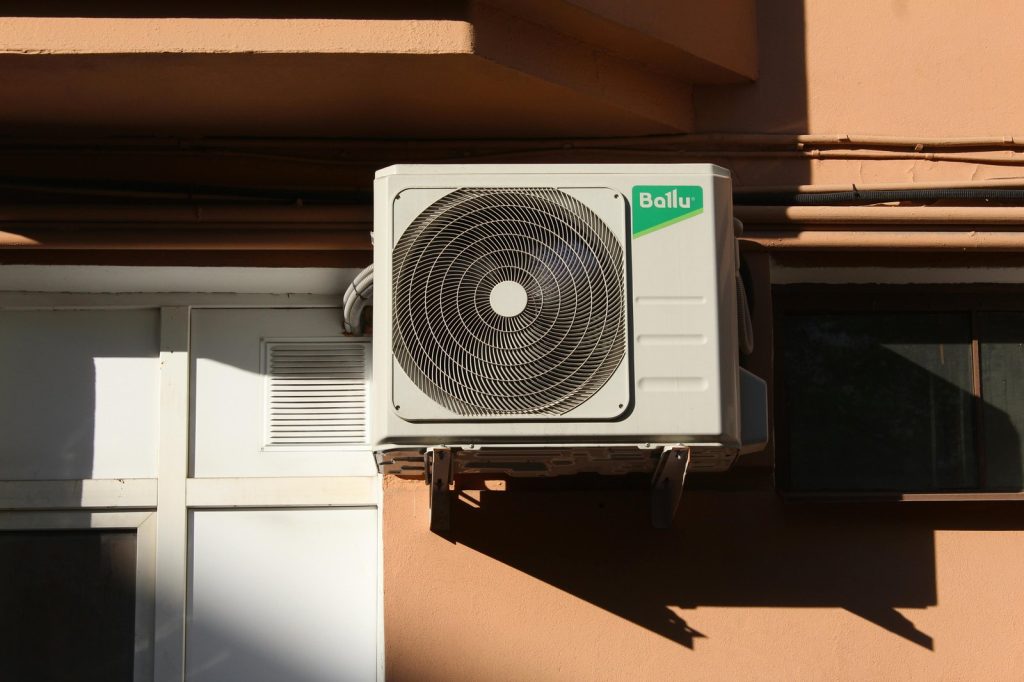
Nearly every air conditioner question we get ends in the same place: the unit needs its own line. An AC is a heavy, continuous load, and sharing a circuit with the lamp, the TV and the chargers is how you get a warm plug, a tripping breaker, or a unit that never quite performs. So the real question is not whether to add a dedicated line, but what that line costs, and that comes down to three things: the unit you are fitting, how far it sits from the panel, and whether the panel can take it.
The spec follows the unit
What sets the cost first is the air conditioner itself, because the circuit has to match it. A small window or wall unit, roughly 12,000 BTU and under, often runs on ordinary 110-volt power and a 20-amp circuit. Once you move up to 18,000 BTU and larger, you are almost always into 240-volt territory, with a two-pole breaker and heavier 10-gauge cable. The exact breaker and wire come from the unit’s nameplate, not a rule of thumb, which is the point we make in what size wire and breaker does an air conditioner need? A bigger AC simply needs a bigger, costlier circuit.
Split or window
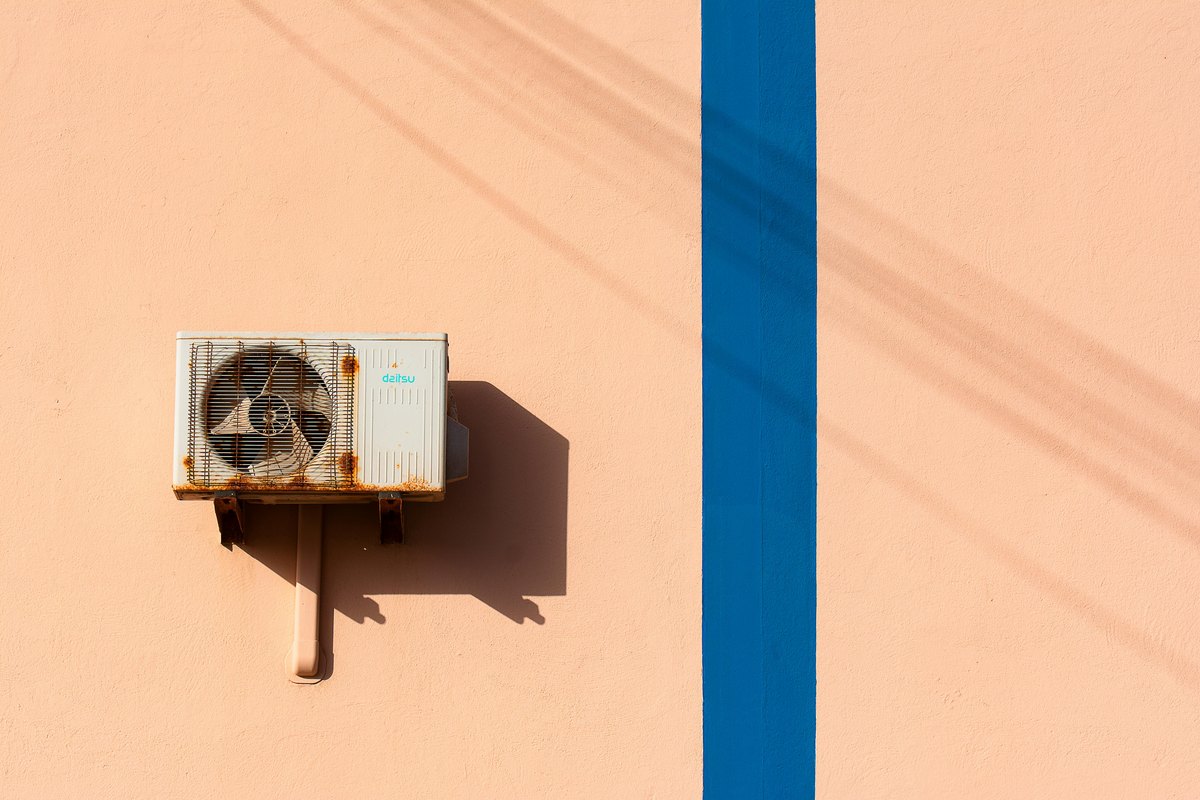
The type of AC changes the job as much as the size. A window or through-wall unit mostly needs a dedicated outlet near where it sits, which keeps the work simple. A split system is more involved: it needs a dedicated circuit run to the outdoor condenser, a disconnect switch within sight of that outdoor unit, and the cabling tied in at both ends. That disconnect is a required safety item and a real line on the quote, not an optional extra. A split is the better cooling for most rooms, but its electrical install costs more than a window unit’s, and that is worth knowing going in.
Distance and voltage drop
After the unit, distance is the main variable, and it bites harder with AC than with most things. Air conditioners often sit on a far wall or an outside wall well away from the panel, and on a long run the voltage drops by the time it reaches the unit. A motor fed low voltage draws more current, runs hot and trips, so the fix is heavier wire for the distance, which costs more than a short hop would. It is the same strain that shows up as a tripping AC, which we cover in why does my air conditioner keep tripping the breaker? And as with any Jamaican job, a run through block or concrete means surface conduit or chasing, which adds labour.
Can the panel take it?
A 240-volt AC circuit needs two free slots in the panel, and most homes do not stop at one air conditioner. Add a couple of bedroom units and a living-room split and you are asking the panel and the JPS service for a lot more than they were built for. If the panel has room, the circuit drops in. If it is full, the job grows to include a subpanel or a panel and service upgrade to carry the load, which can be the biggest single cost. This is why we look at the panel before quoting a roomful of AC.
Why the dedicated line is worth it
It is tempting to plug a window unit into the nearest outlet and be done, but that is exactly the setup behind the warm plugs and nuisance trips people then call us about. A dedicated line is not the electrician padding the job, it is what keeps a heavy motor from cooking a shared circuit. If you are adding AC to a room, the circuit is part of fitting it properly, the same thinking we apply in wiring a bedroom. You can read how these systems work under air conditioning.
Who should do it, and how we quote
Running a 240-volt circuit, fitting the outdoor disconnect, sizing the wire for the distance and any panel work are licensed-electrician jobs, both for safety and so a new circuit passes a Government Electrical Inspectorate inspection. The honest way to price it is to know the unit, see where it goes, measure the run and check the panel. We handle the electrical side as part of wiring and installations, and the quote follows those four things rather than a number over the phone.
Related reading
- What size wire and breaker does an air conditioner need? for the circuit an AC unit should be on.
- Why does my air conditioner keep tripping the breaker? for the voltage-drop and shared-circuit faults a dedicated line prevents.
- Wiring a bedroom: circuits, outlets and safety for fitting AC into a room properly.
- Wiring and installations for adding a dedicated AC circuit to standard.
Does an air conditioner really need its own circuit?
Yes. An AC is a heavy, continuous load, and sharing a circuit with the lamp, TV and chargers leads to warm plugs, tripping breakers and a unit that underperforms. A dedicated line keeps the motor from overloading a shared circuit, which is why adding AC to a room should always include its own correctly sized circuit.
What size circuit does an air conditioner need?
It depends on the unit. A small window or wall unit around 12,000 BTU and under often runs on 110-volt power and a 20-amp circuit, while 18,000 BTU and larger usually needs a 240-volt two-pole breaker and heavier 10-gauge cable. The exact breaker and wire come from the unit’s nameplate, not a rule of thumb, so the AC’s size drives the cost.
Why does a split system cost more to wire than a window unit?
A window unit mostly needs a dedicated outlet near where it sits. A split needs a dedicated circuit run to the outdoor condenser, a disconnect switch within sight of that unit, and cabling tied in at both ends. The disconnect is a required safety item and a real cost, so a split’s electrical install is more involved than a window unit’s.
Does the distance from the panel affect the cost of an AC line?
Yes, more than with most appliances. ACs often sit on far or outside walls, and on a long run the voltage drops by the time it reaches the unit, making the motor draw more, run hot and trip. The fix is heavier wire for the distance, which costs more. A run through block or concrete also adds labour for surface conduit or chasing.
Will my panel need upgrading to add air conditioning?
It might, especially for more than one unit. Each 240-volt AC circuit needs two free slots, and a few units plus a living-room split can ask far more of the panel and service than they were built for. If the panel is full, the job grows to include a subpanel or a panel and service upgrade, which can be the biggest single cost.
Can I just plug a window AC into a normal outlet?
You can, but it is the setup behind most of the warm plugs and nuisance trips people call us about. A window unit on a shared circuit overloads it. The safe, lasting answer is a dedicated line sized to the unit, fitted by an electrician, rather than relying on whatever outlet happens to be nearby.
The next step
Whether a dedicated AC line is a simple outlet or a 240-volt run with panel work depends on the unit, the distance and your panel. Get a free quote or message us, tell us the AC you have in mind and the room, and we will check the run and the panel and give you a real number.