


Wiring a backyard sounds simple until you realise the lights and outlets are the cheap part. The real cost is getting power from the house out to where you want it, across a stretch of ground that has nothing in it now. Once the supply is out there, adding a light or a socket is quick. It is the run between the house and the garden, and how you get it across, that sets the price. Here is what actually drives it.
The trench is the main event
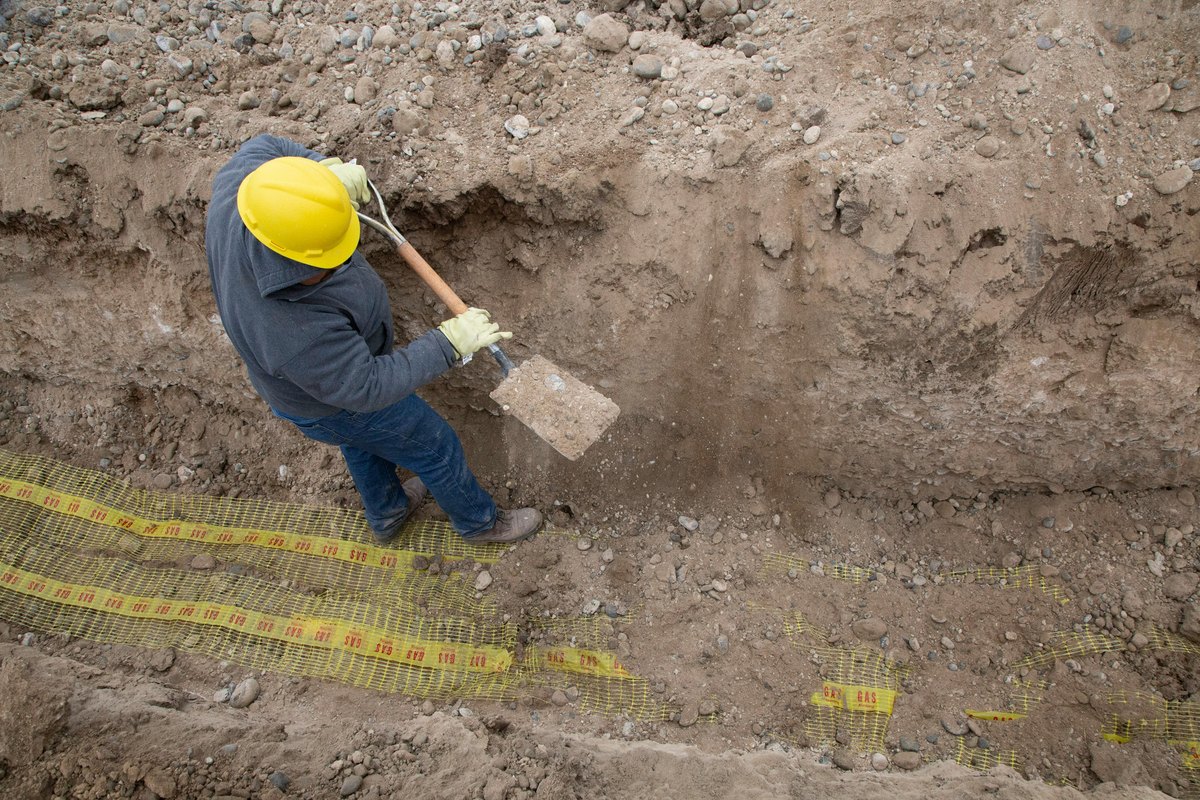
For anything beyond the wall of the house, getting power to the garden almost always means going underground, and that means digging a trench. A cable runs from the house out to the point you want, protected in conduit or as proper direct-buried cable, down at a safe depth so a fork or a future dig never finds it. The trench is the single biggest cost on most backyard jobs, and two local realities make it bigger: distance, because a run to the back of a deep lot is a lot of digging, and our ground, which is often hard and rocky rather than soft soil, so it is slower and heavier work to cut through.
What you are actually powering
The second driver is the load at the far end. A couple of garden lights and one weatherproof outlet need only a modest circuit, so the cable is light and the job is mostly the digging. Step up to a pool pump, a water feature, an outdoor kitchen, or a cabana with its own AC, and you are into heavier cable and a bigger circuit, because those loads pull real power over that distance. The more you want to run out there, the thicker the wire and the larger the supply, and that climbs the cost well before you count the fittings.
Everything outside has to be weatherproof
A garden is a wet location by default, so the same rules that govern a patio apply to the whole yard. Every outlet must be GFCI-protected and fitted with a weatherproof in-use cover, lights have to be rated for wet or damp locations, and all of it has to be built to shrug off our rain and, near the coast, salt air. Cheap indoor-grade fittings put outside fail in a season, so the gear costs a little more, and that is the baseline rather than an upgrade. We go into that standard in wiring an outdoor patio.
A shed or outbuilding is a bigger job
If the power is going to a detached structure rather than a single point, the job grows. A shed, studio or outbuilding usually gets its own small subpanel, fed by a buried feeder from the house, so it can run its own lights, outlets and circuits. That is more than a single garden outlet: it is a feeder cable sized for the building’s load, a grounded subpanel, and the wiring inside. It is the right way to power an outbuilding, but it sits at the higher end of backyard work.
The panel, and digging safely
Two more things shape it. The supply still has to come from your panel, so if the panel is full, the job may include a subpanel or upgrade to free up capacity. And before any trench is dug, the line of the dig should be checked for buried services, water, sewer, existing electrical, so the spade does not find them the hard way. Both are easy to overlook in a backyard quote and both matter.
Who should do it, and how we quote
Trenching to depth, running outdoor-rated cable, fitting weatherproof GFCI points and wiring a subpanel in an outbuilding are licensed-electrician work, and new circuits should pass a Government Electrical Inspectorate inspection before they are energised. The honest way to price a backyard is to walk it: how far the run is, what the ground is like, what you want to power, and whether it is a few points or a whole outbuilding. We do that as part of wiring and installations, and the quote follows the walk.
Related reading
- Wiring an outdoor patio: circuits, outlets and safety for the weatherproof standard outdoor points need.
- What does it cost to install security lighting in Jamaica? for lighting up the same outdoor space.
- What does it cost to add new outlets to a room in Jamaica? for how cable runs drive electrical pricing.
- Wiring and installations for outdoor circuits, garden points and outbuilding power to standard.
What is the biggest cost in wiring a backyard?
Getting the power there, which almost always means a trench. A cable has to run underground from the house to the point you want, in conduit or as direct-buried cable at a safe depth. The trench is the single biggest cost on most backyard jobs, and it grows with distance and with hard, rocky ground that is slow to dig.
Does it cost more to wire a backyard in hard or rocky ground?
Yes. Much of a backyard job is the trenching, and hard or rocky ground, which is common here, is slower and heavier to cut through than soft soil. That extra digging time raises the labour cost compared with an easy trench, so the nature of your ground genuinely affects the price.
Do garden outlets need to be weatherproof and GFCI?
Yes. A garden is a wet location, so every outlet must be GFCI-protected with a weatherproof in-use cover, and any lights must be rated for wet or damp locations. Cheap indoor-grade fittings put outside fail within a season in our rain and salt air, so weatherproof gear is the baseline, not an upgrade.
What does it cost to power a shed or outbuilding?
More than a single garden point. A detached structure usually gets its own small subpanel, fed by a buried feeder cable from the house, so it can run its own lights, outlets and circuits. That means a feeder sized to the building’s load, a grounded subpanel and the wiring inside, which sits at the higher end of backyard work.
How deep does backyard electrical cable have to be buried?
Deep enough to be safe from digging and damage, with the exact depth depending on the wiring method and whether conduit is used. The point is that it is well below the surface so a garden fork or a future dig will not reach it. An electrician sets it to the correct depth for the method and runs it in the right cable or conduit.
Can I dig the trench myself to save money?
It can reduce labour, but talk to the electrician first. The trench has to follow the right route, reach the correct depth, and avoid existing buried services like water, sewer and power, which should be located before any digging. The wiring, weatherproof points and any subpanel are electrician work and need to pass inspection.
The next step
Whether your backyard needs a single garden outlet or a buried feeder to an outbuilding, the cost comes down to the run, the ground and what you want to power. Get a free quote or message us, tell us what you have in mind and how far it is from the house, and we will walk the yard and give you a real number.