

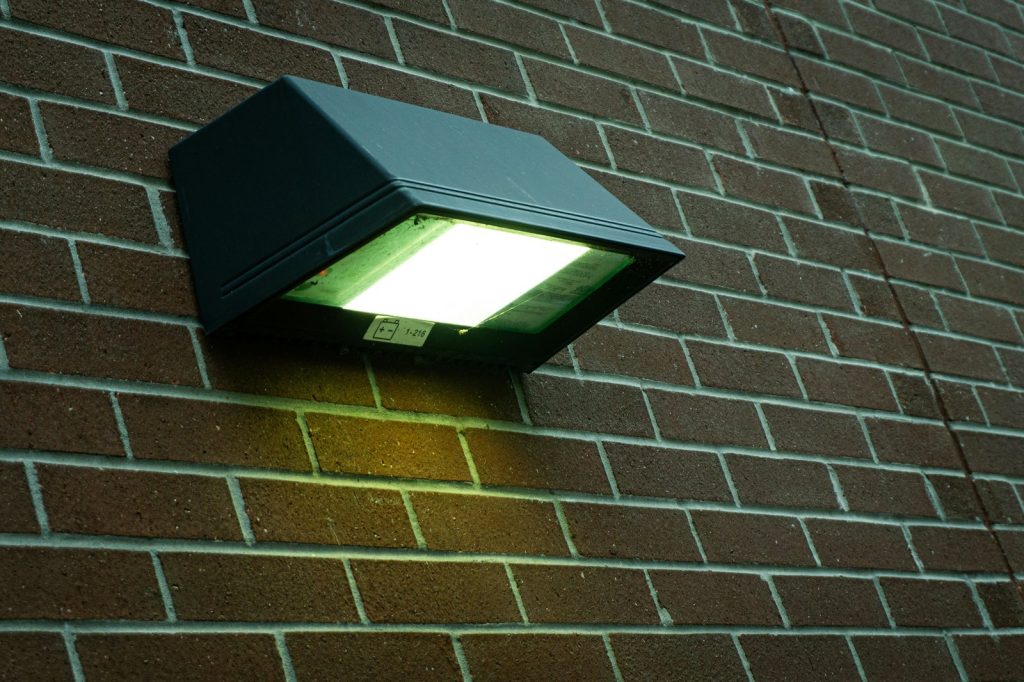
Security lighting is one of the cheaper things you can do for peace of mind, and the price has less to do with the lights than with two questions: how much of your property you want lit, and how you choose to power it. A single motion light over the back door is a small job. Lighting the whole perimeter, driveway and dark corners is a bigger one. Here is what actually drives the number, and the one choice that changes everything.
What security lighting actually is
At its simplest, security lighting is bright outdoor fixtures, usually LED floodlights, placed to remove the dark spots where someone could approach unseen: entrances, the driveway, side returns, the back of the house. Most use one of two triggers, or both. A motion sensor snaps the light on when something moves, which both startles and announces. A dusk-to-dawn photocell turns the light on at dark and off at daybreak automatically, so you are never relying on remembering a switch. A good setup mixes the two: steady low light where you want it always lit, motion-triggered brightness where you want a warning.
How much you want covered
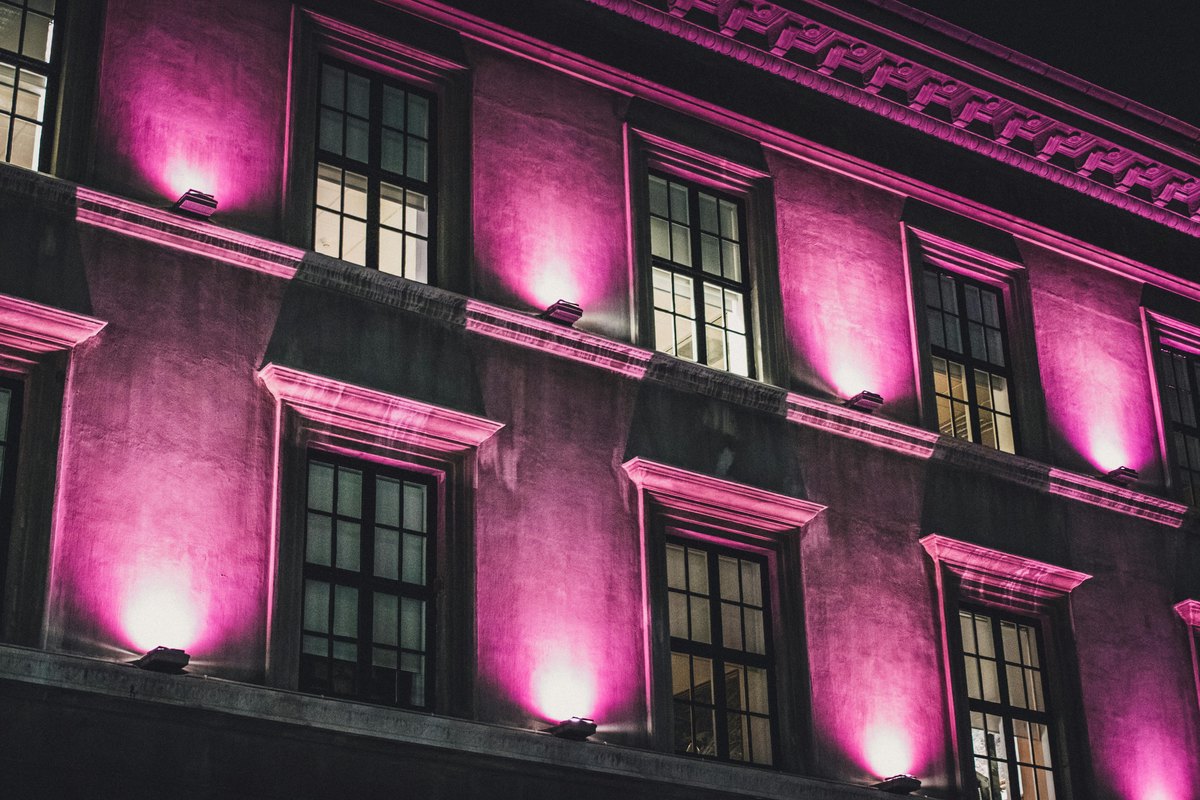
The biggest single driver of cost is how many fixtures you need, and that comes from your property, not a catalogue. A small townhouse might be well served by two or three well-placed lights. A house on its own grounds, with a driveway, a yard and several approaches, can need six or more to leave no dark gap. Every extra fixture is another light, another mount, and usually another length of cable, so coverage is where the cost adds up.
The wiring run to each light
After the count, the next driver is how far the power has to travel. A fixture going up near an existing outdoor circuit is quick. One at the far corner of the property, or at the gate, means running cable out to it, in outdoor-rated conduit and weatherproof fittings, which is more work and the same wet-location standard we describe in wiring an outdoor patio. Lights at the boundary or driveway, away from the house, are the ones that move the price most, because the cable run is the real cost, not the lamp.
The choice that changes everything: solar or wired
This is the decision that shapes the whole job. Wired floodlights pull steady power from the house, so they stay at full brightness all night, every night, and can be switched, automated and tied into the rest of your electrics. The cost is the cabling and the electrician. Solar floodlights need no wiring at all, mount almost anywhere there is sun, and cost nothing to run, which makes them ideal for an awkward far corner or a quick addition. The honest catch is that solar output sags as the battery drains through the night, the batteries wear out and need replacing, and a string of grey days leaves them weak, so for serious, reliable coverage wired still wins.
There is a Jamaican twist that tips the balance, though. A wired light goes dark in a power cut, which is exactly when you might most want it on. So solar earns its place here as outage-proof lighting, and the strongest setup is often a mix: wired floods for the main coverage, backed by either solar units or a battery system so the lights survive an outage. If you are already thinking about backup, security lighting is worth folding into that plan, as we cover in battery backup sizing.
The spec worth paying for
Whatever you choose, a few things are worth getting right rather than buying the cheapest. Proper LED fixtures rated for outdoor wet locations last in our rain and salt air, where cheap ones rust and fail in a season. A sensible residential floodlight is bright enough to matter, with a wide motion-detection angle, mounted high enough to throw light across the area rather than just down the wall. Getting the placement and the spec right is most of what separates lighting that actually deters from lighting that just looks lit.
Who should do it, and how we quote
Solar units in easy spots can be a homeowner job, but wired security lighting, cable runs to the perimeter, weatherproof outdoor circuits and any tie-in to backup are electrician work, both for safety and so it lasts outdoors. The only real way to price it is to walk the property at dusk, see where the dark spots are, and work out the runs. We do that as part of lighting installation, and the quote follows the walk.
Related reading
- Wiring an outdoor patio: circuits, outlets and safety for the weatherproof standard outdoor lighting needs.
- Battery backup sizing: keeping the essentials on through an outage for keeping security lights on when the power cuts.
- What does it cost to add new outlets to a room in Jamaica? for how cable runs and walls drive electrical pricing.
- Lighting installation for fitting security and outdoor lighting to standard.
What is the biggest factor in security lighting cost?
How much of your property you want covered, which sets how many fixtures you need. A small townhouse may need two or three lights, while a house on its own grounds with a driveway and several approaches can need six or more. Every extra fixture is another light, mount and usually another cable run, so coverage is where the cost adds up.
Is solar or wired security lighting better?
Wired floodlights stay at full brightness all night and can be switched and automated, but need cabling and an electrician. Solar units need no wiring and cost nothing to run, ideal for awkward corners, but their output sags as the battery drains overnight and batteries wear out. For serious, reliable coverage wired wins; solar suits easy add-ons and outage resilience.
Will my security lights work during a power cut?
Wired lights go dark in an outage, which is often exactly when you want them on. That is why solar units earn a place here as outage-proof lighting, and why the strongest setup is often a mix: wired floods for the main coverage, backed by solar or a battery system so the lights survive a cut. If you are planning backup anyway, fold the lighting into it.
What is the difference between a motion sensor and a dusk-to-dawn light?
A motion sensor snaps the light on when something moves, which both startles and warns. A dusk-to-dawn photocell turns the light on at dark and off at daybreak automatically, so it is always lit through the night with no switch to remember. Many good setups use both: steady light where you want constant coverage, motion-triggered brightness where you want a warning.
Why do cheap security lights fail so fast in Jamaica?
Because outdoor fixtures here face heavy rain and, near the coast, salt air, both of which corrode anything not built for it. A cheap light can rust and fail within a season. Proper LED fixtures rated for outdoor wet locations cost a little more but last, which makes them the better value over time.
Can I install security lighting myself?
Solar units in easy, sunny spots can be a homeowner job. But wired security lighting, cable runs out to the perimeter or gate, weatherproof outdoor circuits and any tie-in to a backup system are electrician work, both for safety and so the install survives the weather. The wiring run, not the lamp, is usually the real cost.
The next step
If parts of your property go dark at night, security lighting is one of the most cost-effective fixes there is, and the price comes down to coverage and how you power it. Get a free quote or message us, tell us what you want lit, and we will walk the property, advise on wired, solar or a mix, and give you a real number.