


Adding outlets is one of the most common jobs we get asked about, usually by someone fed up with running everything through one overworked power strip. The outlet itself costs almost nothing. What makes one job cheap and the next one not is everything behind the faceplate: the wall it sits in, and the circuit that has to feed it. Here is what actually drives the number, so you can see where your own room is likely to land before we ever quote it.
Extending a circuit, or running a new one
The first question is where the power comes from. If there is an existing outlet nearby, on a circuit that has spare capacity, the cheapest move is often to extend from it: tap that circuit and carry it to the new point. Quick, tidy, and the lower end of the cost.
If that circuit is already loaded, or the room genuinely needs more power rather than just more sockets, then you are into a new circuit run from the panel, with its own breaker. That is more cable, more work and a change at the panel, so it costs more. It is also sometimes the right answer rather than the cheap one, because piling more outlets onto a tired circuit just moves a tripping problem around the room instead of fixing it.
The wall is the real cost driver in Jamaica
Here is where a Jamaican job parts ways with the figures you find online. Most of those assume a drywall house, where an electrician fishes cable inside a hollow wall and patches one small hole. Plenty of Jamaican homes are concrete block or poured concrete, and you cannot fish cable through a solid wall. That leaves two honest options, and they cost differently.
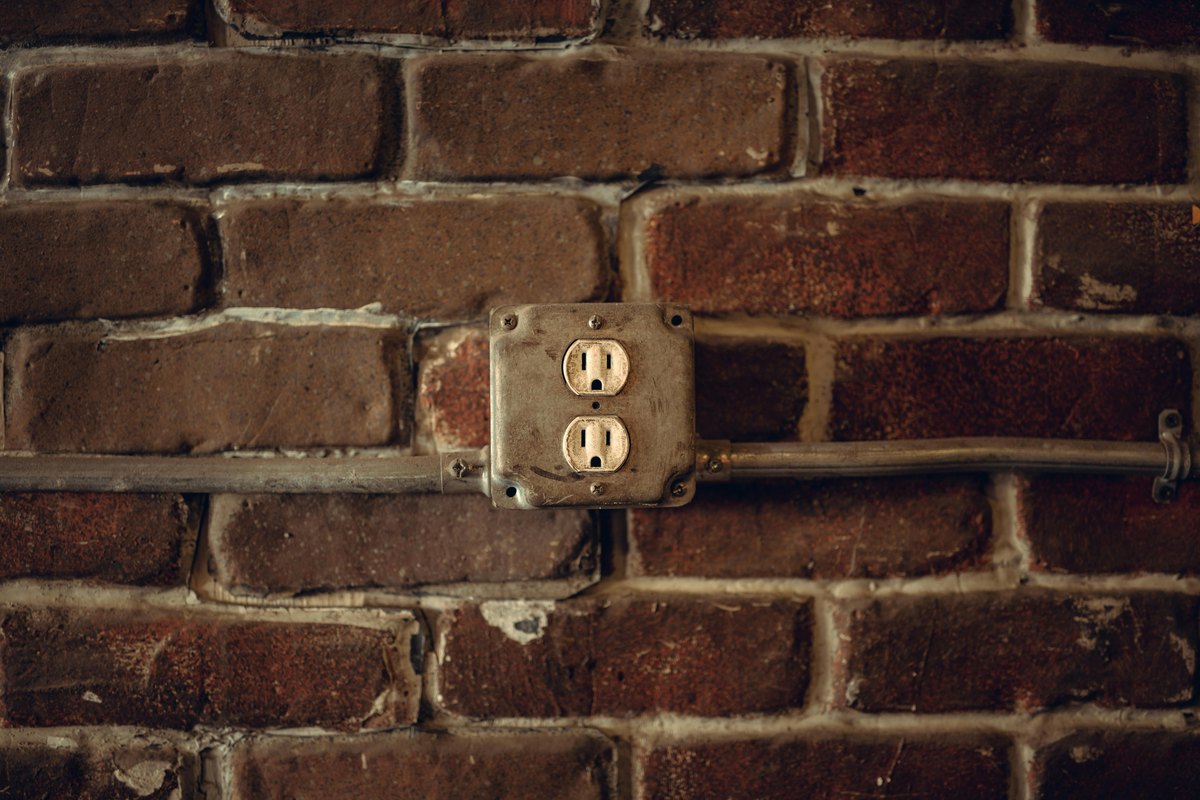
The first is surface conduit: running the cable in electrical conduit fixed to the face of the wall, with the box mounted on the surface. It is faster and cheaper, and done neatly it looks deliberate, but it is visible. The second is chasing: cutting a channel into the block, setting the box flush, running the conduit inside, then filling it back with mortar and repainting. It hides everything for a flush finish like a drywall house, but it is labour-intensive and the making-good afterward is part of the cost. Which you choose is a real tradeoff between budget and looks, and it is worth deciding before the work starts.
How many, and doing them together
The number of outlets matters, but so does doing them in one go. A lot of the cost of any outlet job is getting there: setting up, finding the source, running the route. Once that is done, adding a second or third outlet along the same run is far cheaper per outlet than calling someone back later for each one. If you know the room needs four outlets, having all four done together almost always beats doing one now and three next year.
The other things that move it
A few more factors nudge the price. Distance from the panel or the source outlet means more cable and time. A room that needs GFCI protection, like a kitchen or anywhere near water, uses protected devices that cost a little more. And if the work involves a new circuit, there may be inspection to factor in, since new circuits should be done to standard and pass a Government Electrical Inspectorate check before they are energised.
Why it beats the extension-cord habit
It is worth saying why this is money well spent. The reason most rooms need more outlets is that they were built with too few, and the gap gets filled with extension leads and daisy-chained power strips, which are a genuine fire risk. Proper outlets are the safe fix for that, the point we make in the room-by-room guides like wiring a living room. Spending on outlets is really spending on getting rid of the trailing cords.
Who should do it, and how we quote
Adding outlets means working on live circuits and, often, the panel, so it is electrician work rather than a weekend job. The only honest way to price it is to see the room: what the walls are made of, where the nearest source is, whether its circuit has room to spare, and whether you want surface conduit or a chased finish. We do that as part of wiring and installations, and the quote follows the look, not the other way around.
Related reading
- Wiring a living room: circuits, outlets and safety for why a room needs enough properly placed outlets.
- What does it cost to rewire a house in Jamaica? for how the same local factors scale up on a bigger job.
- What does it cost to install a ceiling fan in Jamaica? for another job where the ceiling or wall decides the price.
- Wiring and installations for adding outlets and circuits to standard.
What is the cheapest way to add an outlet to a room?
Usually extending from an existing nearby outlet, as long as that circuit has spare capacity. Tapping a circuit that is already there and carrying it a short distance to a new point is quicker and cheaper than running a new circuit from the panel. Whether it is possible depends on how loaded that circuit already is.
Why does adding an outlet cost more in a concrete or block house?
Because you cannot fish cable through a solid wall the way you can through hollow drywall. In a block or concrete home the cable has to run in surface conduit fixed to the wall, or be chased into a cut channel and mortared back in. The chasing-and-making-good option in particular is labour-intensive, which raises the cost compared with a drywall house.
What is the difference between surface conduit and chasing the wall?
Surface conduit runs the cable in trunking fixed to the face of the wall, which is faster and cheaper but visible. Chasing cuts a channel into the block, sets the box flush, runs the conduit inside and then fills and repaints it, hiding everything for a flush finish. Chasing costs more because of the cutting and making-good, so it is a tradeoff between budget and appearance.
Is it cheaper to add several outlets at once?
Yes. Much of the cost of any outlet job is the setup and the cable run to get there. Once that is done, adding more outlets along the same route is far cheaper per outlet than calling an electrician back separately for each one. If a room needs several, doing them together almost always works out cheaper.
Do I need a new circuit, or can I just add to an existing one?
It depends on how loaded the existing circuit is. If it has spare capacity, an outlet can often be added to it. If it is already near its limit, or the room needs genuinely more power, a new circuit from the panel is the right answer. Piling outlets onto a tired circuit just spreads a tripping problem rather than solving it.
Can I add an outlet myself to save money?
Adding an outlet means working on live circuits and often the panel, and new circuits should pass a Government Electrical Inspectorate inspection, so it is electrician work rather than a DIY saving. The safe and lasting fix for too few outlets is proper wiring, which also removes the extension leads that the shortage usually causes.
The next step
If a room is living on extension leads and one tired outlet, adding proper outlets is the fix, and the cost comes down to your walls and the circuit behind them. Get a free quote or message us, tell us the room and what it is built of, and we will look, talk you through surface conduit versus a chased finish, and give you a real price.