

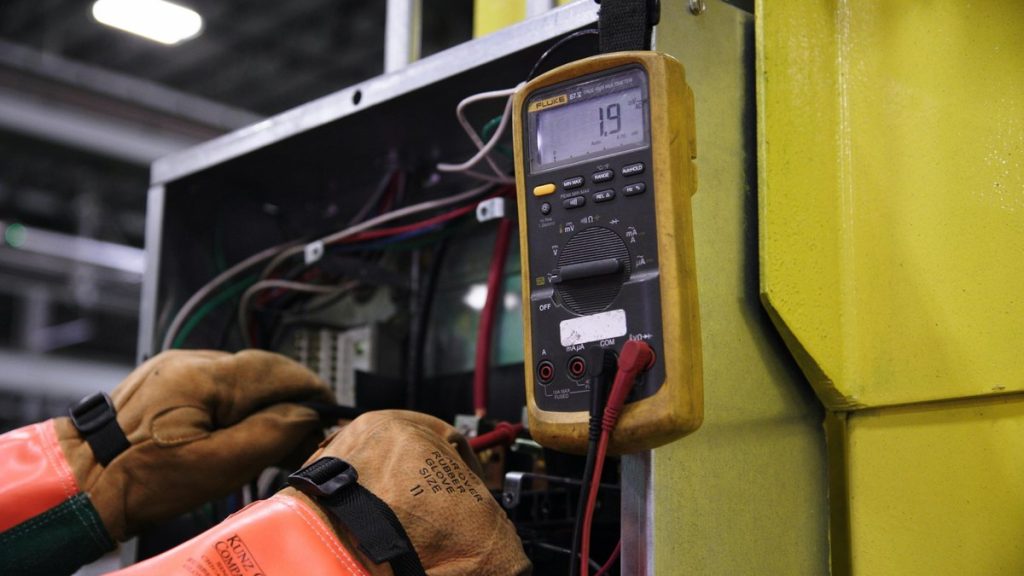
Most people never have their wiring looked at until a breaker keeps tripping or an outlet starts to smell. By then the problem has already shown up. An inspection works the other way round. It is a periodic check that catches the trouble while it is still small and cheap to deal with. So how often should you do one? It depends on how old the home is and what it has been through, but there is a simple guide worth following.
The general schedule
For a home in normal condition, a professional electrical inspection every three to five years is a sensible baseline. The system does not change much year to year, but connections loosen, insulation ages, and small faults develop slowly, and that interval catches them before they grow.
The older the home, the shorter the interval should be. A house past about 25 years old is worth checking every two to three years, because the wiring is closer to the end of its comfortable life and was designed for a lighter electrical load than a modern household puts on it. For a home older than 50 years, an inspection roughly once a year is the safe call, since very old wiring, and any aluminum branch wiring, deserves a closer eye. You can read what a property inspection generally covers on the Wikipedia home inspection page.
The events that should trigger a check anyway
The calendar is only half the story. Some events call for an inspection regardless of when the last one happened.
Buying a home is the big one. Before you commit, get the electrical system inspected, because the most expensive faults hide behind the walls and inside the panel where a walkthrough cannot reach, which is the whole point we make in how to spot dodgy electrical work when buying a home. A major renovation or addition is another, since new circuits and the extra load they add should be checked as a whole. So is adding a big new appliance like an air conditioner, a water heater, or an inverter, which leans hard on the existing wiring and panel. And after a serious surge, a lightning strike, or a storm, it is worth having the system checked for damage you cannot see.
Then there are the warning signs that mean do not wait at all: breakers that keep tripping, outlets or switch plates that are warm or discoloured, lights that flicker across the house, a buzzing panel, or any smell of hot plastic. Those are not “schedule it sometime” signs. They are call-now signs, and several of them point to the same faults we cover in signs your wiring is a fire risk.
Why our climate argues for sooner
Conditions here are harder on a home’s electrics than the textbook average, so the shorter end of every interval makes sense. The humidity and the salt air near the coast corrode connections and contacts, and corrosion is really just a slow loosening of the joints that carry your power. Frequent outages mean the whole house switches back on at once when the power returns, and that repeated inrush wears on the panel and the wiring over time. Then storm season throws water, wind, and surges on top. None of this makes a home unsafe today. It just means faults turn up faster than they would in a dry, steady climate, which is the same reasoning behind the electrical safety checklist before the rainy season.
What an inspection actually looks at
A proper inspection is more than a glance at the panel. An electrician checks the panel and breakers for heat, corrosion, and loose connections, tests outlets and the GFCI protection in wet areas, confirms the system is properly grounded, and looks over the condition of the wiring and the load on each circuit. The result is a clear picture of what is sound and what needs attention, which lets you plan and budget instead of being surprised. Carrying that out, and putting right whatever it turns up, is wiring installation work.
The takeaway
Inspect a normal home every three to five years, an older one every two to three, and a home past 50 about once a year. On top of that, always inspect before buying, after a renovation or a big new appliance, and after a serious surge or storm, and never wait on warning signs like tripping breakers, warm outlets, or a burning smell. In our salt and humidity, lean toward the sooner end. An inspection is a small, planned cost that exists to keep a much larger, unplanned one from ever arriving.
Related reading
- How to spot dodgy electrical work when buying a home for the checks that matter most before a purchase.
- Signs your wiring is a fire risk for the warning signs that mean inspect now.
- Electrical safety checklist before the rainy season for the seasonal round worth doing yourself.
- Wiring installations to inspect your system and put right what it finds.
How often should a home electrical system be inspected?
For a home in normal condition, every three to five years is a sensible baseline. A home past about 25 years old is worth checking every two to three years, and a home older than 50 roughly once a year. In a humid, salt-air climate like ours, lean toward the shorter end of each interval.
Do I need an electrical inspection when buying a house?
Yes. Before you commit, have the electrical system inspected, because the most serious and expensive faults hide inside the panel and behind the walls where a walkthrough cannot reach. A pre-purchase inspection tells you what you are buying and gives you something to negotiate or budget around.
What events mean I should inspect sooner than scheduled?
Buying or selling, a major renovation or addition, adding a big appliance like an air conditioner, water heater, or inverter, and any serious surge, lightning strike, or storm. Also inspect right away if you notice tripping breakers, warm or discoloured outlets, flickering lights, a buzzing panel, or a burning smell.
Why do older homes need more frequent inspections?
Older wiring is closer to the end of its life and was designed for a lighter electrical load than a modern household uses. It can deteriorate faster and may include outdated methods or aluminum branch wiring, all of which deserve a closer and more regular look.
What does an electrical inspection cover?
An electrician checks the panel and breakers for heat, corrosion, and loose connections, tests outlets and the GFCI protection in wet areas, confirms the system is properly grounded, and reviews the wiring condition and the load on each circuit. You get a clear picture of what is safe and what needs work.
Is an electrical inspection worth the cost?
It is a small, planned cost compared with the unplanned one it prevents. Catching a loose connection, a worn breaker, or missing grounding early is far cheaper than a fire, a damaged appliance, or an emergency repair. For older homes and after major changes, it is money well spent.
The next step
Not sure when your wiring was last looked at? That usually means it is time. Get a free quote or message us, and we will inspect your panel, outlets, and wiring, and tell you plainly what is safe and what needs attention.