

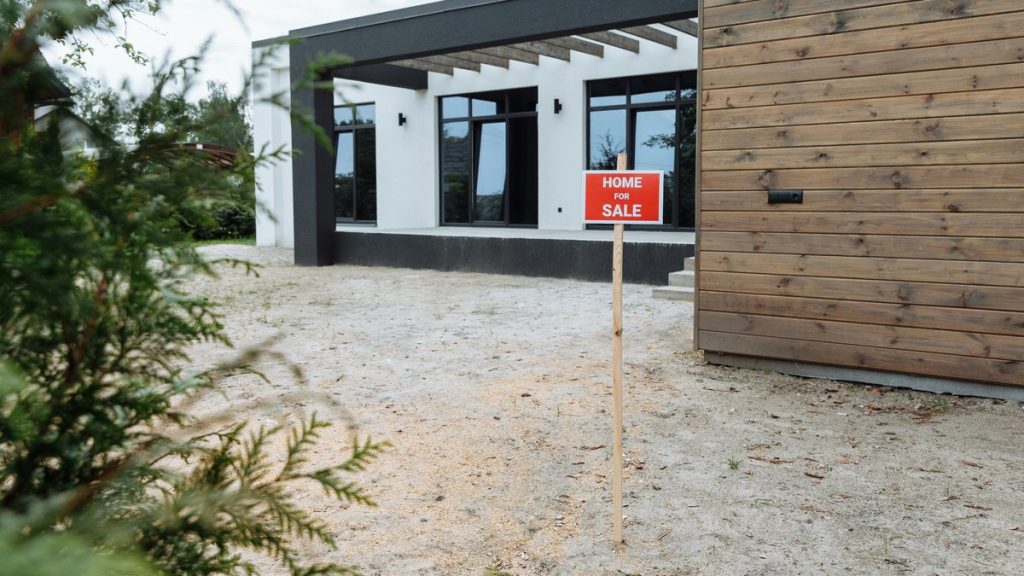
Fresh paint and new tile are easy to admire. The wiring behind them is easy to ignore, and that is exactly where the expensive, dangerous surprises hide. Plenty of homes have had years of owner additions and quick fixes that no electrician ever signed off on, and faulty electrical work is one of the most common causes of house fires. Before you commit to a place, it pays to know the red flags. Here is what a buyer can spot on a walkthrough, and where the real checking has to happen.
Red flags at the outlets and switches
Start with what you can see and touch. Walk the house and look at the outlets and switch plates. Brown staining, scorch marks, or a melted look means heat has been building behind them. An outlet that is warm, that sparks beyond a quick flash, or that buzzes is telling you something is wrong. Wiggle a plug in a few of them; the ones that are loose or barely hold a plug are worn out. Count the two-prong outlets, because a house full of them is ungrounded, and watch for little three-to-two adapters, or three-prong outlets that may have been fitted with no real ground behind them, which we explain in two-prong vs three-prong outlets and grounding. And check the wet areas: a kitchen, bathroom, or outdoor space with no GFCI outlets is a sign the wiring was never brought up to a safe standard.
Red flags at the panel
You can learn a lot from the breaker panel without ever opening it. Look at the cover and the area around it for rust, scorch marks, or a burnt smell. Check whether the breakers are labelled at all, because a panel nobody bothered to label is often a panel nobody did carefully. A very old or undersized panel, or one packed so full that extra breakers have been crammed in, points to a home asking more of its electrics than they were built for, which is the theme of signs your breaker panel needs upgrading. What you should not do is take the cover off to look inside. That is dangerous and a job for an electrician, as we explain in why DIY panel work is dangerous.
The signs of DIY and old wiring
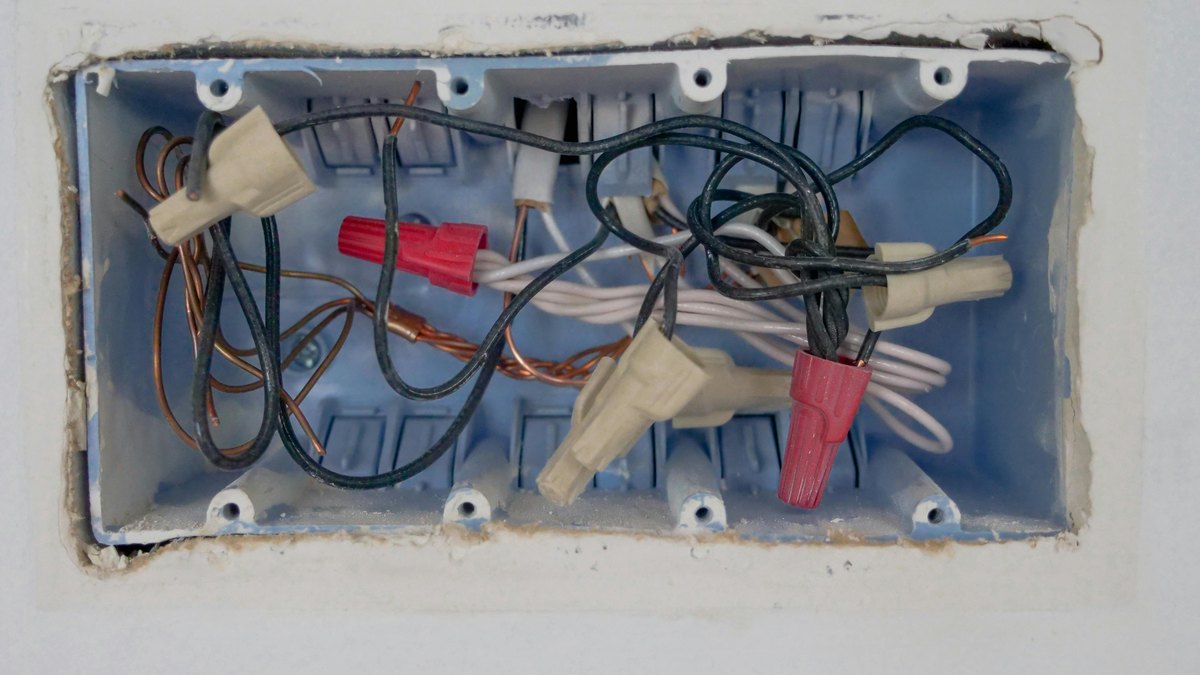
Some of the clearest tells are the marks of work done on the cheap. Wires joined with electrical tape instead of proper connectors. Junctions sitting open with no box around them. Cables run across the face of a wall or ceiling rather than through it. Light fixtures and switches mounted crooked or with bare conductor showing. Look in the spaces nobody bothers to finish: the back of a closet, the laundry, under the sink, the garage, the outside walls. That is where rushed wiring tends to live. Old wiring is its own red flag too. Cloth or brittle insulation, or aluminum branch wiring, points to a home that may need real work, and we cover the aluminum case in aluminum wiring: risks and what to do about it.
Ask the right questions
A walkthrough only tells you so much, so ask. When was the house last rewired, and by whom? Has the panel been upgraded? Were the additions, the extra room, the outdoor kitchen, the pool pump, wired by an electrician or by the owner? Are there circuits that trip, lights that flicker, outlets that do not work? Sellers do not always know, but the answers, and the gaps in them, tell you how much the electrics have been looked after.
Why an inspection is the smart move
Here is the honest truth: the most dangerous problems are the ones you cannot see on a walkthrough. A loose connection in a wall box, neutrals and grounds wrongly combined in a subpanel, a missing ground rod, two wires jammed under one breaker. None of these show from the outside, and all of them are serious. The only reliable way to know what you are buying is a pre-purchase electrical inspection by a qualified electrician, who can open the panel safely, test the outlets and grounding, and tell you what is sound and what is not. The Wikipedia home inspection page covers what an inspection looks at. That inspection costs a fraction of a rewire you did not see coming, and the findings give you something to negotiate the price with or budget the repairs around. Getting that assessment, and putting right whatever it turns up, is wiring installation work.
The takeaway
A home can be beautifully finished and still be wired in a way that is unsafe. On a walkthrough, look for scorched or worn outlets, missing GFCIs in wet areas, two-prong or fake-grounded outlets, a rusty or unlabelled panel, taped splices, open junctions, and old or aluminum wiring, and ask straight questions about who did the work and what trips or flickers. But treat all of that as a screen, not a verdict. The wiring that matters most is behind the walls and inside the panel, so before you buy, get a qualified electrician to inspect it. It is the cheapest insurance against the most expensive surprise a house can hold.
Related reading
- Signs your wiring is a fire risk for the warning signs to look and smell for.
- Two-prong vs three-prong outlets and grounding for the grounding red flags in detail.
- Why DIY panel work is dangerous for why you leave the panel to a professional.
- Wiring installations to inspect a home’s wiring and put right what it turns up.
What are the signs of bad electrical work when buying a home?
On a walkthrough, look for scorched or discoloured outlets, outlets that are warm, loose, or spark, missing GFCIs in kitchens, bathrooms and outdoors, two-prong or fake-grounded outlets, a rusty or unlabelled panel, wires joined with tape, open junction boxes, and surface-run or old wiring. Any of these suggests work done without proper care.
Can I check the electrical panel myself when viewing a house?
You can look at the panel without opening it: check the cover and surroundings for rust, scorch marks or a burnt smell, and see whether the breakers are labelled and the panel is not overstuffed. Do not take the cover off, since the parts inside stay live and dangerous. Opening it is a job for an electrician.
Are two-prong outlets a red flag in a home I am buying?
They indicate ungrounded wiring, which is a safety and protection concern. Also watch for three-to-two adapters and three-prong outlets that may have been fitted with no real ground behind them, which look modern but protect no one. An electrician can test whether outlets are genuinely grounded.
What questions should I ask the seller about the electrics?
Ask when the house was last rewired and by whom, whether the panel has been upgraded, and whether additions like an extra room, outdoor kitchen, or pool pump were wired by an electrician or the owner. Also ask about any circuits that trip, lights that flicker, or outlets that do not work.
Do I really need an electrical inspection before buying?
It is the smartest money you can spend. The most dangerous problems, such as loose connections, mixed neutrals and grounds in a subpanel, or a missing ground, do not show on a walkthrough. A qualified electrician can open the panel safely, test the system, and tell you what is sound, which you can use to negotiate or budget repairs.
How serious is dodgy electrical work in a home purchase?
Serious enough to take seriously. Faulty electrical work is among the most common causes of house fires, and fixing it after the fact, such as a full rewire, can be costly. Spotting it before you buy lets you factor it into your decision and your price rather than inheriting a hidden hazard.
The next step
Thinking of buying a home, or just unsure what you have already bought? Get a free quote or message us, and we will inspect the wiring and panel, tell you plainly what is safe and what is not, and give you the findings you need to decide.