

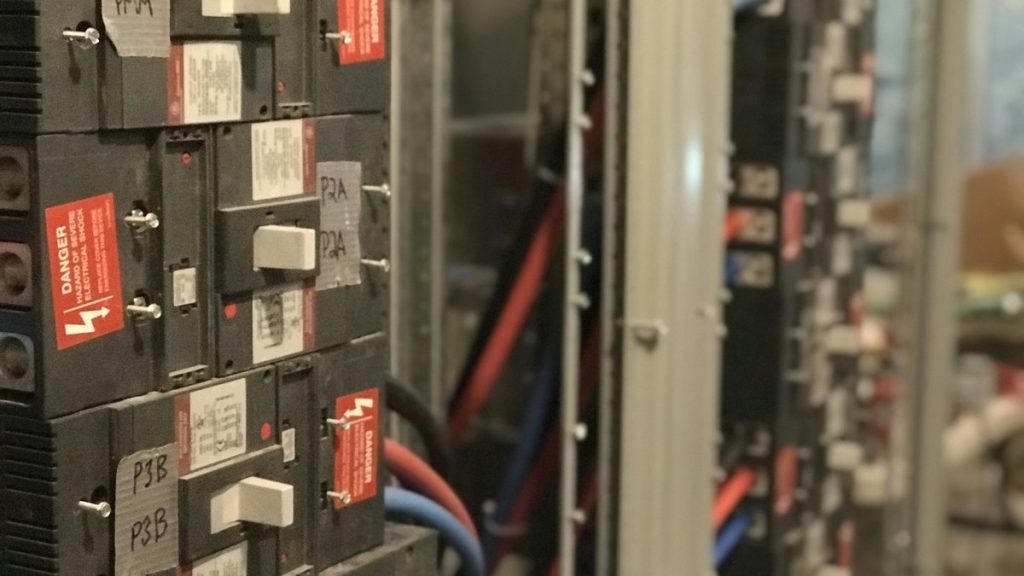
Most electrical faults break one thing. A neutral fault is greedier. It can take out everything plugged in across the house at once, and at the same time leave the metal cases of your appliances live enough to shock you. That double act is why electricians treat it as urgent and not just an annoyance. To see how one wire does all that, it helps to know what the neutral is quietly doing every day.
What the neutral does
The supply into a typical home is split-phase: two 120-volt legs that add up to 240 volts for big appliances, with a neutral wire running between them. The neutral is the return path that completes your circuits, and it is also the reference point that holds each leg at a steady 120 volts. As long as that neutral connection is solid, the load on the two legs stays balanced and every outlet sees a clean 120 volts. You can read the basics of this arrangement on the Wikipedia split-phase electric power page.
A neutral fault is what happens when that wire, or one of its connections, goes bad. It can break completely, which is called an open neutral, or it can go loose, corroded, or high-resistance, which is a partial fault. Either way, the steadying job the neutral was doing stops being done properly.
Why a broken neutral is so dangerous
Here is the heart of it. When the neutral opens, the two 120-volt legs are no longer held in place. The 240 volts across them stops dividing evenly and instead splits according to whatever is plugged into each leg. A leg with little load on it can have its voltage shoot up, climbing well above 120 and heading toward 240, while the heavily loaded leg sags low.
That high side is the killer. Anything with a circuit board or a motor, the TV, the fridge, the computer, a charger, can suddenly be fed far more voltage than it was built for and fail on the spot. Half the house can go in the same instant, and the same overvoltage can overheat wiring and start a fire. It is the worst version of the voltage problems we describe in protecting electronics from JPS voltage swings, except this time it is coming from inside your own walls.
Then there is the shock hazard. With the return path broken, current that needs to get back to the source goes looking for another way, and that can energise the neutral wire itself, the metal case of an appliance, or even plumbing pipes. The result is that touching the fridge, the washer, or a tap can give you a shock. A fault you cannot see has quietly made the metal around your home live.
Where a neutral fault happens
A neutral can fail at a few points, and where it fails affects how much of the house is involved.
The most common spot is a loose neutral connection at a single device, like the silver screw on the back of an outlet that was never tightened properly or has worked loose over time. That tends to affect one circuit or part of the house. Further up, a loose or corroded neutral at the panel, on the neutral bar, affects much more. And furthest up, the neutral can fail out at the service connection or on the utility side, from corrosion at the weatherhead, storm damage, or a fallen limb, which throws the whole house into the fault at once.
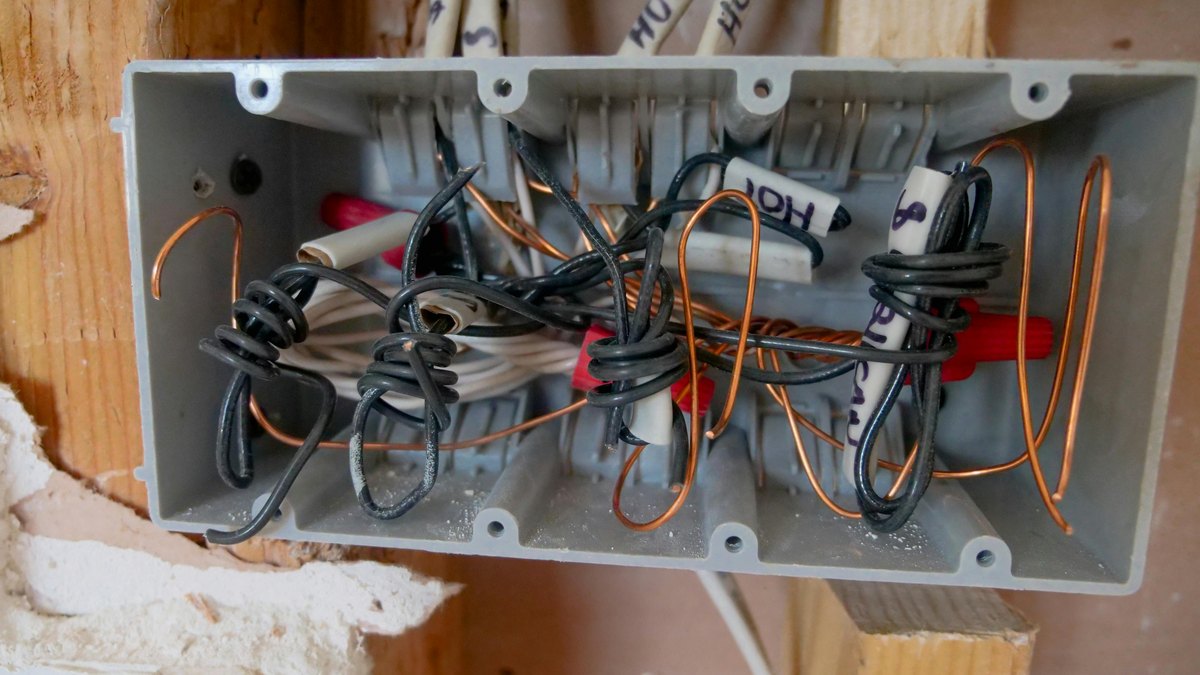
The point is that the loose-connection story is the same one we tell in signs of a loose electrical connection; a neutral fault is just that problem landing on the one wire that holds your whole system steady.
The warning signs
A neutral fault often announces itself, though the signs can come and go, which makes it easy to dismiss. Lights that dim and brighten on their own, or flicker across the whole house, are a classic, which is why we treat it as a leading suspect in what causes lights to dim across the whole house. Appliances that run at half power, behave oddly, or buzz are another. So is a mild shock or tingle off an appliance case or a tap, a burning smell or discoloration at an outlet, or several devices failing around the same time. Any tingle off metal, in particular, is a stop-now sign.
Why it bites harder here
Our conditions make neutral faults more likely. Salt air and humidity corrode connections, and a corroded neutral is a high-resistance one. Older homes with aluminum wiring loosen at terminals over the years. Storms can damage the service connection where the neutral comes in. And our frequent outages, with the whole house slamming back on at once, stress every joint, including the neutral. None of that means your neutral is failing today, but it does mean this is a fault worth knowing the signs of.
What to do, and what not to do
If you see the signs, especially a tingle off appliances or voltage swinging the lights, treat it as urgent. Switch off and unplug sensitive electronics to protect them and to reduce the imbalance. Avoid touching appliance cases, taps, and pipes until it is sorted. And call a qualified electrician promptly, because a neutral fault can damage more with every hour it runs.
What you must not do is open the panel or start probing connections yourself. The neutral fault makes normally safe parts live in unpredictable ways, the panel and service connections carry lethal voltage, and this is precisely the kind of hidden, shifting fault that an electrician needs instruments to trace safely. Finding where the neutral has failed, whether at an outlet, the panel, or the service, is voltage diagnosis work. If you suspect the fault is on the utility side, a whole-house problem after a storm, or damage at the weatherhead, it is also worth reporting to JPS.
The takeaway
The neutral is the wire that keeps both halves of your supply balanced and gives the current a way home. When it fails, voltage stops dividing evenly, so some outlets surge high enough to destroy electronics and start fires while the broken return path can make appliance cases and pipes live enough to shock you. The signs are lights that swing, appliances that act up, and any tingle off metal. If you notice them, unplug what you can, keep clear of appliance metal, and get an electrician on it quickly. Few home faults do this much harm this fast, which is exactly why a neutral fault is not one to wait on.
Related reading
- What causes lights to dim across the whole house for the symptom that most often points to a neutral fault.
- Signs of a loose electrical connection for the connection problem at the root of most neutral faults.
- Protecting electronics from JPS voltage swings for guarding against the overvoltage side of it.
- Voltage diagnosis to trace where a neutral has failed and put it right safely.
What is a neutral fault?
A neutral fault is a problem with the neutral wire that carries current back and keeps your two 120-volt supply legs balanced. It can be a complete break, called an open neutral, or a loose, corroded, or high-resistance connection. When the neutral is not solid, the voltage across the house stops dividing evenly.
Why is a neutral fault dangerous?
Two reasons at once. The voltage on a lightly loaded leg can climb well above 120 volts and destroy electronics and motors, and the overvoltage can overheat wiring and start a fire. At the same time, the broken return path can energise the neutral, appliance cases, and pipes, so touching the fridge or a tap can give you a shock.
What are the signs of a neutral fault?
Lights that dim and brighten or flicker across the whole house, appliances running at half power or buzzing, several devices failing at once, a burning smell or discoloration at outlets, and a mild shock or tingle off an appliance case or a tap. The signs can come and go, which makes them easy to dismiss.
Where does a neutral fault usually occur?
Most often at a loose neutral screw on the back of an outlet, which affects one circuit or area. It can also happen at the neutral bar in the panel, affecting much more, or out at the service connection or utility side from corrosion or storm damage, which throws the whole house into the fault at once.
What should I do if I think I have a neutral fault?
Treat it as urgent. Switch off and unplug sensitive electronics, avoid touching appliance cases, taps, and pipes, and call a qualified electrician promptly. Do not open the panel or probe connections yourself, because the fault makes normally safe parts live and the panel carries lethal voltage. If it may be a utility-side problem, report it to JPS too.
Can a neutral fault damage my appliances?
Yes, badly. When the neutral opens, devices on the lightly loaded leg can see voltage well beyond their limits, which can instantly destroy circuit boards, motors, and heating elements in TVs, fridges, computers, and chargers. Many devices can fail in the same moment, which is why it is one of the more costly faults if left running.
The next step
If your lights swing, your appliances act strange, or you feel a tingle off the fridge or a tap, do not wait. Get a free quote or message us, and we will trace the neutral, find where it has failed, and make your system safe before it costs you a houseful of electronics.