


The rainy season is hard on a home’s electrics. Heavy rain works its way into outdoor outlets, lightning sends surges down the line, and flooding can turn a small fault into a real danger. A little preparation before the worst of the weather arrives goes a long way. So here is a checklist, split into what you can safely do yourself and what is worth calling an electrician for, so your home is ready when the rain sets in.
What you can check yourself
A few of these take only minutes and cost nothing.
Start with your GFCI outlets, the ones with test and reset buttons in bathrooms, kitchens, the laundry, and outdoors. Press test on each. The power should cut and reset should pop. If pressing test does nothing, that GFCI has failed and needs replacing. These are your front-line protection in wet weather, so a working one matters more now than at any other time of year. The Wikipedia residual-current device page covers how they work.
Walk around your outdoor outlets next. Every one should have a weatherproof cover, ideally the in-use bubble type that keeps rain out even with a cord plugged in. Look for cracked covers, missing screws, or any outlet sitting open to the sky, and note them for repair. An outlet that has weathered a few hard rains can be damaged inside even when it looks fine, so treat any outdoor outlet that buzzes, sparks, or shows rust as out of action until it is checked.
Then learn, or refresh, two things that matter in a flood: where your main breaker is, and how to switch it off. If water ever rises toward your outlets or panel, cutting the power quickly and safely is the most useful thing you can do, and we walk through it in how to safely shut off power in an emergency. And when a storm is rolling in, unplug the electronics you can. The cheapest surge protection of all is a device that is not plugged in.
What to have an electrician check
The rest of the list needs tools, training, or work inside the wiring, and it is worth booking before the season rather than during a crisis.
Ask about surge protection if you do not already have it. A whole-home surge protector at the panel knocks down the lightning and switching surges the wet season brings, and it covers the hard-wired things you cannot put on a power strip. We compare the layers in surge protection: whole-home vs power strips.
Have your earthing checked. Surge protection and shock protection both rely on a sound earth, and damp, salt air, and time quietly corrode earth connections. The earth is the foundation everything else sits on, so it is worth confirming before you trust the protection above it.
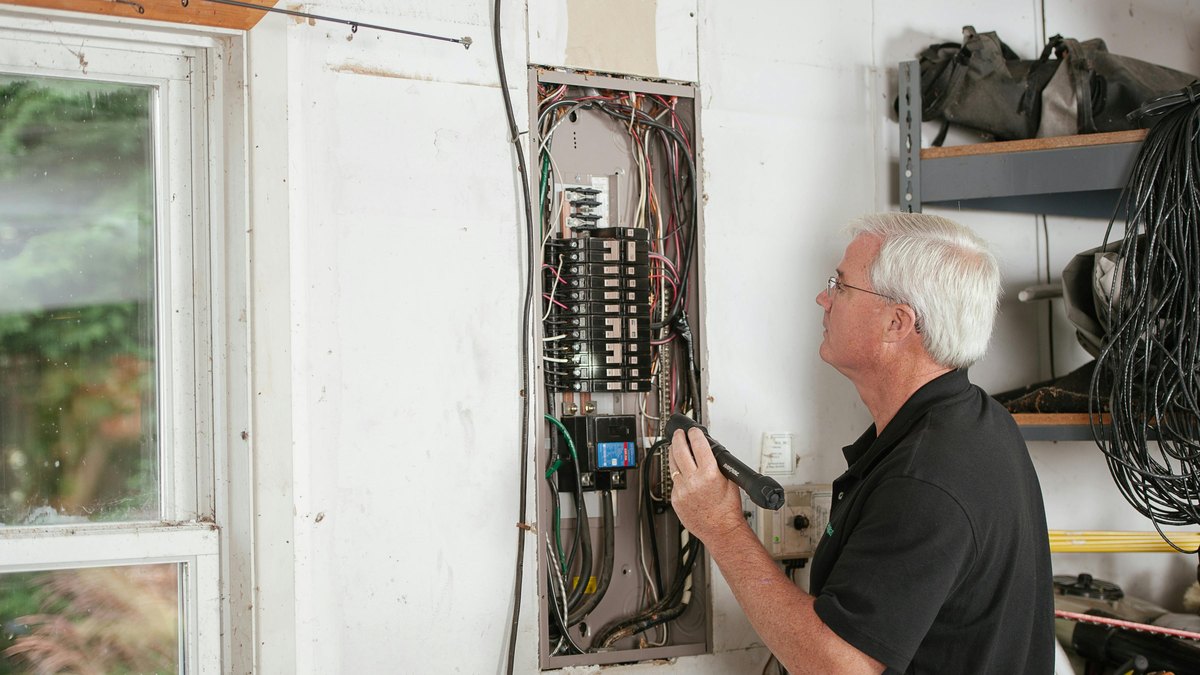
Get the outdoor and exposed wiring inspected. Security lights, garden outlets, water-heater connections, and any wiring that runs outside or through a damp space should be checked for cracked insulation, corrosion, and loose or exposed conductors before the rain gets to work on them. Adding GFCI protection and proper weatherproof covers where they are missing is routine wiring installation work.
And if your home has ever taken on water near outlets, the panel, or wiring, have those circuits inspected before you rely on them again, even if they seem to work. Water that has reached wiring can leave damage you cannot see.
After a storm or flood
A quick word on the other side of the season. If flooding has reached any outlets, the panel, or wiring, do not switch those circuits back on yourself, and do not stand in water to reach the panel. Keep the power off to the affected area and have an electrician inspect it first. Same goes for any outlet or fixture that got soaked. Dry is not the same as safe, and a proper check is cheaper than a fire or a shock.
The takeaway
Before the rainy season, do the easy things yourself: test every GFCI, check that outdoor outlets are weatherproofed and undamaged, learn where your main breaker is, and unplug electronics when storms come. Then have an electrician handle the rest before the weather turns, surge protection at the panel, a sound earth, and an inspection of the outdoor and exposed wiring. A short checklist now is far cheaper than the appliances, or the danger, a wet season can bring to a home that was not ready for it.
Related reading
- Protecting your electrics through hurricane season for the bigger storm-season picture.
- Water and electricity: hazards around the home for where rain and power meet indoors and out.
- Surge protection: whole-home vs power strips for the lightning and surge layer.
- Wiring installations to add GFCIs, weatherproof covers, and sound outdoor wiring.
What should I check myself before the rainy season?
Test every GFCI outlet by pressing its test button, check that outdoor outlets have weatherproof covers and are not cracked or rusted, learn where your main breaker is and how to switch it off, and plan to unplug electronics when storms come. These cost little or nothing and are your first line of defence in wet weather.
How do I know if my outdoor outlets are ready for rain?
Every outdoor outlet should have a weatherproof cover, ideally an in-use bubble cover that keeps rain out even with a cord plugged in. Look for cracked covers, missing screws, or outlets open to the weather. An outlet that has taken hard rain can be damaged inside even if it looks fine, so have any that buzz, spark, or show rust checked.
Do I need surge protection for the rainy season?
It helps a great deal. The wet season brings lightning and switching surges that can damage electronics and appliances. A whole-home surge protector at the panel knocks down the big hits and protects hard-wired equipment, and point-of-use strips guard sensitive electronics. Both rely on a sound earth to work.
Why does earthing matter before the rainy season?
Because surge protection and shock protection both depend on a sound earth, and damp, salt air and time corrode earth connections. If the earth has degraded, your surge protectors and GFCIs are working with less protection than you think. Having it checked before the season confirms the foundation everything else relies on.
What should I do if floodwater reaches my outlets or panel?
Do not switch the affected circuits back on yourself, and never stand in water to reach the panel. Keep the power off to the flooded area, and if you can safely reach a dry main breaker, cut it. Have an electrician inspect any circuits, outlets or wiring that got wet before they are used again.
Is a soaked outlet safe once it dries out?
Not necessarily. Water that has reached an outlet or wiring can leave corrosion and damage you cannot see, even after everything looks dry. Dry is not the same as safe. Have any outlet, fixture or circuit that was soaked inspected before relying on it, since a check is far cheaper than a fire or a shock.
The next step
The time to get your electrics ready for the rain is before it starts, not during the first big storm. Get a free quote or message us, and we will run through the checklist that needs a professional: surge protection, earthing, GFCIs, and your outdoor wiring, so your home is ready for the season.