

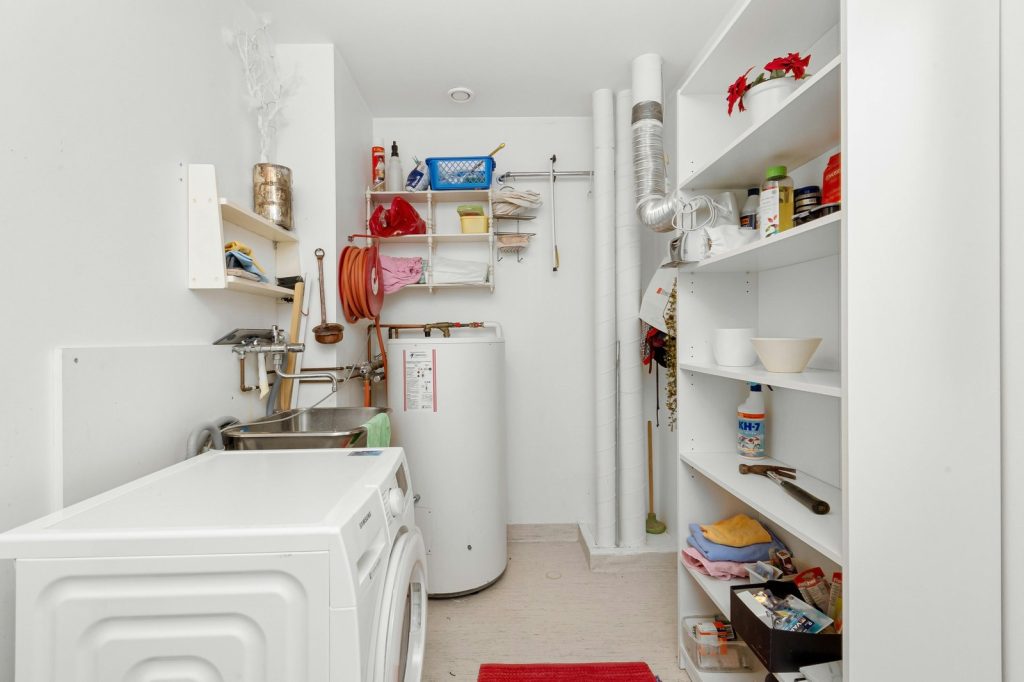
Like its cousin the air conditioner, an electric water heater wants its own dedicated circuit, sized correctly and run properly. But it plays by a different rule, and getting that rule wrong leaves you with under-sized wire heating up behind the wall. So here is how a water heater circuit is actually sized.
Start with two numbers on the label
Every electric water heater has its wattage and voltage printed on it. Divide the watts by the volts and you get the running current in amps. A common tank heater is 4500 watts at 240 volts, which works out to about 18.75 amps.
That is not the whole story, though, because of the rule that makes water heaters different.
The continuous-load rule
A water heater is what the electrical code calls a continuous load. It cycles on and off for hours to hold the tank at temperature, so it can run for long stretches. For loads like that, the code says you size the circuit to 125 percent of the running current, giving it headroom so nothing runs at its limit for hours on end.
So take that 18.75 amps and multiply by 1.25, and you get about 23.4 amps. That is the number the circuit has to be built around. This is the opposite of the air conditioner trick we described in what size wire and breaker does an air conditioner need? Here there is no allowance for the breaker to be bigger than the wire; the wire and breaker are sized together, the normal way, just bumped up for the continuous load.
The common tank heater
For that typical 4500-watt, 240-volt tank, the 23.4 amp figure lands you on a 30-amp double-pole breaker with 10-gauge copper wire, on its own dedicated circuit. The double pole is because it is a 240-volt load, using both legs of the supply. Many electricians fit 10-gauge as standard for tank heaters anyway, so the wiring can handle a slightly larger unit if it is ever swapped.
The dedicated circuit part is not optional. A water heater should not share its breaker with outlets, lights or anything else.
Small 120-volt units
Plenty of homes here use a smaller point-of-use heater rather than a big tank. A 1500-watt unit at 120 volts draws about 12.5 amps. Apply the same 125 percent rule and you are at roughly 16 amps, which a 20-amp breaker on 12-gauge wire covers comfortably, again on its own circuit. Always check the unit’s own rating, because that is what the sizing is built on.
The tankless warning
Whole-house electric tankless, or on-demand, heaters are a different animal entirely. Because they heat water instantly rather than keeping a tank warm, they pull an enormous amount of current while running, often far more than a tank heater, sometimes needing several large breakers and very heavy wire. It is common for a whole-house electric tankless unit to need more capacity than an older panel or service can give, which means a panel or service upgrade before it can even be fitted. If you are eyeing one, get the electrical side assessed before you buy, not after.
A Jamaican aside: solar water heating
Worth mentioning, because we are in the right country for it. Heating water is one of the bigger loads on a home, and in Jamaica’s sun a solar water heater can take that load off your electricity bill almost entirely. If you are replacing a water heater anyway, it is at least worth pricing the solar option against another electric one.
Leave the 240-volt work to an electrician
A water heater circuit, especially a 240-volt one, is electrician work. The dedicated run, the right wire gauge, the double-pole breaker and the connections all need to be done to code, and the water heating load is significant enough that mistakes get hot. In Jamaica that work should be inspected. We handle it as part of wiring and installations.
Related reading
- What size wire and breaker does an air conditioner need? for the sister question, and why AC plays by a different rule.
- Do you need to upgrade your panel before solar? because a big tankless heater can trigger the same capacity question.
- Wiring and installations for running a dedicated, code-correct water heater circuit.
What size breaker and wire does a 4500-watt water heater need?
A typical 4500-watt, 240-volt tank heater draws about 18.75 amps, and with the continuous-load rule that becomes about 23.4 amps. That lands on a 30-amp double-pole breaker with 10-gauge copper wire, on its own dedicated circuit. Always confirm against the unit’s own label.
Why do you size a water heater to 125 percent of its current?
Because a water heater is a continuous load, cycling on and off for hours to hold the tank temperature. The electrical code requires continuous loads to be sized at 125 percent of their running current so nothing runs at its absolute limit for long periods, which adds a safety margin.
Does a water heater need its own circuit?
Yes. A water heater must be on its own dedicated circuit, not sharing a breaker with outlets, lights or other appliances. This is a code requirement for continuous-load appliances and is important for safe operation.
What about a small 120-volt water heater?
A small point-of-use heater, for example 1500 watts at 120 volts, draws about 12.5 amps, which becomes roughly 16 amps with the continuous-load rule. A 20-amp breaker on 12-gauge wire on its own circuit covers that. Check the unit’s rating, since that is what the sizing is based on.
Why might a tankless water heater need a panel upgrade?
Whole-house electric tankless heaters heat water instantly and pull a very large current while running, often more than an older panel or service can supply. They can need several large breakers and heavy wire, and sometimes a panel or service upgrade before they can be fitted. Get the electrical side assessed before buying one.
Should I consider a solar water heater instead?
In Jamaica’s sun it is well worth considering. Heating water is one of the larger loads in a home, and a solar water heater can remove most of that from your electricity bill. If you are replacing a water heater anyway, it is worth pricing the solar option against another electric one.
The next step
Whether you are fitting a new water heater or wondering if your current circuit is right, it is worth getting the wiring checked. Get a free quote or message us, and we will size and run a proper dedicated circuit to the unit’s rating, to code, and tell you if a tankless choice would need more than your panel can give.