

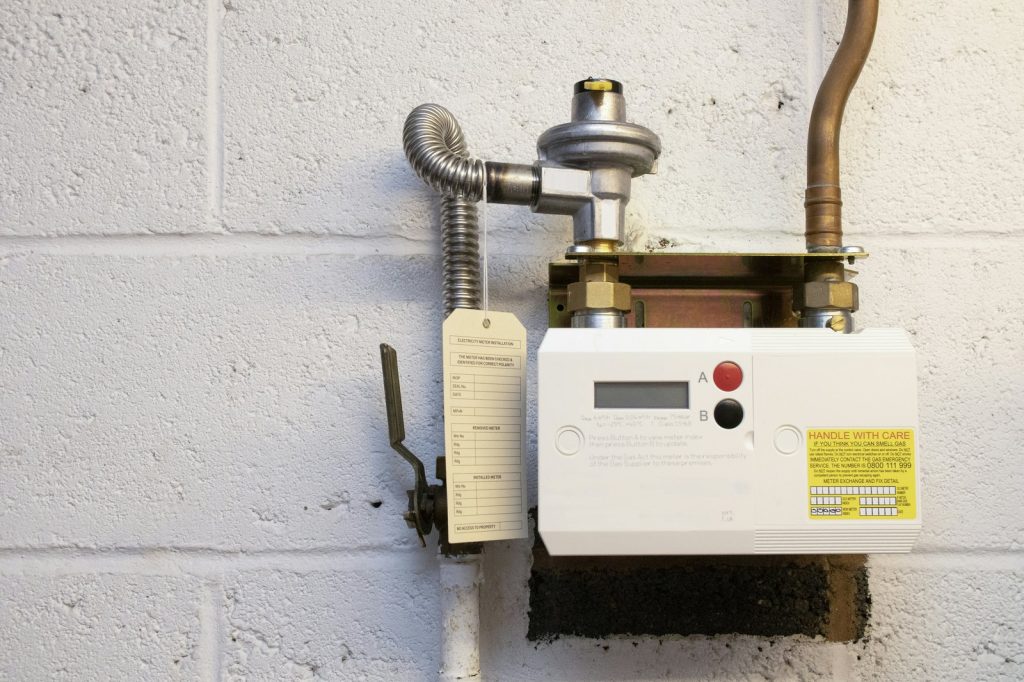
Electric tankless water heaters sell themselves on a great promise: endless hot water, no bulky tank, nothing kept warm all day. What the showroom rarely mentions is the electrical supply one of these demands. This is the single appliance where the wiring can cost as much as the heater itself, and where buying one can force a panel or service upgrade you never budgeted for. So before you fall for the brochure, here is what an electric tankless unit actually needs behind the wall.
First, which kind are we talking about?
“Tankless” covers two very different animals, and lumping them together is where the confusion starts.
A small point-of-use unit heats water for a single tap, like a bathroom basin or a kitchen sink. These are modest, often run on a 120-volt circuit, and need only a 15 or 20 amp breaker. Electrically they are no drama.
A whole-house electric tankless unit, the kind meant to supply showers and the whole home at once, is a different beast entirely. To heat water instantly as it flows, it has to dump a huge amount of power into the water in real time, and that means a very large electrical draw while it runs. This is the one to take seriously.
The same rule, much bigger numbers
A water heater is a continuous load, so the same 125 percent rule applies as with a tank heater: you size the circuit to 1.25 times the running current. The difference is the size of the numbers.
Work it out the same way, watts divided by volts, then times 1.25. An 18 kilowatt unit at 240 volts pulls about 75 amps, which becomes roughly 94 amps once you apply the rule, landing on a 100 amp requirement. A 24 kilowatt unit pulls about 100 amps. A 27 kilowatt unit pulls around 112 amps, which after the rule needs about 140, so a 150 amp supply. These are whole-service-sized numbers for a single appliance.
Why it needs several breakers, not one
You cannot run 100-plus amps through a single household breaker and wire, so whole-house electric tankless units split the load across several dedicated circuits. The unit has multiple heating elements inside, and each gets its own breaker and its own heavy wire.
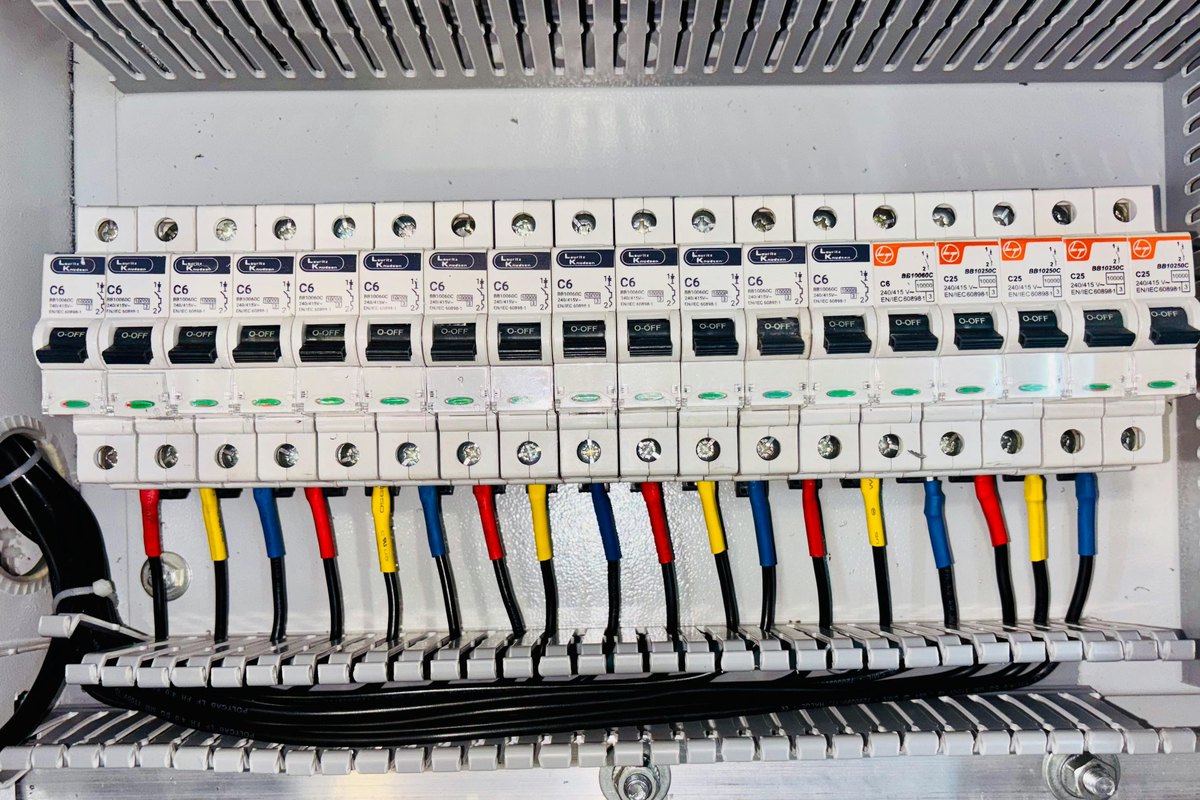
A 27 kilowatt unit, for example, commonly needs three separate 240-volt circuits, each on a 40 amp double-pole breaker with its own 8-gauge copper wire. Larger units use even heavier wire, 6 or even 4 gauge. So when you open the panel after a proper install, you do not see one breaker for the heater; you see a cluster of them, all feeding the same unit. Every one of those circuits has to be run, and that is real copper and real labour.
The part that catches people: your whole service
Here is where the dream meets the panel. A 27 kilowatt unit wanting around 140 amps of capacity is asking for almost as much as some entire homes are supplied. And a panel or service should not run continuously above about 80 percent of its rating, so a 150 amp service only gives you about 120 usable amps. A big tankless unit can swallow that on its own, leaving nothing for the rest of the house.
In practice, that means whole-house electric tankless heaters often need a 200 amp service, and a smaller existing service frequently has to be upgraded before one can even be fitted. That is the same capacity question we raise around solar and big appliances in signs your breaker panel needs upgrading. It is not a detail to sort out later; it decides whether the heater can go in at all.
The hidden cost
Add it up and the pattern is clear. A whole-house electric tankless unit can need several heavy circuits, a lot of thick copper, and sometimes a service upgrade. The electrical work behind one of these can easily rival, and sometimes beat, the price of the heater on the shelf. People budget for the unit and get blindsided by the install.
None of this means do not buy one. It means get the electrical side priced and your panel assessed before you commit, not after the box is sitting in your hallway. The manufacturer’s spec sheet is the authority here: it lists exactly how many breakers, what size, and what wire the specific model needs, and a good electrician sizes the install from that, not a generic chart.
Worth weighing the alternatives
Because the electrical demand is so steep, electric tankless is one of those choices where the alternatives deserve a fair look, especially in Jamaica.
A standard tank heater is far lighter on the electrics, usually a single 30 amp circuit, as we covered in what size wire and breaker does a water heater need? A gas tankless unit gives you the endless-hot-water benefit without the enormous electrical draw. And in our sun, a solar water heater can take most of the water-heating load off your bill entirely. The instant-hot-water appeal of electric tankless is real, but so is the power it pulls, and sometimes a different route gets you most of the benefit for a fraction of the electrical headache.
Leave this one to a professional
This should go without saying at these power levels. Multiple high-current 240-volt circuits, heavy copper, possibly a service upgrade, all of it has to be done to code and inspected. This is not a weekend project, and an undersized or sloppy job on a load this big is a serious fire risk. We handle the circuits and any panel work in panel and breaker work, and you can read more about how these units draw power under tankless water heating.
Related reading
- What size wire and breaker does a water heater need? for the simpler tank-heater case.
- Signs your breaker panel needs upgrading because a big tankless unit often triggers exactly that.
- Panel and breaker work for the circuits and service capacity a tankless unit needs.
What size breaker does an electric tankless water heater need?
It depends heavily on the unit. Small point-of-use units run on a 15 or 20 amp breaker. Whole-house electric tankless units are far larger: an 18 kilowatt unit needs about 100 amps of capacity, a 24 kilowatt about 125 amps, and a 27 kilowatt around 150 amps, usually split across several double-pole breakers. Always size from the manufacturer’s spec sheet.
Why does a tankless water heater need multiple breakers?
A single household breaker and wire cannot carry the 100-plus amps a whole-house electric tankless unit draws. The unit has several heating elements, and each gets its own dedicated 240-volt circuit, breaker and heavy wire. A 27 kilowatt unit, for example, often needs three separate 40 amp circuits, each on its own 8-gauge copper wire.
Do I need a 200 amp service for a tankless water heater?
For a whole-house electric tankless unit, often yes. A service should not run continuously above about 80 percent of its rating, so a large unit drawing 140 amps cannot sit on a 150 amp service that only gives about 120 usable amps. These units commonly need a 200 amp service, and a smaller one usually has to be upgraded first.
Can a small point-of-use tankless heater use a normal circuit?
Largely, yes. Small point-of-use units that serve a single tap often run on a 120-volt circuit with a 15 or 20 amp breaker, which is straightforward. It is the whole-house units that bring the heavy electrical requirements, so the size and purpose of the unit matters a lot.
Why can the wiring cost as much as the tankless heater?
Because a whole-house electric unit needs several heavy circuits, a lot of thick copper, and sometimes a panel or service upgrade. All of that is real material and labour. People budget for the heater and get caught out by the install, so it is wise to price the electrical work and have your panel assessed before buying.
Is a tankless water heater worth it given the electrical demand?
It can be, but weigh the alternatives. A standard tank heater is far lighter on the electrics, a gas tankless gives endless hot water without the huge draw, and in Jamaica a solar water heater can remove most of the load from your bill. The instant-hot-water appeal is real, but so is the power an electric tankless pulls.
The next step
If you are weighing up an electric tankless heater, find out what it would take electrically before you buy, not after. Get a free quote or message us with the model you are considering, and we will check whether your panel and service can carry it, price the circuits honestly, and tell you if a tank, gas or solar option would save you a costly upgrade.