

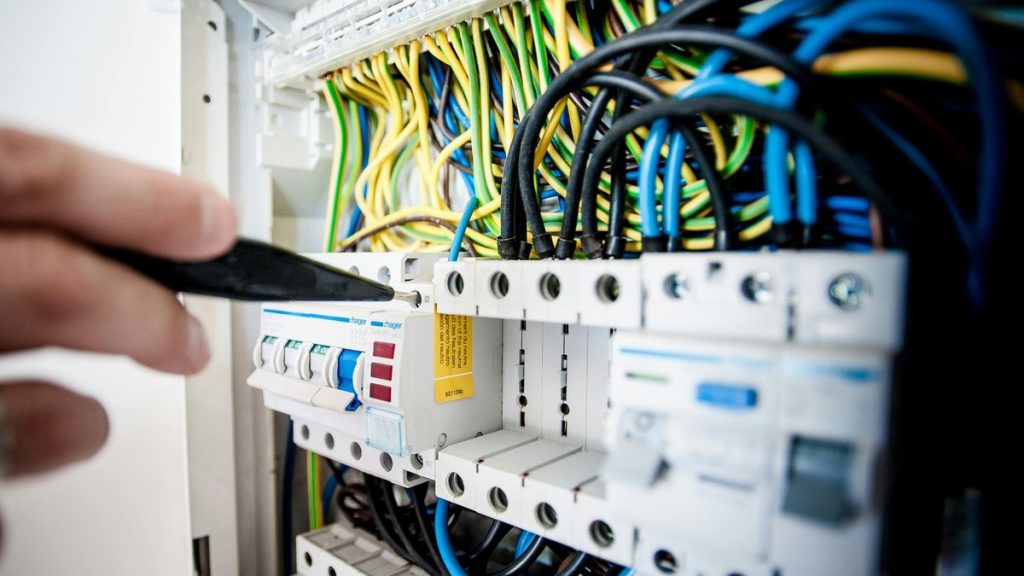
When the power goes and your backup kicks in by itself, something has to make that handover happen. That something is an automatic transfer switch. It is one of those quiet parts most people never think about, but it is doing an important job, and where a generator is involved, it is a genuine safety device. Here is what it is and why it matters.
What it does
An automatic transfer switch, or ATS, is the device that connects your home to either the grid or your backup power, and decides which one feeds the house. In normal times it passes the grid straight through. When it senses the grid has failed, it switches your home over to the backup source, a generator or a battery, on its own. When the grid comes back and stays steady, it switches you back and, with a generator, shuts it down again. No one has to flip anything. You can read the general definition on the Wikipedia transfer switch page.
How it works with a generator
With a standby generator, the ATS is the brain of the setup. It watches the grid’s voltage all the time. The moment that drops out, it signals the generator to start, gives the engine a few seconds to warm up and settle, then transfers the house onto generator power. The whole thing usually takes around 10 to 30 seconds from blackout to power back. When the grid returns, it moves you back across and tells the generator to stop. A manual transfer switch does the same job but needs you to start the generator and flip it by hand, which is cheaper but means getting up and doing it yourself every time.
Why it is a safety device, not just a convenience
Here is the part that really matters. A transfer switch, automatic or manual, stops your generator from pushing power back into the JPS lines. That backfeed is genuinely dangerous. It can put live voltage onto lines that JPS crews believe are dead, and it can injure or kill the people working to restore your power. It is also a fire risk to your own home. A proper transfer switch is “break-before-make,” meaning it fully disconnects from the grid before it connects the generator, so the two can never be joined. This is exactly why you must never wire a generator straight into your house or run it through a homemade cord into a wall socket. We touch on this in generator vs solar battery backup for outages.
What about solar and batteries?
If your backup is a solar battery system, the transfer function is usually built into the hybrid inverter rather than being a separate box. The inverter does the same job automatically, disconnecting from the grid in an outage and running your home from the battery, which is also what keeps it from backfeeding, a feature called anti-islanding. We explain that side in what happens to solar power during an outage. Either way, the principle is the same: a safe, automatic handover with no risk of backfeed.
The takeaway
An automatic transfer switch is the piece that makes backup power hands-free, flipping your home to the generator or battery when the grid fails and back when it returns. More importantly, it is the safety barrier that stops your backup from feeding the grid and endangering line workers. Whether it is a standalone switch for a generator or built into a solar inverter, it is not an optional extra; it is how backup power is done safely.
Related reading
- Generator vs solar battery backup for outages for choosing your backup source.
- What happens to solar power during an outage? for how a solar inverter handles the same job.
- How to keep your fridge running through a long outage for putting backup to work.
- Panel and breaker work to fit a transfer switch safely at your panel.
What is an automatic transfer switch?
It is the device that connects your home to either the grid or your backup power and decides which one feeds the house. In normal times it passes the grid through. When it senses the grid has failed, it switches the house over to a generator or battery on its own, then switches back when the grid returns, with no one flipping anything.
How does an automatic transfer switch work with a generator?
It constantly watches the grid voltage. When the grid drops, it signals the generator to start, waits a few seconds for the engine to warm up and settle, then transfers the house onto generator power, usually within 10 to 30 seconds. When the grid returns and stays steady, it moves you back and shuts the generator down.
What is the difference between an automatic and a manual transfer switch?
An automatic switch does everything on its own, starting the generator and transferring the load with no input from you. A manual switch does the same job but needs you to start the generator and flip it by hand. Manual is cheaper, but it means getting up and switching over yourself every time the power goes.
Why is a transfer switch a safety device?
Because it stops your generator from sending power back into the JPS lines. That backfeed can put live voltage onto lines crews believe are dead, injuring or killing them, and it is a fire risk to your home. A proper switch is break-before-make, fully disconnecting from the grid before connecting the generator so the two never join.
Can I just plug a generator into a wall socket?
No. Wiring a generator straight into your house or running it through a homemade cord into a socket causes dangerous backfeed and is a serious fire and electrocution risk. A generator must connect through a proper transfer switch installed by an electrician, which safely isolates your home from the grid before the generator takes over.
Does a solar battery system need a transfer switch?
The transfer function is usually built into the hybrid inverter rather than a separate box. The inverter automatically disconnects from the grid in an outage and runs your home from the battery, a feature called anti-islanding that also prevents backfeed. The principle is the same: a safe, automatic handover with no risk to the grid.
The next step
Setting up a generator or battery backup? Get a free quote or message us, and we will fit the right transfer switch so your backup comes on safely and automatically, with no risk to you or the line crews.