

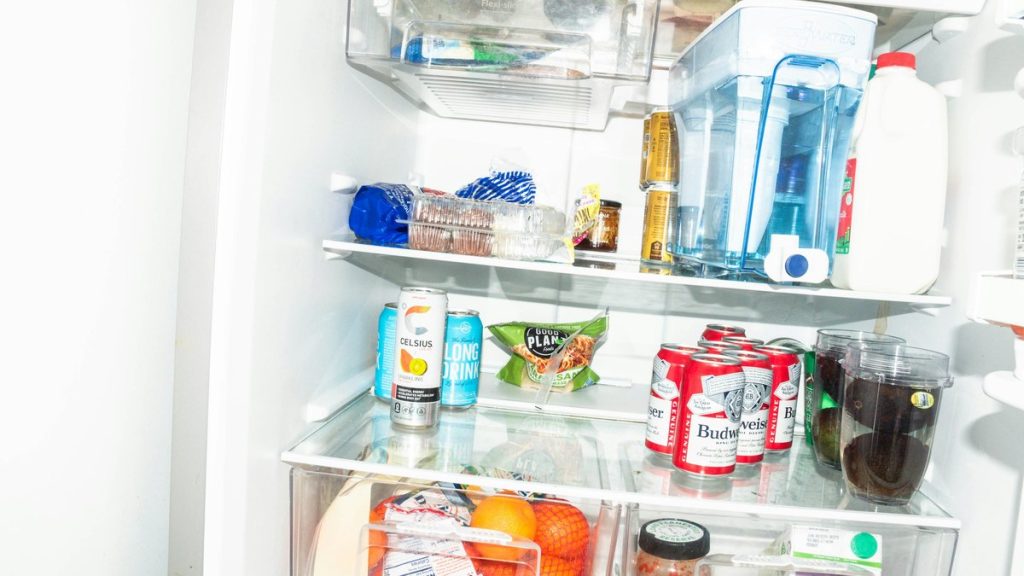
A short outage is no threat to your fridge. A long one is a different story, and after a storm it can stretch to a day or more, long enough to spoil a fridge full of food and a freezer full of meat. The good news is that you can buy yourself a lot of free time before you need any backup power at all, and then there are a couple of clear ways to keep the fridge actually running when the outage drags on. Here is how to handle both.
First, know your clock
Before you spend a cent, understand how long you already have. A closed fridge keeps food safe for about four hours after the power goes. A full freezer holds for around 48 hours, or about 24 if it is only half full. The danger line is food sitting above 40 degrees Fahrenheit for more than two hours, which is when perishables like meat, dairy and eggs start to become unsafe. The official guidance is on the FoodSafety.gov power outage page. Those hours are your buffer, and a few simple habits stretch them a long way.
Stretch the cold for free
The single most important rule is to keep the door shut. Every time you open it, cold air spills out and warm air rushes in, and you burn through your buffer fast. Decide what you need, grab it quickly, and close up.
A full fridge or freezer also holds its cold far longer than an empty one, because all that chilled food and drink acts like a store of cold. If yours is half empty, fill the gaps with bottles of water. They chill and freeze while the power is on, then help hold the temperature down once it is off. And if you know a storm is coming, turn both the fridge and freezer to their coldest settings a day ahead, so they start the outage as cold as possible. None of this costs anything, and together it can carry your food safely through a surprisingly long cut.
Keep it running with a battery
When the outage is going to outlast that buffer, you have to actually power the fridge, and a battery is the easiest way to do it. A fridge is a light, on-and-off load, so even a modest battery can run one for many hours, and the battery kicks in by itself the instant the power drops, so the fridge never even notices. It is silent and gives off no fumes, so it is safe sitting indoors next to the kitchen.
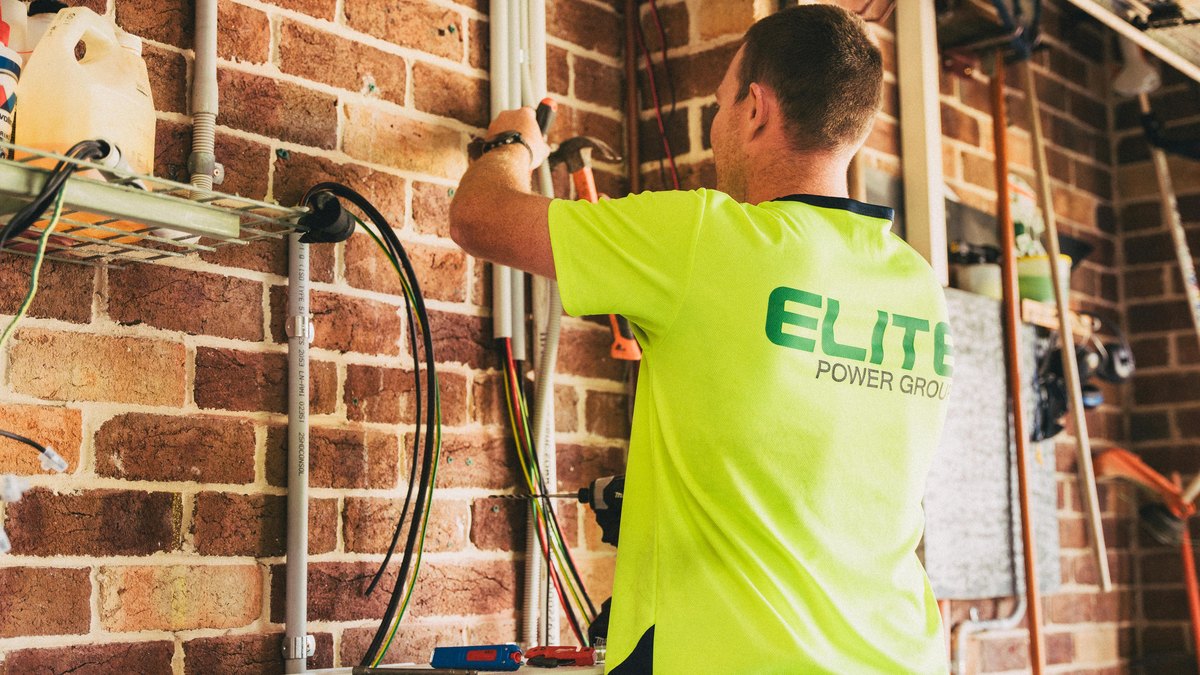
The real magic is pairing the battery with solar. Your panels recharge it through the day, so the fridge can keep running outage after outage without you doing a thing, as we explain in what happens to solar power during an outage. We size a fridge-and-essentials system in what size solar system runs a fridge, fans and lights.
Keep it running with a generator
A generator will also do the job, especially for a long outage where you want endurance. A fridge needs a jolt of power to start its compressor, so a portable generator in the 2000 to 3000 watt range comfortably handles a fridge plus a few other essentials. You do not need to run it nonstop, though. A handy trick is to run it for an hour or two every four to six hours, which pulls the fridge temperature back down and then lets it coast, saving a lot of fuel. Just remember the hard safety rule: a generator must run outdoors in open air, never inside or in a garage, because of carbon monoxide. We compare the two approaches in generator vs solar battery backup for outages.
The takeaway
Keeping a fridge alive through a long outage is two jobs. First, stretch the free buffer: keep the door shut, keep the fridge full, and pre-cool before a storm, and you often get most of a day for nothing. Second, when the outage outlasts that, power the fridge with a battery, ideally recharged by solar, or run a generator on a sensible cycle. Do both and a long outage stops being a fridge full of spoiled food and becomes a minor inconvenience.
Related reading
- What size solar system runs a fridge, fans and lights? for sizing backup around the fridge.
- Generator vs solar battery backup for outages for choosing between the two.
- Battery backup sizing: keeping the essentials on through an outage for sizing the battery.
- Battery and inverter support to set up automatic backup that keeps the fridge cold.
How long will my fridge stay cold without power?
A closed fridge keeps food safe for about four hours, and a full freezer for around 48 hours, or about 24 if half full. The danger line is food sitting above 40 degrees Fahrenheit for more than two hours, when perishables like meat, dairy and eggs become unsafe. Keeping the door shut is what makes those hours last.
How do I make my fridge hold cold longer in an outage?
Keep the door shut as much as possible, since every opening lets cold out and warm air in. Keep the fridge and freezer full, using bottles of water to fill empty space, because a full unit holds cold far longer. And if a storm is coming, turn both to their coldest settings a day ahead so they start the outage as cold as possible.
Can a battery keep my fridge running?
Yes, easily. A fridge is a light, intermittent load, so even a modest battery can run one for many hours, and it switches on automatically the moment the power drops. A battery is silent and fume-free, so it is safe indoors. Paired with solar, your panels recharge it each day so the fridge keeps running outage after outage.
What size generator do I need for a fridge?
A fridge needs a surge of power to start its compressor, so a portable generator in the 2000 to 3000 watt range comfortably runs a fridge plus a few other essentials. You do not need to run it constantly; an hour or two every four to six hours pulls the temperature back down and saves fuel between runs.
Is it safe to run a generator for my fridge?
Only outdoors in open air. A generator must never run inside, in a garage or under the house, because its exhaust contains carbon monoxide, which is deadly. Place it well away from windows and doors, and never wire it into your home without a proper transfer switch. A battery avoids these hazards entirely.
Should I open the fridge to check the food during an outage?
As little as possible. Every time you open the door you lose cold air and shorten the safe window. Decide what you need before opening, take it quickly and close up. If you have a thermometer, check that the fridge stays below 40 degrees Fahrenheit; food held above that for more than two hours should be treated as unsafe.
The next step
Tired of throwing out food after every long outage? Get a free quote or message us, and we will set up automatic battery backup, recharged by solar, that keeps your fridge cold no matter how long the power is gone.