

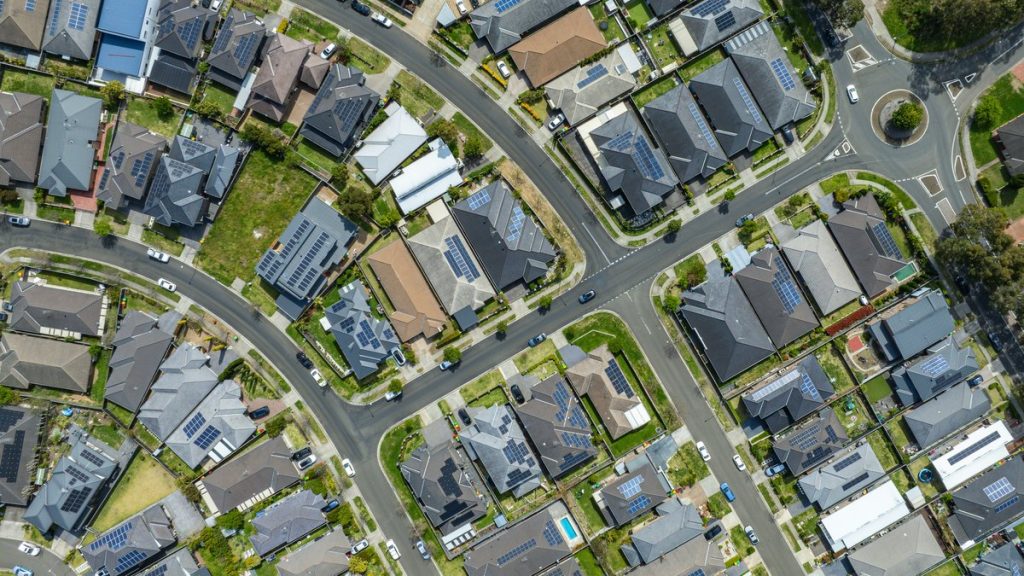
“Microgrid” gets thrown around as a futuristic buzzword, which is a shame, because the idea is genuinely useful and a lot closer to home than it sounds. If you have solar and a battery, you are already running a small one. Here is what a microgrid actually is, why it matters in a place with our outages, and where this is all heading.
What a microgrid actually is
A microgrid is a small electricity system that can either work alongside the main grid or cut loose and run on its own. That second part is the clever bit. When the main grid fails, a microgrid can disconnect, or “island,” and keep powering itself from its own generation and storage. It can be as big as a whole neighbourhood or as small as a single house. You can read the formal definition on the Wikipedia microgrid page.
Your solar-and-battery home is already one
Here is the part most people miss. A home with solar panels, a battery and a hybrid inverter is, in effect, a one-house microgrid. When JPS goes down, the hybrid inverter disconnects you from the grid, keeps your circuits alive from the battery and panels, and stops any power flowing back out to the lines, the safety feature we cover in what happens to solar power during an outage. That is exactly what a microgrid does, just at the scale of your own walls. The technology that makes it work is the hybrid inverter, which we explain in what is a hybrid inverter and do you need one.
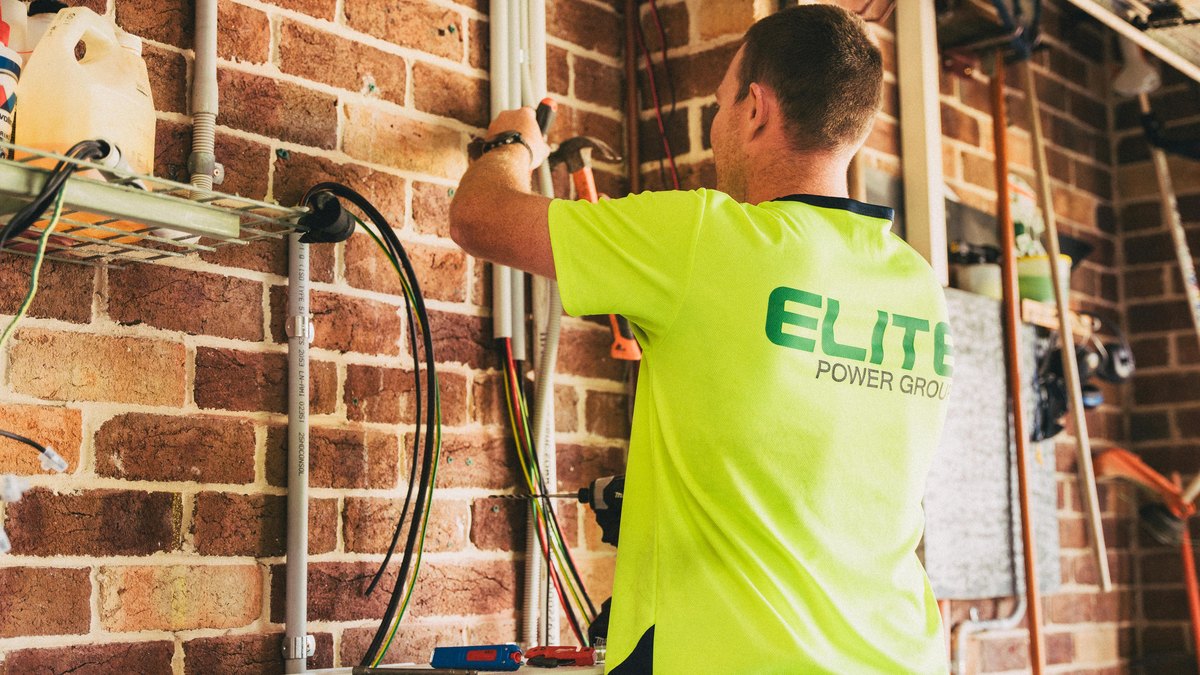
So the future is not some far-off technology you are waiting for. The building block is already here, sitting on roofs across the island, quietly keeping homes running through outages that leave everyone else in the dark.
Why this fits Jamaica so well
Few places have a stronger case for this than we do. Our grid goes down often, and a hurricane can take it out for days at a time. A home that can island rides through all of that on its own, which is the resilience we get into in protecting your electrics through hurricane season. Every home that adds solar and storage is one more household that does not go dark when the grid does, and one less load on a strained network. The more homes that do it, the more resilient the whole picture becomes.
The community step
The bigger version of this idea is the community microgrid: a shared solar array and battery storage serving a cluster of homes, able to keep a whole neighbourhood powered when the main grid is down. Overseas, these already serve thousands of homes and have kept communities running through disasters. Here, that scale is more of a direction than a product you can buy today; it depends on policy, utilities and investment beyond a single household. It is worth knowing about as where things are heading, while being honest that the practical move right now is at the level of your own home.
The takeaway
A microgrid is just a power system that can stand on its own when it has to, and a solar-and-battery home is the smallest version of one. You do not need to wait for the future to arrive; you can build your slice of it now, with panels, a battery and a hybrid inverter that keeps your home alive when the grid is not. Community-scale microgrids may follow, but the resilient, self-sufficient home is already real, and in a place that loses power as often as we do, that is the part worth acting on.
Related reading
- What is a hybrid inverter and do you need one? for the technology behind a home microgrid.
- What happens to solar power during an outage? for how islanding works.
- Protecting your electrics through hurricane season for why resilience matters here.
- Battery and inverter support to build your own home microgrid.
What is a microgrid?
A microgrid is a small electricity system that can either work alongside the main grid or disconnect and run entirely on its own. When the main grid fails, it can island, keeping itself powered from its own generation and storage. It can be as large as a neighbourhood or as small as a single house.
Is my solar-and-battery home a microgrid?
Effectively, yes. A home with solar panels, a battery and a hybrid inverter is a one-house microgrid. When the grid goes down, the hybrid inverter disconnects you, keeps your circuits alive from the battery and panels, and stops power flowing back to the lines. That is exactly what a microgrid does, at the scale of your home.
What technology makes a home microgrid work?
The hybrid inverter. It manages solar, battery and grid together, and crucially it can island your home during an outage, running it from stored and generated power while safely isolating from the grid. Without a hybrid inverter and a battery, a grid-tied system simply shuts off when the grid fails.
Why are microgrids a good fit for Jamaica?
Because our grid goes down often, and a hurricane can take it out for days. A home that can island rides through all of that on its own. Every home that adds solar and storage is one more household that stays powered when the grid does not, and one less load on a strained network during a crisis.
What is a community microgrid?
It is a shared solar array and battery storage serving a cluster of homes, able to keep a whole neighbourhood powered when the main grid is down. Overseas these serve thousands of homes. In Jamaica that scale is more a direction of travel than something you can buy today, since it depends on policy, utilities and larger investment.
Do I need to wait for the future to benefit?
No. The building block already exists. You can build your own home microgrid now with panels, a battery and a hybrid inverter that keeps your home alive when the grid is not. Community-scale systems may follow, but the resilient, self-sufficient home is real today and is the practical move for a household.
The next step
The future of home energy is something you can start building today. Get a free quote or message us, and we will design a solar-and-battery system that turns your home into its own little grid, ready for the next time JPS goes quiet.