


You have two solar quotes in front of you, one cheaper than the other, and the temptation is to pick the lower number and be done. Resist it for a moment. Two quotes at different prices are almost never selling you the same thing, and the gap between them usually hides the very details that decide whether you are happy in five years. Here is how to lay them side by side and judge them fairly.
Start with system size
Before anything else, check that both quotes are for a similar system size, measured in kilowatts. A cheaper quote for a 4 kilowatt system is not really cheaper than a 5 kilowatt one. It is just smaller. If the sizes differ, you are comparing two different things, so note the size first and read every other number in that light. We cover getting the size right in how to size a solar system for your electricity bill.
Work out the price per watt
Once the sizes are clear, the fairest single number is the price per watt: divide the total price by the system size in watts. That strips out the size difference and lets you compare two systems on the same footing. It is the closest thing to an apples-to-apples figure. But treat it as a starting point, not the verdict, because a rock-bottom price per watt often means corners cut somewhere you cannot see yet.
Look at the actual equipment
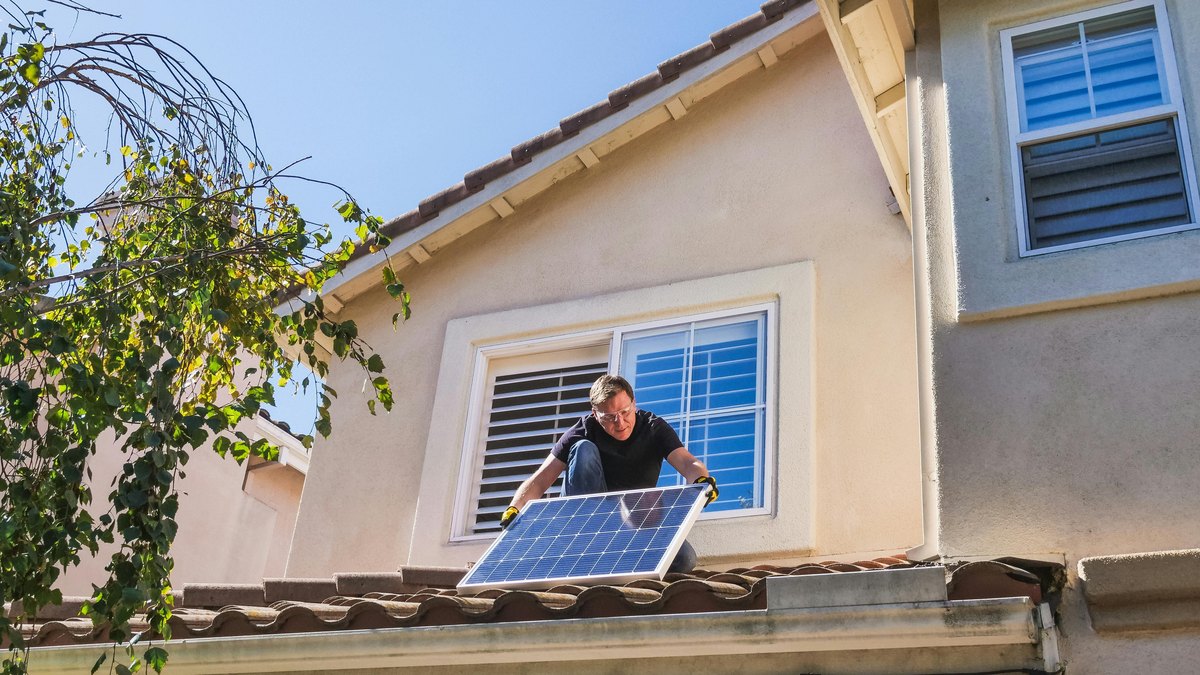
This is where quotes quietly part ways. A proper quote names the brand and model of both the panels and the inverter. If a quote just says “solar panels” with no make or model, that is a flag, because the equipment is the system. Quality varies enormously, and a no-name panel with an orphan warranty is a real risk, as we explain in tier 1 vs cheaper solar panels: does the brand matter. Compare like for like: a cheaper quote on lesser gear is not the bargain it looks.
Compare the warranties, all three
A solar system carries several warranties, and a fair comparison checks each. There is the panel product warranty against defects, the performance warranty on output over time, and, crucially, the installer’s own workmanship warranty on the installation. A long workmanship warranty signals a company confident in its work and likely to be around to honour it. We break these down in solar warranties: panels, inverters and workmanship. Two quotes can look similar on price and differ sharply here.
Separate the battery from the solar
If one quote includes a battery and the other does not, the one with the battery will always look more expensive, even if its solar is identical or better. Ask each installer to break out the solar cost from the battery cost so you can compare the solar-only prices directly, then weigh the battery as its own decision.
The Jamaican details that hide in the gap
A few things specific to here often explain a price difference. Does the quote include the Government Electrical Inspectorate inspection and the JPS net billing paperwork, or are those extra costs waiting down the line? You can see what that process involves on the JPS net billing page. Is the mounting rated to hold through a hurricane, or is it the cheapest rail that passes on a calm day? A quote that quietly leaves these out looks cheaper precisely because it is doing less. Ask both installers exactly what is and is not included.
The takeaway
Comparing solar quotes fairly means making them comparable first: same system size, then price per watt, then the things price hides. Named equipment, all three warranties, the battery separated out, and the full Jamaican scope of work, inspection, approval and hurricane-rated mounting included. Do that and the real value, not just the lowest number, becomes obvious. The cheapest quote and the best quote are often not the same one.
Related reading
- Tier 1 vs cheaper solar panels: does the brand matter? for judging the equipment in a quote.
- Solar warranties: panels, inverters and workmanship for comparing the cover.
- How to size a solar system for your electricity bill for checking the sizes match.
- Solar installation for a quote that spells out the full scope.
How do I compare two solar quotes fairly?
Make them comparable first. Check both are for a similar system size in kilowatts, then work out the price per watt to strip out size differences. After that, compare the things price hides: the named equipment, all three warranties, whether a battery is bundled in, and whether the full scope of work is included. Judge on value, not just the lowest number.
What is price per watt?
It is the total price divided by the system size in watts, and it lets you compare two differently sized systems on the same footing. It is the closest thing to an apples-to-apples figure, but treat it as a starting point, not the verdict, because a very low price per watt often means corners were cut somewhere you cannot see yet.
Why does the equipment brand matter in a quote?
Because the equipment is the system. A proper quote names the brand and model of both the panels and the inverter. If a quote just says ‘solar panels’ with no make or model, that is a flag. Quality varies enormously, and a no-name panel with a warranty from a company you may never reach is a real risk.
Which warranties should I compare?
All three. The panel product warranty covers defects, the performance warranty covers output over time, and the installer’s workmanship warranty covers the installation itself. A long workmanship warranty signals a company confident in its work and likely to still be around to honour it. Two similar-priced quotes can differ sharply here.
How do I compare quotes if one includes a battery?
Separate the costs. A quote with a battery will always look more expensive, even if its solar is identical. Ask each installer to break out the solar cost from the battery cost, compare the solar-only prices directly, and then weigh the battery as its own decision rather than letting it distort the comparison.
What hidden costs should I watch for in Jamaica?
Check whether the quote includes the Government Electrical Inspectorate inspection and the JPS net billing paperwork, or whether those are extra later. Check too that the mounting is rated to hold through a hurricane. A quote that leaves these out looks cheaper because it is doing less, so ask exactly what is and is not included.
The next step
Want a quote that spells out the size, the equipment, the warranties and the full scope, with nothing hidden? Get a free quote or message us, and we will give you a clear breakdown you can compare against anyone.