

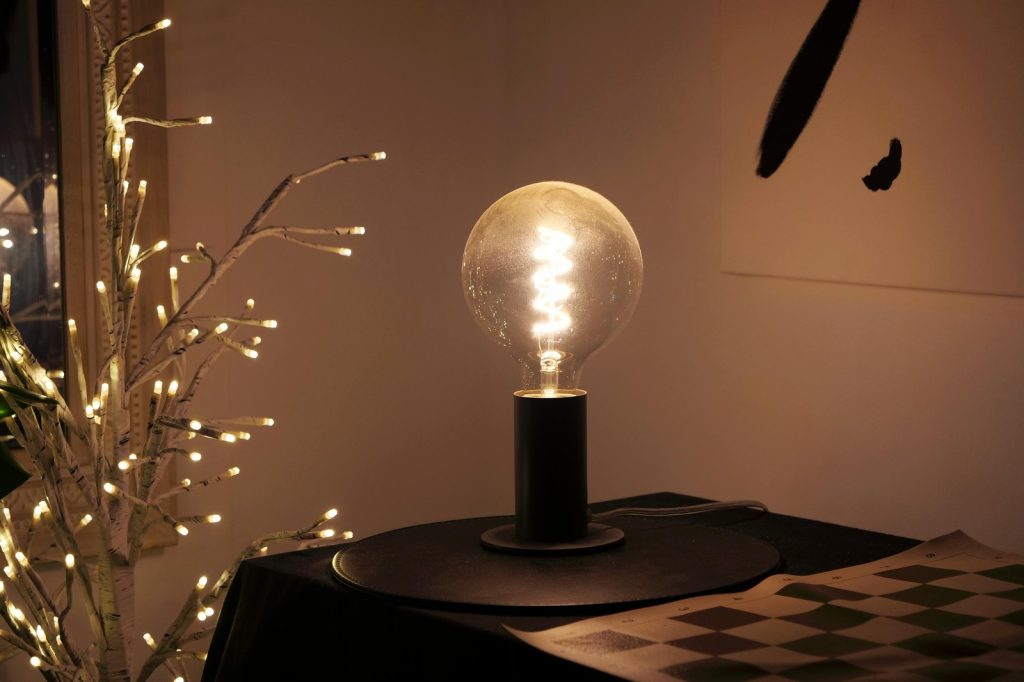
“Switch to LED” is the most common money-saving tip going, and it is good advice. The problem is that most people do it in a way that barely moves their bill. They either change every bulb in the house and wonder why the savings are tiny, or they grab the cheapest LEDs on the shelf and end up with flickering, dead bulbs and a room that feels like a morgue. Done right, LED lighting is the easiest win on your JPS bill. Done carelessly, it is a lot of effort for nothing. Here is how to do it right.
The maths, in plain terms
An old incandescent bulb pulls about 60 watts to light a room. The LED that gives you the same brightness pulls around 9. That is roughly 85 percent less power for the exact same light, and the LED lasts many times longer before it dies, so you buy far fewer bulbs over the years too.
But here is the part that decides whether your bill actually changes: the saving on any single bulb is the power you save, multiplied by the hours that bulb is on. A bulb you almost never switch on saves you almost nothing, no matter how efficient it is. A bulb that runs for hours every day is where the money lives.
That one idea is the whole game.
Target the bulbs that run the most
So before you buy a single LED, think about which lights in your home actually burn the most hours.
The big ones are usually the outdoor and security lights that stay on all night, every night. Swapping one of those from incandescent to LED can save more than changing a dozen bulbs you barely touch. After that come the lights you live under: the kitchen, the living room, the hallway, the porch. Those are the bulbs worth doing first and worth spending a little more on for quality.
The closet bulb, the spare-room light, the one in the store room you flick on for two minutes a week, those can wait, or honestly never matter much at all. There is no prize for converting them.
Buy by lumens, not watts
This trips a lot of people up. For your whole life, watts told you how bright a bulb was, because a 60-watt bulb was always brighter than a 40. With LEDs that breaks, because they sip so little power that the wattage number stops being a useful guide to brightness.
The number that matters now is lumens, which measure actual light output. As a rough guide, the old 60-watt bulb you are replacing put out about 800 lumens, and a 75-watt put out about 1,100. So look for the lumens, not the watts, and match the brightness you already had. Buy by watts and you will end up with a room that is too dim and a switch you regret.
Get the colour right
This is the single biggest reason people try LEDs, hate them, and go back. Bulbs come in different colour temperatures, measured in kelvin, and the wrong one makes a lovely room feel wrong.
Warm white, around 2700K to 3000K, is the soft yellowish light you are used to from old bulbs, and it suits living rooms and bedrooms where you want to relax. Cool white or daylight, around 4000K to 5000K, is a brighter, whiter light that is great for the kitchen, the bathroom, a workspace or outdoor security, where you want to see clearly. Put daylight bulbs in your bedroom and it will feel like a hospital; put warm bulbs over your kitchen counter and you will struggle to see what you are chopping. Check the kelvin number on the box.
Do not buy the cheapest ones
We see this constantly. Someone buys a bargain pack of no-name LEDs, half of them flicker, a few die within months, and the colour is an ugly greenish white. A dead bargain is not a bargain.
Stick to a recognised brand or look for an ENERGY STAR label, which means the bulb has actually been tested for brightness, colour and lifespan. A good LED that lasts years and looks right is worth a little more than a cheap one you will be back on a ladder replacing by Christmas. And if a light is on a dimmer switch, buy bulbs that actually say “dimmable,” or they will buzz, flicker or simply refuse to dim.
Be honest about what lighting can and cannot do
Here is the part the energy-tip articles leave out. Lighting is real money, and LEDs are the cheapest and fastest way to trim it, but on most Jamaican bills lighting is not the biggest line. That title usually goes to the air conditioner, the water heater and the fridge. So LEDs are a great place to start, and you should absolutely do them, but do not expect them alone to transform a bill that is being driven by cooling.
There is a small bonus, mind you. LEDs throw off far less heat than old bulbs, so in a room you cool, your air conditioner has a little less heat to fight. And for outdoor security lights, pairing LEDs with a motion sensor or timer means they are only burning power when they are actually needed. If you want to go after the bigger numbers next, that is where sizing down your heavy loads, and eventually solar, come in. We cover the bill picture in is solar worth it in Jamaica right now?
We handle the fittings side of all this, from swapping fixtures to outdoor security lighting, in lighting installation.
Related reading
- Is solar worth it in Jamaica right now? for going after the bigger items on your bill.
- How to size a solar system for your electricity bill for reading your real usage off the bill.
- Lighting installation for fitting LED lighting and outdoor security lights properly.
How much can LED bulbs save on my electricity bill?
An LED uses around 85 percent less power than an old incandescent for the same brightness, so the savings can be meaningful, especially with JPS’s high rates. But the saving on any bulb depends on how many hours it runs, so the real difference comes from converting the lights that are on for hours each day, not the ones you rarely use.
Which lights should I switch to LED first?
Start with the lights that burn the most hours: outdoor and security lights that stay on all night, then the kitchen, living room, hallway and porch. Those give the biggest return. Bulbs in closets, store rooms and spare rooms that you rarely switch on save almost nothing and can wait.
Why should I buy LED bulbs by lumens instead of watts?
With LEDs, watts no longer tell you how bright a bulb is, because they use so little power. Lumens measure actual light output. As a guide, an old 60-watt bulb gave about 800 lumens and a 75-watt about 1,100, so match those lumen figures to get the brightness you are used to.
What colour temperature of LED should I choose?
Warm white, around 2700K to 3000K, suits living rooms and bedrooms where you want a soft, relaxing light. Cool white or daylight, around 4000K to 5000K, suits kitchens, bathrooms, workspaces and outdoor security where you want to see clearly. Choosing the wrong colour is the main reason people dislike their LED switch.
Are cheap LED bulbs worth buying?
Usually not. Bargain no-name LEDs often flicker, die early or give an unpleasant colour. Look for a recognised brand or an ENERGY STAR label, which means the bulb has been tested for brightness, colour and lifespan. A good LED that lasts years is worth more than a cheap one you keep replacing.
Will switching to LED cut my whole bill?
It helps, but lighting is usually not the biggest item on a Jamaican bill, which is more often the air conditioner, water heater and fridge. LEDs are the cheapest, fastest saving and a great start, but to make a real dent you also need to look at those heavy loads and, eventually, solar.
The next step
LEDs are the easiest saving on your JPS bill, as long as you target the right lights and buy the right bulbs. If you want a hand fitting LED downlights, swapping awkward fixtures, or setting up outdoor security lighting on sensors, get a free quote or message us and we will sort it out properly.