

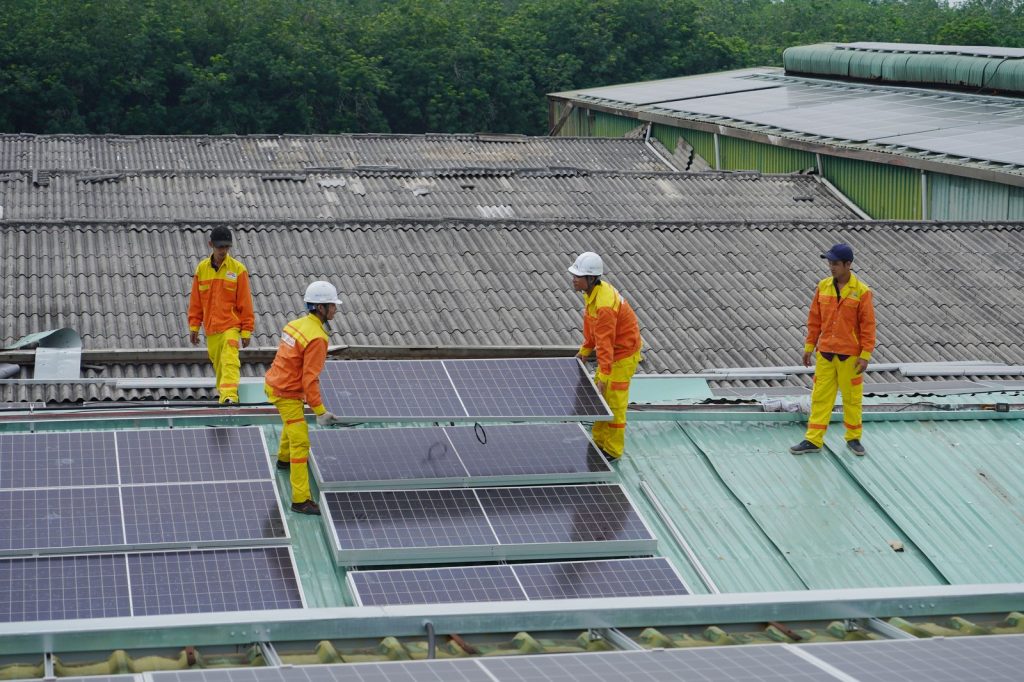
It is the first question almost everyone asks, and it deserves a straight answer, not a runaround. So here is the honest version. There is a rough ballpark, but the real number for your home swings a lot, and for good reasons. Understanding why is what keeps you from overpaying, or from falling for a quote that is too good to be true.
The rough ballpark, with a big caveat
Published guides put a typical grid-tied home system in Jamaica somewhere in the region of one to two million Jamaican dollars, including equipment, installation and the approvals. Treat that as a wide guide, not a quote. Where you land inside it, or outside it, depends on the things below, and anyone who fires a precise number at you before seeing your roof and your bill is guessing.
What actually drives the price
System size. This is the biggest lever. A bigger system means more panels and more capacity, and it costs more. Size is set by how much power you actually use, which is why we always start from your JPS bill rather than a roof measurement. We walk through that in how to size a solar system.
Batteries, or not. This is the single largest swing in the whole quote. A grid-tied system with no storage is the most affordable. Add batteries for backup through outages and the price jumps, sometimes by a large fraction of the total, because batteries are expensive and they wear out over time. Whether that is worth it is its own decision, which we break down in solar with batteries vs grid-tie only.
The equipment, especially the inverter. People fixate on the panels and forget the inverter, the box that turns your panels’ output into power your house can use. A good inverter can cost nearly as much as the panels, and a hybrid inverter that can handle batteries costs more than a basic grid-tie one. Cheaper panels and inverters exist, but this is buried-in-your-system gear meant to last decades, so the cheapest option is rarely the best value.
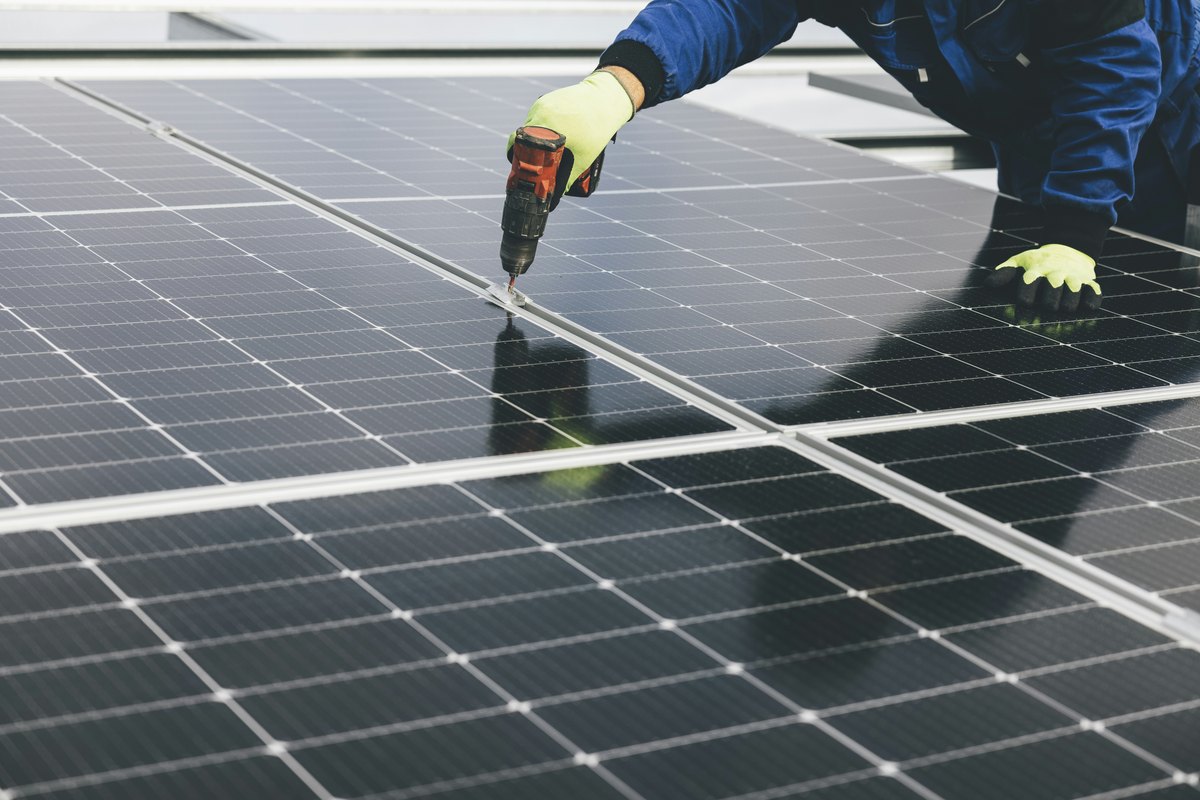
Your roof and site. A simple, accessible concrete roof is cheaper to work on than a steep, high or awkward one, and a roof that needs repair or reinforcement first adds cost. Mounting and waterproofing differ between concrete slab and corrugated metal, and a long cable run from roof to panel adds materials and labour.
Electrical readiness. If your existing panel is old, undersized or cannot accept the solar, it may need work before the system can tie in safely, which is a real line on the quote rather than an afterthought. We cover when that applies in do you need to upgrade your panel before solar?
The paperwork. A grid-tied system needs a net billing licence, a JPS contract and an inspection through the Government Electrical Inspectorate before it is connected. That is a cost and a wait of a few weeks, and it should be in the quote, not sprung on you at the end.
A word on financing
Financing can put solar within reach by spreading the cost into a monthly payment, and in many cases that payment lands close to what you were already handing JPS, so you are effectively buying the system with money you were spending anyway. That is the appeal, and it is real.
The catch is that financing usually makes the system cost more overall than paying cash, and some loan deals bury fees in the total. So compare the cash price against the financed price with eyes open, read what the financing actually adds, and do not let an attractive monthly figure stop you from asking what the whole thing costs. Cash is cheaper if you have it; financing is fine if you understand the trade.
What about payback?
The reason the spend makes sense is what it saves. For a well-sized grid-tied system on a real JPS bill, payback in Jamaica is often estimated at around four to six years, after which it keeps producing for many more. If you finance it so the monthly payment roughly matches your old bill, you are close to cash-flow neutral from the start. We go deeper on this in is solar worth it in Jamaica right now?
How to read a quote and not get burned
A trustworthy quote should spell out the system size in kilowatts, the panel and inverter makes, whether batteries are included and of what size, the mounting and any electrical or panel work, and whether the net billing licence and inspection are in the price or separate. If a quote is one lump figure with none of that, ask for the breakdown before you sign.
Get more than one quote, and be suspicious of the one that is far cheaper than the rest. In solar, dramatically cheaper almost always means a smaller system, lower-grade panels or inverter, no battery where you expected one, or the inspection quietly left out. That is not a bargain; it is a different, lesser job.
So what will it cost you?
Honestly, the only way to know is to have someone look at your bill, your roof and your panel, and size a system to how you actually use power. That is the difference between a number that sounds right and one you can rely on. We will give you an itemised quote that shows exactly what you are paying for, and tell you where you can sensibly save and where you should not.
Related reading
- Is solar worth it in Jamaica right now? for the payback behind the price.
- How to size a solar system for your electricity bill because size is the biggest cost lever.
- Solar system planning for how we turn your bill and roof into an itemised quote.
How much does a home solar system cost in Jamaica?
Published guides put a typical grid-tied home system somewhere in the region of one to two million Jamaican dollars, including equipment, installation and approvals. Treat that as a wide guide rather than a quote, because the real figure depends on system size, whether you add batteries, the equipment chosen, your roof and any electrical work needed.
What makes one solar quote so much more expensive than another?
The biggest factors are system size and whether batteries are included, since storage adds a large chunk. Equipment grade, especially the inverter, the state of your roof, any panel or electrical upgrade needed, and whether the net billing licence and inspection are included all move the price. A far cheaper quote usually covers less, not more.
Why does the inverter cost so much?
The inverter converts your panels’ output into power your house can use, and a good one can cost nearly as much as the panels themselves. A hybrid inverter that can handle batteries costs more than a basic grid-tie unit. Since it is core equipment meant to last for decades, the cheapest inverter is rarely the best value.
Is it cheaper to pay cash or finance solar?
Cash is cheaper overall. Financing spreads the cost into a monthly payment that can land close to your old JPS bill, which makes solar reachable, but it usually adds to the total and some loans hide fees. Compare the cash price against the financed price, and check what the financing actually adds before deciding.
How long until a solar system pays for itself in Jamaica?
For a well-sized grid-tied system on a real JPS bill, payback is often estimated at around four to six years, after which it keeps producing for many more. If you finance it so the monthly payment roughly matches your old bill, you can be close to cash-flow neutral from the start. The exact figure depends on your usage and rates.
What should a good solar quote include?
It should state the system size in kilowatts, the panel and inverter makes, whether batteries are included and their size, the mounting and any electrical or panel work, and whether the net billing licence and GER inspection are in the price or separate. If it is a single lump figure with no detail, ask for the breakdown before signing.
The next step
The only number that means anything is the one built from your actual bill, roof and panel. Get a free quote or message us, and we will size a system to how you really use power and give you an itemised price, with no lump-sum mystery and no pressure.