

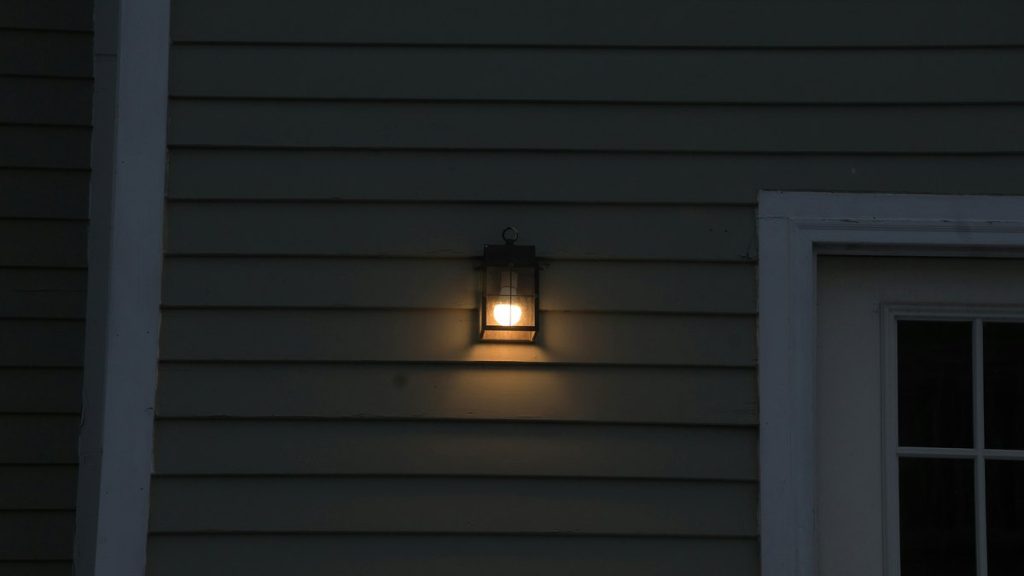
Outdoor lighting earns its keep two ways. It keeps the place safe to walk around at night, and it makes a home less inviting to anyone up to no good. The catch is that it also has the hardest life of any lighting in the house, out in the rain, the sun, the salt air, and the storms all year. Buy the cheap fixture and it rusts, fogs up, and quits in a season. Here is how to choose outdoor and security lighting that survives our conditions and still does its job.
First, build it to survive outside
Before the features, look at whether the fixture is made for the weather at all. You want it marked for a wet location, or rated IP65 or better under the international IP system, which means it shrugs off rain and water jets rather than just a bit of damp. You can read what the ratings mean on the Wikipedia IP code page. Just as important is what it is made of: a sealed housing in corrosion-resistant material, like coated aluminum or stainless, with good gaskets, because our salt air and humidity eat cheap metal and let water into anything that is not properly sealed.
The light source inside should be LED. It lasts far longer than the old halogen security floods, draws a fraction of the power, comes on instantly at full brightness, which matters for a motion light, and does not cook itself with heat. And none of it lasts if the wiring behind it is not weatherproofed, with the outlet or connection in a proper in-use cover, which is the whole point of why outdoor outlets need weatherproof covers.
Then pick how it switches on
Outdoor lighting comes with two main kinds of control, and they do different jobs.
A dusk-to-dawn light uses a photocell to switch itself on at dark and off at first light, with no timer to set. It gives you steady, baseline light all night, good for an entrance, a carport, or a dark side of the house you always want lit. The one trick is to site the photocell where it sees the natural sky and not the glow of the fixture itself or a nearby streetlight, or it will switch on and off at the wrong times.
A motion-sensor light stays off until something moves in its zone, then snaps on bright. That is the classic security light: it startles, it draws the eye, and because it is off most of the time it saves energy. The catch is aiming it well, which we will come to.
For most homes the best answer is both, often in one fixture: a low, steady light all night for safety, that jumps to full brightness when motion is detected. That combination covers the everyday and the unexpected.
Get the brightness and placement right
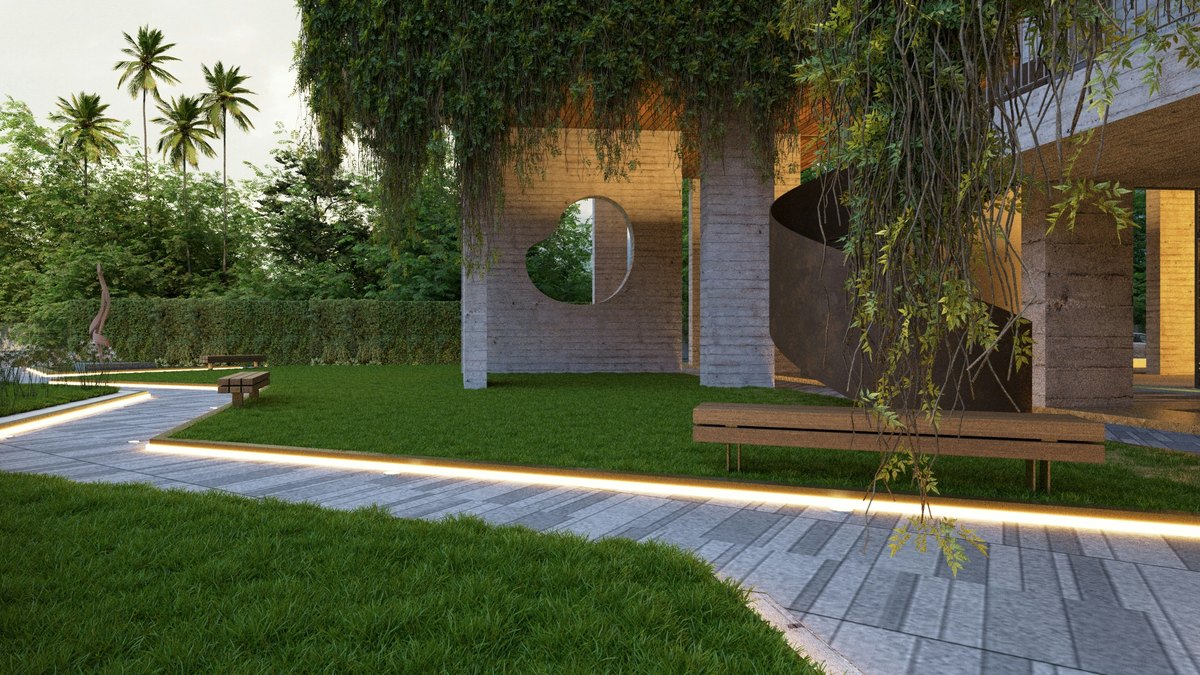
Bright is not automatically better. You want enough light to cover the area cleanly, entries, walkways, the dark corners someone could hide in, without a harsh glare that blinds you, throws deep shadows, or floods the neighbour’s bedroom. A warm-to-neutral white around 3000K to 4000K feels welcoming for general outdoor light, while a cooler daylight white reads more as security lighting for floods.
Placement decides whether it works. Dusk-to-dawn and general fixtures generally go higher, around 8 to 15 feet, for even coverage with less glare. Motion sensors work best mounted about 6 to 10 feet up, angled across the area you want to catch with a wide field of view and a clear line of sight. Aim a motion sensor at the paths and approaches people actually use, and away from the road, your air conditioner’s hot air, and reflective surfaces, all of which set off false triggers that train you to ignore the light.
Hardwired, solar, and surviving an outage
There is a real choice here between hardwired and solar, and our outages make it matter. Hardwired lighting is the brightest and most reliable, but it goes dark in a power cut unless it is on a backup supply. Solar security lights keep working right through an outage and need no wiring run to them, which is genuinely useful here, but quality varies a lot, and a cheap one fades as its battery ages. If you go solar, buy a good unit with a replaceable battery; if you go hardwired and outages worry you, the lighting can be tied to battery or inverter backup. Either way you are buying for years, so it is worth doing once, well.
What makes it last in our climate
The thread through all of this is the environment. Salt air and humidity are what kill outdoor fixtures, so a corrosion-resistant, properly sealed unit is not a luxury here. It is the difference between lighting that lasts years and lighting you replace every rainy season. Storms want solid mounting and a real wet rating. Our surges can take out the driver in a cheap fixture, so buying quality and protecting the circuit pays for itself. The seasonal once-over in the electrical safety checklist before the rainy season is a good time to look over your outdoor lights and their covers too.
The takeaway
Choose outdoor and security lighting that is built for the weather first: wet or IP65-rated, sealed, corrosion-resistant, with LED inside and weatherproofed wiring behind it. Then pick the control for the job, dusk-to-dawn for steady safety light, motion sensors for security, or both together. Get the brightness and aim right so it lights what matters without glare or false triggers. And choose quality, because in our salt, storms, and surges the bargain fixture is the expensive one in the end. Done properly, good outdoor lighting makes a home safer and more secure for years, not months.
Related reading
- Why outdoor outlets need weatherproof covers for protecting the wiring your outdoor lights run on.
- How to choose LED bulbs for a Jamaican home for picking the right bulbs, including damp and wet ratings.
- Electrical safety checklist before the rainy season for keeping outdoor electrics ready for the weather.
- Lighting installation to plan and fit outdoor and security lighting the right way.
What rating should outdoor lighting have?
Look for a fixture marked for a wet location, or rated IP65 or better under the international IP system, so it withstands rain rather than just light damp. Just as important is a sealed housing in corrosion-resistant material like coated aluminum or stainless, because salt air and humidity destroy cheap metal and let water in.
What is the difference between dusk-to-dawn and motion-sensor lights?
A dusk-to-dawn light uses a photocell to come on at dark and off at dawn automatically, giving steady baseline light all night. A motion-sensor light stays off until movement triggers it, then snaps on bright, which is better for security and saves energy. Many homes use both, often combined in one fixture.
How high should I mount a motion sensor light?
About 6 to 10 feet up usually works best, angled across the area you want to cover with a wide field of view and clear line of sight. Aim it at the paths and approaches people use, and away from the road, your air conditioner’s hot air, and reflective surfaces that cause false triggers.
Are solar security lights a good idea here?
They can be, because they keep working through a power outage and need no wiring run to them, which is useful given our outages. The downside is that quality varies and cheap ones fade as the battery ages. If you choose solar, buy a good unit with a replaceable battery.
Why do my outdoor lights keep failing?
Usually it is a fixture not truly built for the outdoors: not properly sealed or wet-rated, so salt air and water corrode it, or a cheap unit whose driver fails on our surges. Choosing a corrosion-resistant, sealed, wet-rated LED fixture and protecting the circuit makes outdoor lighting last far longer.
How bright should outdoor security lighting be?
Bright enough to cover entries, walkways, and dark corners cleanly, but not so harsh that it blinds you, casts deep shadows, or floods a neighbour’s window. A warm-to-neutral white suits general outdoor light, while a cooler daylight white reads more as security lighting for floods.
The next step
Want outdoor and security lighting that survives our weather and actually deters trouble? Get a free quote or message us, and we will choose and fit the right fixtures, sensors, and weatherproof wiring for your home.