

A 15-amp and a 20-amp circuit can look almost the same at the outlet, and most people never give theirs a second thought until something keeps tripping. The difference is real, though. It sets how much you can safely run, and it comes down to the wire hidden in the wall. Here is the plain version, plus the one mistake you must never make.
The capacity difference
The number is the current the circuit can carry before its breaker trips. A 15-amp circuit handles up to 15 amps, which at our 120 volts is about 1,800 watts. A 20-amp circuit handles up to 20 amps, roughly 2,400 watts. So a 20-amp circuit carries about a third more than a 15. For safety you do not want to run either right at its limit for long stretches, but that gap is why heavy appliances get a 20-amp circuit and the bedroom lamp does not.
It really comes down to the wire
This is the part that matters most. The amp rating is not just about the breaker; it is set by the wire. A 15-amp circuit is run on 14-gauge copper wire, and a 20-amp circuit needs the thicker 12-gauge. The wire is what carries the heat, and the breaker is sized to protect that wire.
That leads to the single most important rule: a 20-amp breaker must never be put on a circuit wired with 14-gauge. The thinner wire cannot safely carry 20 amps, so a 20-amp breaker would let the wire overheat before it ever tripped. The breaker always has to match the smallest wire on the circuit, which is the same logic behind choosing breakers: amps, types and what they protect.
The outlet that gives it away
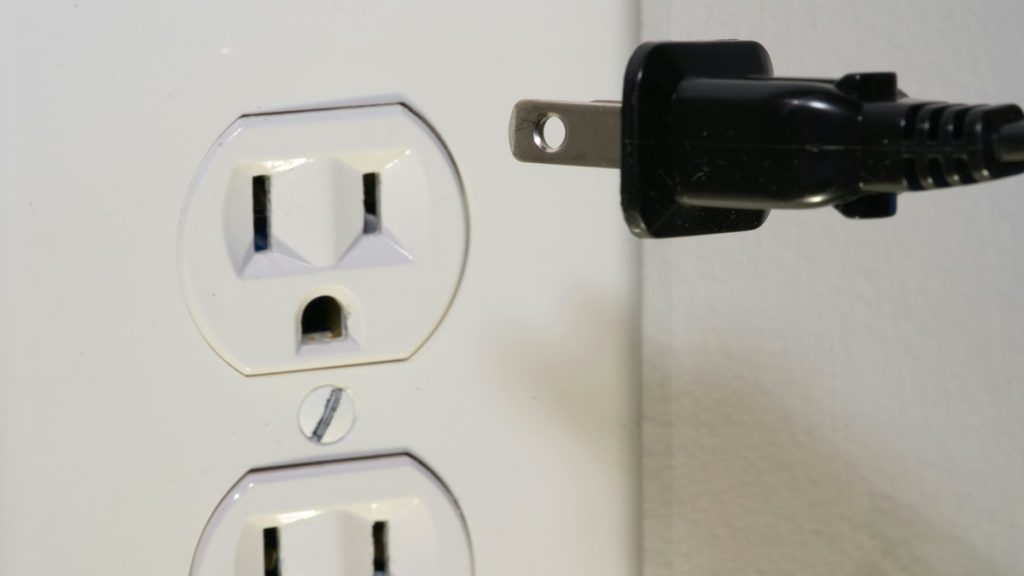
You can often spot a 20-amp circuit at the receptacle. A 20-amp outlet has an extra little horizontal notch branching off one of the vertical slots, making a T shape, so that a 20-amp plug can fit. A standard 15-amp plug fits both, which is why most things plug in anywhere. You can see the standard outlet shapes on the Wikipedia NEMA connector page. One catch worth knowing: a regular 15-amp outlet is allowed on a 20-amp circuit when several outlets share it, but a 20-amp outlet must never be fitted to a 15-amp circuit, because it would invite a 20-amp load onto wiring that cannot take it.
Where each one belongs
In a typical home, 15-amp circuits do most of the everyday work: lighting, bedrooms, living areas, and general outlets for lamps, TVs, and chargers. 20-amp circuits are for the higher-demand spots and the hungrier appliances, kitchen counters, the laundry, sometimes bathrooms, the garage, and outdoor outlets, as well as dedicated circuits for things like a microwave or a window air conditioner. The idea is simple: put the heavy loads on the circuit built to carry them.
The shortcut that starts fires
Here is the trap. A 15-amp breaker keeps tripping, so it is tempting to swap in a 20-amp one and make the nuisance stop. Do not. If the wire is 14-gauge, that bigger breaker has just stripped away the protection and left the wire free to cook. The tripping was the warning that the circuit is overloaded or faulty, not a sign the breaker was undersized. It is exactly why we say to never keep resetting a tripping breaker, and never upsize one. If a spot genuinely needs more power, the fix is a proper 20-amp circuit, run on new 12-gauge wire, not a swapped breaker.
The takeaway
A 15-amp circuit runs on 14-gauge wire and carries about 1,800 watts; a 20-amp circuit runs on thicker 12-gauge wire and carries about 2,400. The wire decides the amp rating, the breaker protects the wire, and a 20-amp breaker has no business on 14-gauge wiring. Use 15-amp circuits for general rooms and lighting and 20-amp for kitchens, laundry, and heavy appliances. If you need more power somewhere, add the right circuit rather than oversizing a breaker, and let an electrician run the wire to match.
Related reading
- Choosing breakers: amps, types and what they protect for how breaker ratings and types fit together.
- Signs of overloaded circuits in your home for when a circuit is carrying more than it should.
- Why you should never keep resetting a tripping breaker for why the tripping is the warning, not the problem.
- Wiring installations to add a proper 20-amp circuit where you actually need the power.
What is the main difference between a 15-amp and a 20-amp circuit?
Capacity and wire size. A 15-amp circuit carries up to 15 amps, about 1,800 watts at 120 volts, on 14-gauge wire. A 20-amp circuit carries up to 20 amps, about 2,400 watts, on thicker 12-gauge wire. The 20-amp circuit handles roughly a third more load.
Can I put a 20-amp breaker on a 15-amp circuit?
No. If the circuit is wired with 14-gauge wire, a 20-amp breaker will let that wire carry more current than it can safely handle, so it can overheat before the breaker trips. The breaker must match the smallest wire on the circuit, which for 14-gauge means a 15-amp breaker.
How can I tell if an outlet is 15 or 20 amp?
A 20-amp outlet has an extra short horizontal notch branching off one of the vertical slots, forming a T shape, so a 20-amp plug can fit. A standard 15-amp outlet has just the two straight vertical slots and a ground hole. A 15-amp plug fits both types.
Where should 20-amp circuits be used?
In higher-demand areas and for hungrier appliances: kitchen counters, the laundry, sometimes bathrooms, the garage, and outdoor outlets, plus dedicated circuits for things like a microwave or a window air conditioner. 15-amp circuits handle general lighting, bedrooms, and living areas.
Is a 20-amp circuit better than a 15-amp one?
It is not better, it is for a different job. A 20-amp circuit carries more, but it requires thicker wire and is meant for heavy loads. Using the right one for each area is what keeps the wiring safe. You cannot upgrade a 15-amp circuit to 20 amps just by changing the breaker; the wire has to be upgraded too.
My breaker keeps tripping. Should I fit a bigger one?
No. A tripping breaker is warning you of an overload or a fault, and fitting a larger breaker on the same wire removes the protection and risks a fire. The right response is to find the cause, and if a location truly needs more power, to have an electrician run a proper 20-amp circuit with the correct wire.
The next step
Not sure whether a circuit can take the load you are putting on it, or need a proper 20-amp line for the kitchen or an air conditioner? Get a free quote or message us, and we will check what you have and run the right circuit for the job.