

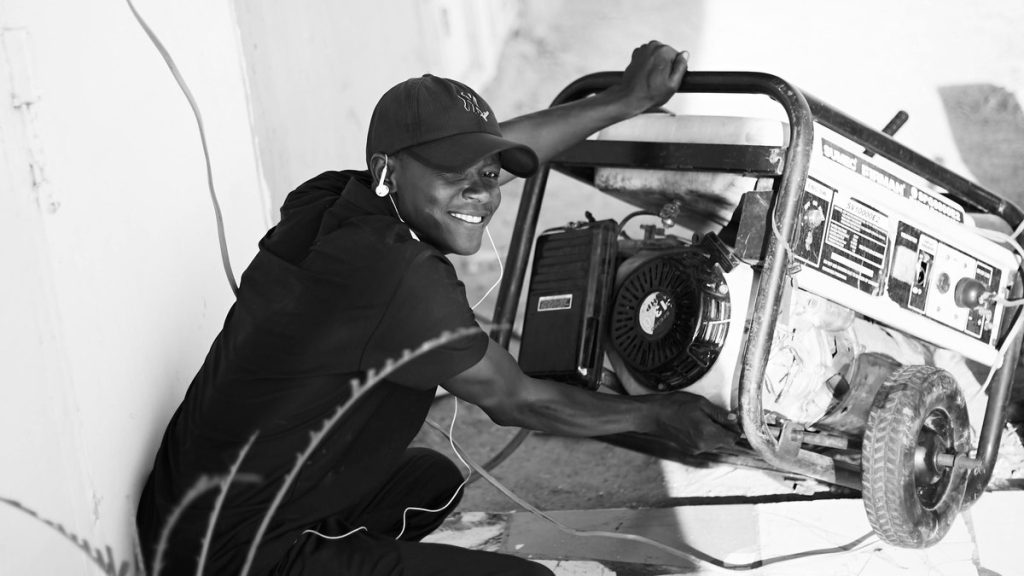
When the power goes out, a generator is a relief. But there is one way of hooking it up that turns it into something that can kill a stranger, and plenty of people do it with no idea of the risk. It is called back-feeding. It is the rare electrical mistake where the person who gets hurt is not you, but a line worker miles away who never had a chance. Here is what back-feeding is, why it is so deadly, and the one correct way to connect a generator to a house.
What back-feeding means
Back-feeding is pushing your generator’s power into the house wiring the wrong way. Instead of a proper connection that isolates the house, someone plugs the generator into a regular wall outlet using a cord with a male plug on both ends, often called a “suicide cord,” and the power runs backward into the house circuits. From there, with nothing to stop it, that power keeps flowing backward through the main breaker and out onto the utility lines feeding your home.
That backward path is the whole problem. Electricity does not know it is supposed to stay in your house. If there is a route back to the grid, it takes it.
Why it kills line workers
Here is the part that makes back-feeding so dangerous, and it comes down to the transformer on the pole or pad that feeds your home. That transformer normally steps the utility’s high voltage down to the 120 and 240 volts your house uses. Run power backward into it, and it does its job in reverse: it steps your generator’s voltage up to thousands of volts and puts it onto the lines outside. You can read what that device does on the Wikipedia distribution transformer page.
Now picture an outage. The power is down because lines are down, often after a storm, and a crew is out there putting them back. Before they touch a line, they confirm it is dead. A back-fed generator can bring that “dead” line back to life with thousands of volts, with no warning at all. A worker who believed the line was safe can be electrocuted, and so can a neighbour standing near a downed wire. This is not theoretical. After Hurricane Ivan, a lineman restoring power was killed when a homeowner started a generator that back-fed the very line he was working on.
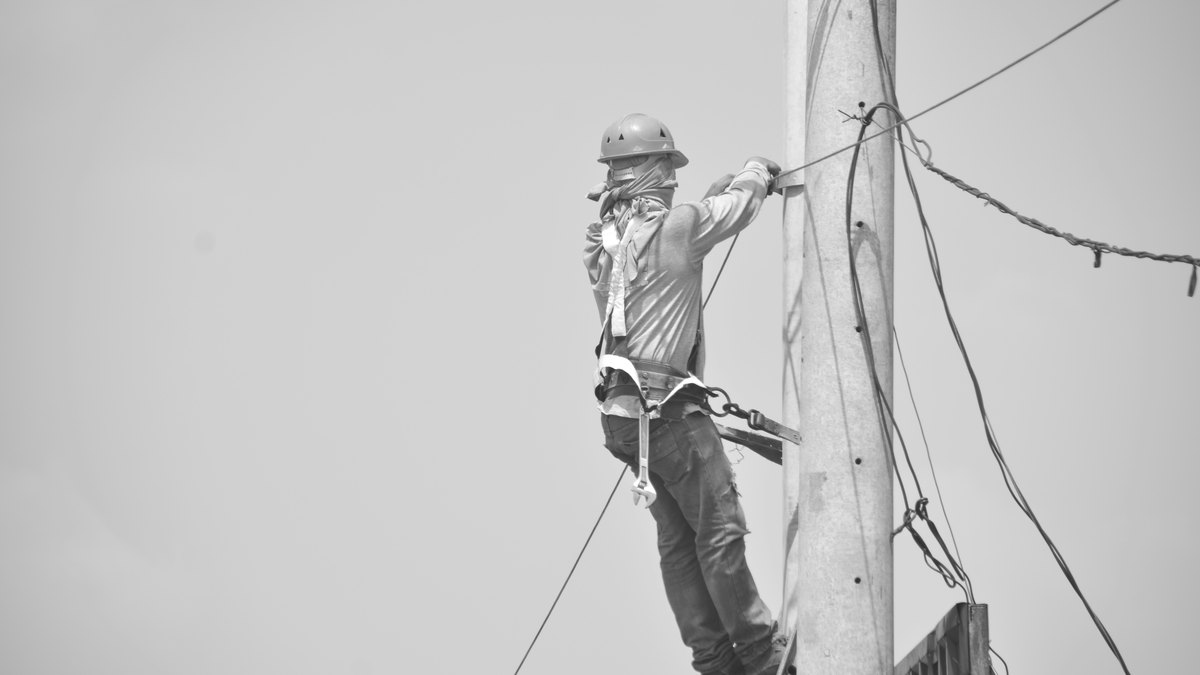
That is the heart of why a generator must never back-feed the grid: it can put lethal voltage onto lines that other people are trusting with their lives.
It is dangerous to you, too
Back-feeding does not only endanger strangers. When the utility power comes back on while your generator is still connected, the grid’s power and your generator’s power collide, out of step with each other, and the surge can wreck the generator on the spot, sometimes violently enough to start a fire. The suicide cord itself is a hazard: while the generator runs, the second plug has live metal prongs exposed, ready to shock anyone who touches them. And because back-feeding through an outlet skips the protections built into your panel, there is nothing guarding those circuits against overload, so the house wiring can be pushed past its limits.
For all those reasons, this practice is against electrical code, and the double-ended cords that make it possible are not legal to use. The code requires that a generator be connected in a way that cannot send current back to the grid.
The one safe way: a transfer switch
The safe answer is a transfer switch, installed by a qualified electrician. A transfer switch sits between the grid and your home and makes sure the house is fed by only one source at a time, either the grid or the generator, never both. When you switch to the generator, it physically disconnects your home from the utility lines, so there is no path for power to back-feed onto the grid. That single piece of equipment protects the line crews, protects your generator from a returning-grid collision, and lets you safely power the circuits you actually need, including hard-wired things a plug-in cord could never reach. An interlock kit, properly installed, does the same job of preventing both sources from being live at once.
Setting that up is electrician work, and it is the difference between a generator that is a safe convenience and one that is a danger to the whole street. Getting a generator connected the right way is part of battery and inverter support, where backup power is wired in so it cannot endanger anyone.
Why this matters so much here
We lose power often, through storms, faults, and load shedding, so generators are common and they get used hard. That is exactly the situation back-feeding is most dangerous in, because the same storms that send everyone reaching for a generator are when JPS crews are out in the dark restoring lines. The temptation to grab a double-ended cord and feed the house through an outlet is real, and it is precisely the wrong move. If you rely on a generator, the right time to fit a transfer switch is before the next outage, not during it. It also pairs naturally with knowing how to safely shut off power in an emergency.
The takeaway
A generator is meant to power your home, not the grid. Back-feeding, usually through a banned double-ended cord, sends power backward through your panel and out to the utility lines, where your own transformer steps it up to thousands of volts and can electrocute a line worker who trusted that line was dead. It can also destroy your generator when the grid returns and leaves live prongs exposed in your hands. The only safe way to connect a generator to a house is through a transfer switch or interlock fitted by an electrician, so the house and the grid can never be live together. Do that, and your generator stays what it should be: a help, not a hazard.
Related reading
- How to safely shut off power in an emergency for handling the panel safely when the power is out.
- Why appliances fail after an outage for what the return of power can do to your equipment.
- Protecting electronics from JPS voltage swings for guarding sensitive gear through unstable power.
- Battery and inverter support to get backup power wired in safely with a transfer switch.
What does it mean to back-feed a generator?
Back-feeding is pushing a generator’s power into the house wiring the wrong way, usually by plugging the generator into a wall outlet with a male-to-male cord. The power runs backward into your circuits and, with nothing to stop it, continues back through the main breaker and out onto the utility lines.
Why is back-feeding so dangerous to line workers?
The transformer that feeds your home normally steps high voltage down to 120 and 240 volts. Run power backward into it and it steps your generator’s voltage up to thousands of volts on the lines outside. A line crew restoring power, who confirmed the line was dead, can be electrocuted when a back-fed generator re-energises it.
What is a suicide cord and why is it illegal?
It is a cord with a male plug on both ends, used to feed a generator into a wall outlet. It is illegal because it enables back-feeding onto the grid, it skips your panel’s overload protection, and while the generator runs the second plug has live metal prongs exposed, ready to shock anyone who touches them.
Can back-feeding damage my own generator?
Yes. If the utility power returns while your generator is still connected, the grid’s power and the generator’s power collide out of step with each other. The resulting surge can destroy the generator on the spot, sometimes violently enough to start a fire.
What is the safe way to connect a generator to my house?
A transfer switch installed by a qualified electrician. It ensures the house is fed by only one source at a time, either the grid or the generator, by physically disconnecting the home from the utility when the generator is in use. An interlock kit, properly installed, does the same job.
Can I just plug the generator into an outlet during an outage?
No. Plugging a generator into a regular outlet is back-feeding, which is dangerous and against electrical code. Use the generator’s own outlets for plug-in loads, and have an electrician fit a transfer switch if you want to power the home’s circuits safely.
The next step
If you run a generator when the power goes, make sure it is connected the safe way. Get a free quote or message us, and we will fit a proper transfer switch so your generator powers your home without ever putting the grid, or a line worker, at risk.