


A surge has come through, maybe after a storm or when the power snapped back on, and now the TV will not turn on and the fridge is making a noise it never made before. It is a stressful moment, and the order you do things in matters. So here is how to work through the aftermath safely, what to document, and how to keep the next surge from costing you the same way.
First, make sure nothing is dangerous
Before you start testing devices, look and smell. If any appliance, outlet, or the panel is sparking, smoking, scorched, or giving off a burning smell, treat it as a hazard, not just a broken gadget. Switch off the power to that area at the breaker, do not touch the appliance while it is live, and if there is flame or smoke you cannot control, get everyone out and call the fire service. A surge that damaged an appliance may also have damaged the wiring or an outlet, and that part can still be live. The Wikipedia voltage spike page covers what a surge actually is.
Unplug, then reset
Once you know nothing is actively dangerous, unplug the devices you think were hit. If the surge tripped a breaker or knocked out the power, unplug the sensitive electronics first and then reset the breaker, so they are not connected if the power comes back with another jolt. It is the same reason we give in why appliances fail after an outage: the return of power can be as rough as the surge itself.
Inspect and test, one at a time
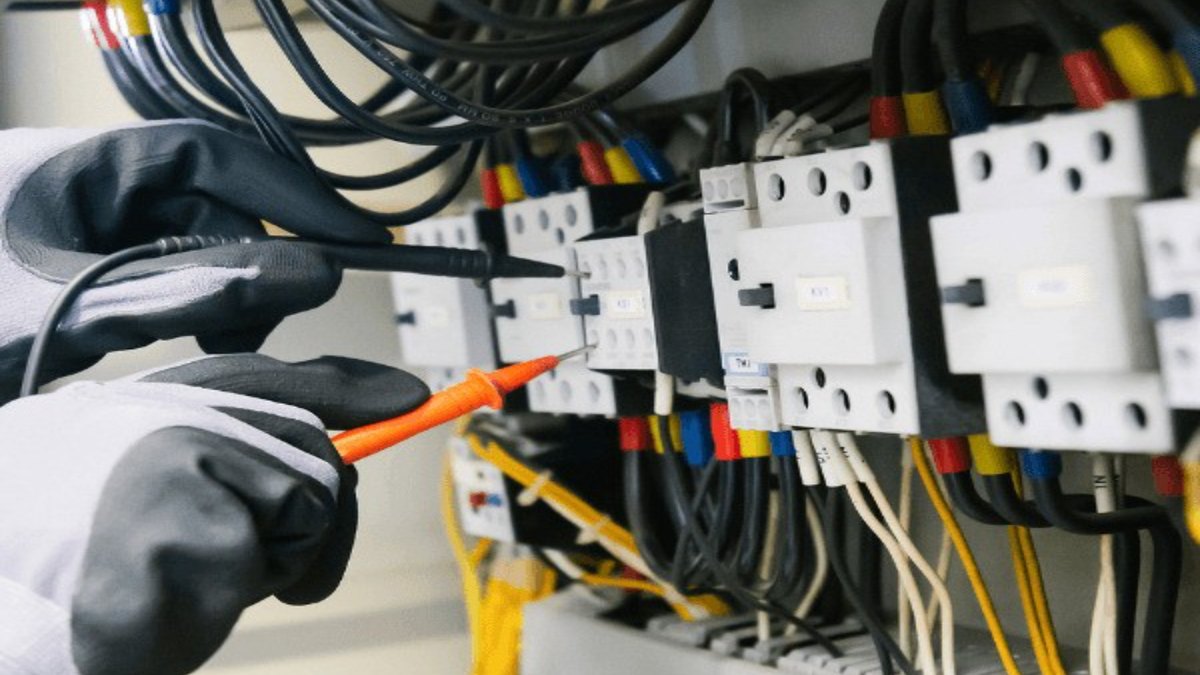
Now go through the house room by room. Check each appliance and electronic, and switch them on one at a time rather than all at once, so you can see clearly which survived and which did not. Some failures are obvious, a dead screen or an appliance that will not start. Others are subtle: a device that powers on but behaves oddly, runs hot, or works only sometimes. Note anything that sparked, smoked, or failed during the surge, and set aside anything that seems even slightly off.
Document everything
This step pays off later, so do not skip it. For each damaged item, write down the make, model, serial number, and rough age, and note how it behaved during the surge, whether it sparked, smoked, or simply died. Take clear photos of the damage and of the outlet it was plugged into. Keep receipts and manuals if you have them. All of it helps a repair technician, and it is exactly what an insurer or the utility will ask for if you make a claim.
Do not keep using a damaged appliance
Here is the part people get wrong. An appliance that took a surge and still switches on is not necessarily safe. A surge can leave hidden damage inside, weakened insulation or a stressed component, that holds for now but fails later, sometimes by overheating or starting a fire. If a device sparked, smells hot, runs warm, or behaves strangely after a surge, stop using it and have it checked or repaired before you trust it again. Same goes for any outlet that looks or smells off.
When to call an electrician
If the damage is limited to a plug-in appliance, that is a job for the appliance repairer or the bin. But if an outlet or the panel is scorched, if a hard-wired appliance like the water heater or air conditioner was hit, or if you suspect the surge got into the wiring and not just the device, call an electrician. They can check the panel, the outlets, and whether the surge exposed protection that was missing or worn out. Tracing surge damage in the wiring and panel is power outage troubleshooting work, not a guessing game.
Insurance and the utility
Two calls are worth making. Check your insurance policy, because home cover sometimes pays for surge damage when it comes from a covered cause like a lightning strike or a utility fault, though policies vary and some exclude it without specific cover, so read yours or ask your insurer. And if the surge may have come from the utility side, a transformer, a downed line, a neighbourhood fault, you can report it to JPS with your documentation; whether they reimburse depends on the cause and on reporting it promptly. The photos and notes you took are what make either of these possible.
Then stop it happening again
A surge that has already cost you appliances is the clearest argument there is for proper protection. Whole-home surge protection at the panel catches the big hits, point-of-use strips guard sensitive electronics, and both lean on a sound earth, which we get into in surge protection: whole-home vs power strips. Putting that in place is far cheaper than replacing a houseful of electronics twice.
The takeaway
After a surge, work in order: make sure nothing is sparking or burning, and cut the power if it is; unplug the affected devices; then inspect and test them one at a time. Document every damaged item with photos and details, for repair, insurance, and the utility. Do not keep using anything that took a hit and seems off, because the damage you cannot see is the dangerous part. Call an electrician if an outlet, the panel, or hard-wired equipment was involved. Then fit proper surge protection so the next one is a shrug, not a shopping list.
Related reading
- Why appliances fail after an outage for the surge that often comes when power returns.
- Surge protection: whole-home vs power strips for the protection that prevents a repeat.
- Protecting electronics from JPS voltage swings for the other power problems worth guarding against.
- Power outage troubleshooting to check your wiring and panel after a surge.
What is the first thing to do after a power surge?
Make sure nothing is dangerous before testing anything. If an appliance, outlet, or the panel is sparking, smoking, scorched, or smells burnt, switch off the power to that area at the breaker and do not touch it while live. If there is flame or smoke you cannot control, get everyone out and call the fire service.
Should I unplug appliances after a surge?
Yes. Once you know nothing is actively dangerous, unplug the devices you think were hit. If the surge tripped a breaker or cut the power, unplug the sensitive electronics first and then reset the breaker, so they are not connected if the power returns with another jolt.
Is it safe to keep using an appliance that still works after a surge?
Not necessarily. A surge can leave hidden damage inside, such as weakened insulation or a stressed component, that works for now but fails later, sometimes by overheating or starting a fire. If a device sparked, smells hot, runs warm, or behaves strangely after a surge, stop using it and have it checked first.
How do I document surge damage for an insurance claim?
For each damaged item, record the make, model, serial number, and rough age, and note how it behaved during the surge. Take clear photos of the damage and of the outlet it was plugged into, and keep receipts and manuals if you have them. This documentation is what insurers and the utility ask for.
When should I call an electrician after a surge?
Call one if an outlet or the panel is scorched, if a hard-wired appliance like the water heater or air conditioner was hit, or if you suspect the surge damaged the wiring rather than just a plug-in device. An electrician can check the panel, outlets, and whether your surge protection was missing or worn out.
Will insurance or the utility cover surge damage?
It depends. Home insurance sometimes covers surge damage from a covered cause like lightning or a utility fault, but policies vary and some exclude it without specific cover, so check yours. If the surge may have come from the utility side, you can report it to JPS with your documentation, though reimbursement depends on the cause and prompt reporting.
The next step
If a surge has just cost you appliances, the worst thing is to replace them and leave the door open for the next one. Get a free quote or message us, and we will check what the surge touched and fit whole-home protection so it does not happen again.