


Most people think of earthing, or grounding, as a safety feature for people, the thing that stops a faulty appliance from shocking you. That is true, and it is the most important job it does. But a proper earth also does a second, quieter job that anyone with expensive electronics should care about: it protects the appliances themselves. On a grid with the voltage swings, surges, and storms we get, that protection is worth understanding. So here is how a good earth looks after your equipment.
It gives surges somewhere to go
When a voltage spike hits your home, from a lightning strike nearby, a power cut and reconnection, or a fault on the line, that energy has to go somewhere. A surge protector’s whole trick is to shove the spike into the earth wire, where it drains away harmlessly into the ground. The Wikipedia earthing system page covers how that path works. And here is the catch: it only works if there is a real earth behind the outlet. Without one, the surge protector has nowhere to send the spike, so the surge keeps going through your wiring and into whatever is plugged in. A good earth is what makes surge protection actually protect.
It gives electronics a steady reference
The boards inside a TV, a computer, an inverter, an LED driver, are built to work against a stable zero-voltage reference, and that reference is the earth. A solid earth gives them steady footing to measure against, so they run the way they were designed to. A missing or poor earth leaves them working off an unstable reference, which shows up as glitches, premature wear, and the kind of mysterious faults nobody can quite trace.
It clears faults fast, before they cook things
A good earth is a low-resistance path straight back to the panel. When a fault dumps current where it should not be, that path lets a big current flow at once, which trips the breaker or blows the fuse in a fraction of a second. That speed protects people, and it also limits how long a fault can pour energy into your wiring and equipment. A fault cut off in a fraction of a second does far less damage than one left to smoulder because the current had no fast way out.
It drains static and quiets electrical noise
Earthing also handles the small, constant nuisances. It gives the static charge that builds up on equipment a safe path to bleed away, rather than letting it discharge through a sensitive circuit. And it helps drain off the electrical noise and interference that can disturb audio, video, and computer gear. None of this is dramatic, but over the years it is part of why well-earthed equipment tends to run cleaner and last longer.
Why it matters more here
Put our conditions together and the case for a solid earth only gets stronger. Frequent outages mean frequent reconnections, and reconnection surges are hard on electronics. Storms bring lightning and spikes. Damp and salt air corrode connections, earth connections included, so an earth that was fine years ago can quietly degrade. And plenty of older homes were either never properly earthed or have had three-prong outlets fitted with no real earth behind them, which we get into in two-prong vs three-prong outlets and grounding. If your earth is missing or degraded, every surge protector and every sensitive appliance in the house is working with less cover than you think.
What to do about it
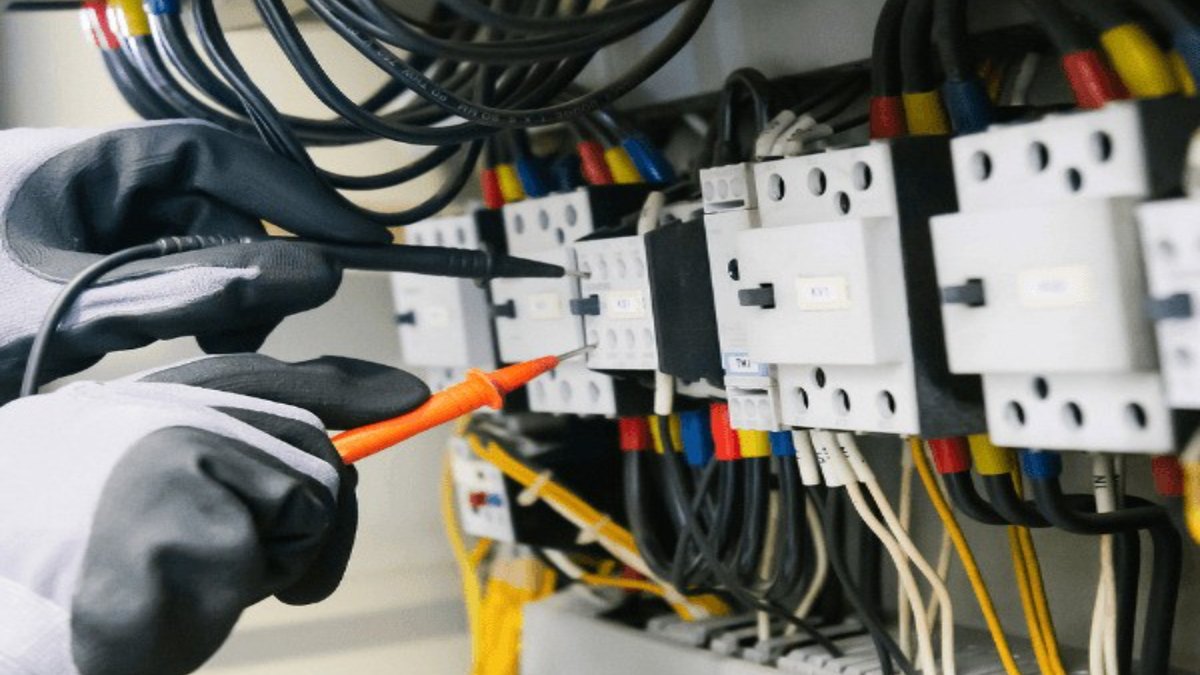
You cannot tell the state of your earthing from across the room, and testing it properly takes an electrician with the right instruments. If you lean on surge protectors, run expensive electronics, or live in an older home, it is worth having your earthing checked and, where needed, brought up to standard. That work, running or repairing earth connections and making sure your outlets are genuinely earthed, is wiring installation work for a professional. Not a do-it-yourself job, but a straightforward one for an electrician, and it quietly pays for itself every time the power does something ugly.
The takeaway
Proper earthing protects your appliances by giving surges a safe path to ground, giving electronics the stable reference they need, clearing faults fast before they can do damage, and draining off the static and noise that wear equipment down. On a grid with our surges, outages, and storms, a solid earth is one of the most cost-effective protections you can have for electronics you paid good money for. If you are not sure yours is sound, especially in an older home, have it checked. The protection only works if the earth is really there.
Related reading
- Two-prong vs three-prong outlets and grounding for whether your outlets are genuinely earthed.
- GFCI outlets: what they are and where you need them for the shock-protection side of grounding.
- Signs of a loose electrical connection for a fault a good earth helps clear quickly.
- Wiring installations to check and restore proper earthing in your home.
How does earthing protect my appliances?
A good earth gives voltage surges a safe path into the ground instead of through your equipment, gives electronics a stable voltage reference to work against, clears faults fast so they do less damage, and drains static and electrical noise. Together these protect your appliances from spikes and wear and help them last longer.
Do surge protectors work without proper earthing?
Not properly. A surge protector works by diverting a voltage spike into the earth wire. If there is no real earth behind the outlet, the spike has nowhere to go, so it carries on through your wiring into whatever is plugged in. A surge protector is only as good as the earth behind it.
Why do electronics need a stable earth reference?
The circuit boards in TVs, computers, inverters and LED drivers are built to measure voltages against a stable zero point, which is the earth. A solid earth gives them steady footing so they run as designed. A missing or poor earth leaves them on an unstable reference, which can cause glitches, premature wear and hard-to-trace faults.
Can poor earthing damage my equipment over time?
Yes. Without a good earth, surges reach your equipment, faults take longer to clear and pour more energy into the wiring, and static and electrical noise are not drained away. Over years that adds up to more stress, more mysterious failures, and shorter appliance life than a well-earthed system would give.
Why does earthing matter more in Jamaica?
Frequent outages mean frequent reconnection surges, storms bring lightning and spikes, and damp salt air corrodes connections, including earth connections, over time. Many older homes were never properly earthed or have three-prong outlets with no real earth. All of this makes a sound earth more valuable here than in calmer conditions.
How do I know if my home is properly earthed?
You cannot tell by looking, and testing it correctly needs an electrician with the right instruments. If you use surge protectors, run expensive electronics, or live in an older home, it is worth having your earthing checked and brought up to standard. Restoring proper earthing is straightforward work for a professional.
The next step
If you run a TV, fridge, inverter, or a houseful of electronics, a sound earth is quietly protecting all of it, or quietly failing to. Get a free quote or message us, and we will test your earthing and put it right so your surge protection and your appliances actually have the ground they depend on.