

The single best way to keep the cost of backup down is to stop thinking about powering the whole house and start thinking about powering only what you actually need when the power is out. Back up the essentials and a far smaller, far cheaper system does the job. The trick is sizing it properly, and there is a simple method for that. Here it is, step by step.
Step one: decide what is essential
Before any numbers, make a list and sort it into three buckets. Critical is anything safety-related you cannot do without, like a medical device or a water pump. Essential is the everyday comfort that makes an outage bearable: the fridge, some lights and fans, the internet router, phone charging. Non-essential is everything heavy you can happily do without for a few hours, above all the air conditioning, the electric oven and the clothes dryer. Backup is for the first two buckets. Leaving the third out is exactly what keeps the system small and affordable.
Step two: get the watts
Now put a number on each thing you want to keep on. Most appliances print their power draw on a label, in watts. If the label only shows amps, multiply the amps by the voltage, usually 110 here for ordinary outlets, to get watts, the same maths explained on the Wikipedia watt page. Anything with a motor, like the fridge or a pump, also pulls a brief startup surge of several times its running watts for a second or two, so note that too. It matters for the next steps.
Step three: work out energy for the battery
The battery is sized by energy, which is watts multiplied by hours. Add up the running watts of everything on your essentials list, then multiply by how many hours you want it all to last. Say your essentials draw 400 watts on average and you want twelve hours overnight; that is about 4.8 units of energy you need to store. Remember that you size in usable capacity, not the number on the battery’s box, because of depth of discharge, which we explain in what is depth of discharge and why it matters.
Step four: work out power for the inverter
The inverter is sized by power, not energy. It has to be big enough to supply everything that might run at the same instant, including that startup surge from the fridge or pump. So you add up the peak draw, the worst moment rather than the average, and pick an inverter comfortably above it. Get this wrong and the system trips the moment a motor kicks in, even if the battery is full. We go through it in what size inverter do you need for your home.
Step five: separate the essentials with a sub-panel
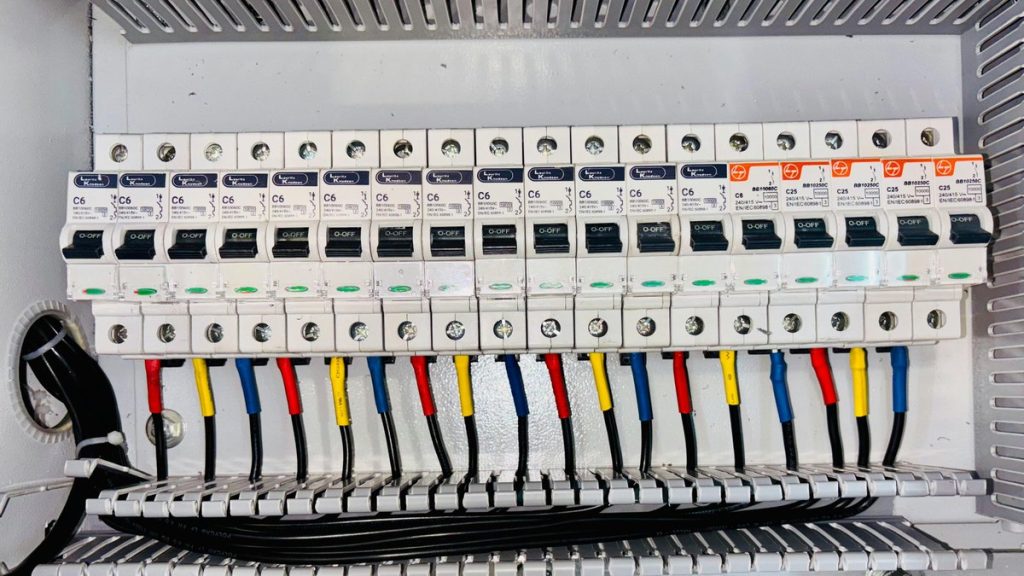
The neat way to make all this work in practice is a critical-load sub-panel. Instead of trying to back up your whole breaker box, an electrician moves just your essential circuits, the fridge, a few lights, the router, onto a smaller panel that the backup feeds. When the power drops, that panel stays alive and the rest of the house waits. It keeps the backup focused on what you chose and stops the system being dragged down by heavy loads you never meant to cover.
Putting it together
A typical essentials setup might land on a modest inverter and a battery of a few usable units, comfortably running a fridge, lights, fans and the internet through a normal outage, and recharging from solar by day. That is a fraction of the cost of whole-home backup, which we compare in how many batteries do you need for whole-home backup. The exact figures come straight out of your own load list, which is why the list is where every good design starts.
The takeaway
Sizing backup around your essentials is four honest numbers and one smart bit of wiring: list what matters, get the watts, turn that into energy for the battery and peak power for the inverter, and put the essentials on their own panel. Do that and you get a system that keeps the important things running through an outage without paying for capacity you would almost never use.
Related reading
- Battery backup sizing: keeping the essentials on through an outage for a worked look at the battery side.
- What size inverter do you need for your home? for handling peak power and surges.
- What is depth of discharge and why it matters for sizing in usable capacity.
- Battery and inverter support to design and fit a backup system around your essentials.
What counts as an essential load for backup?
Sort your loads into three groups. Critical is safety-related, like a medical device, security system or water pump. Essential is everyday comfort: the fridge, some lights and fans, the internet router and phone charging. Non-essential is heavy items you can skip for a few hours, like the air conditioning, electric oven and dryer. Backup covers the first two.
How do I find the wattage of my appliances?
Most appliances print their power draw in watts on a label. If the label shows only amps, multiply the amps by the voltage, usually 110 here for ordinary outlets, to get watts. Note that motor-driven items like the fridge or a pump also pull a brief startup surge of several times their running watts, which matters for sizing the inverter.
How do I size the battery?
The battery is sized by energy, which is watts multiplied by hours. Add up the running watts of your essentials and multiply by how many hours you want them to last. If your essentials draw 400 watts and you want twelve hours, that is about 4.8 units. Size in usable capacity, not the nameplate, because of depth of discharge.
How do I size the inverter?
The inverter is sized by power, not energy. It must supply everything that could run at the same instant, including the startup surge from a fridge or pump. Add up the peak simultaneous draw, not the average, and choose an inverter comfortably above it. Undersize it and the system trips when a motor starts, even with a full battery.
What is a critical-load panel?
It is a smaller sub-panel that holds just your essential circuits, like the fridge, a few lights and the router. An electrician moves those circuits onto it, and the backup feeds that panel. When the power drops, the essentials stay alive while the rest of the house waits, keeping the backup focused on what you chose to cover.
Why size around essentials instead of the whole house?
Because it is far cheaper. Backing up only the fridge, lights, fans and internet needs a fraction of the battery and inverter that running the whole house, especially the air conditioning, would demand. For most homes the essentials are all that matter during an outage, so sizing around them avoids paying for capacity you would rarely use.
The next step
Want backup that covers what matters without the whole-house price tag? Get a free quote or send us your list of must-haves, and we will size a system, and a critical-load panel if it helps, around your real essential loads.