

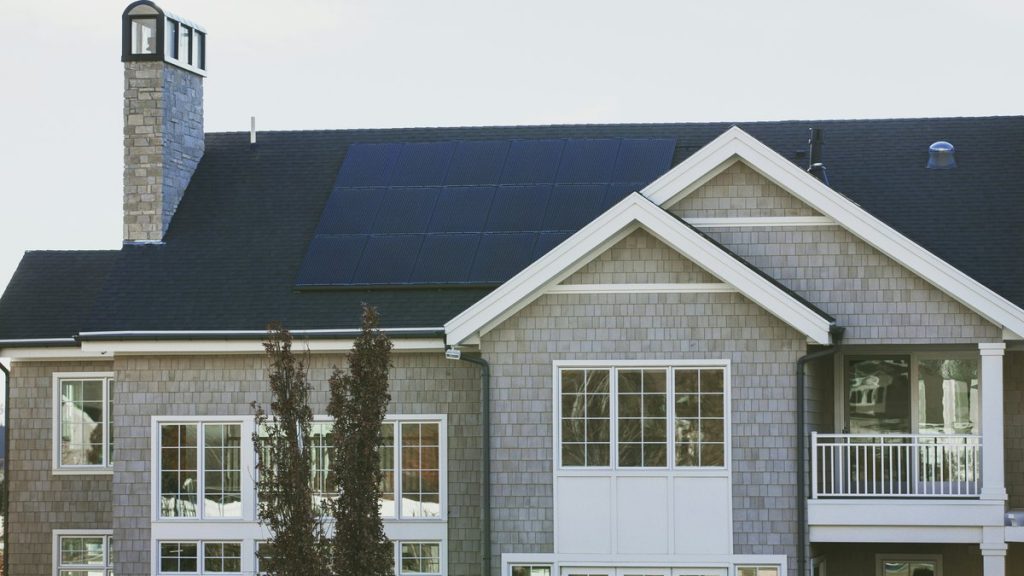
The first question almost everyone asks about solar is the same one: how long before it pays for itself? It is the right question, because solar is an investment, not a gadget. For most Jamaican homes the honest answer lands somewhere around four to seven years. After that the system is effectively making power for free for the rest of its life. That range is wide for a reason, so here is what sits behind it and what pushes your own number toward the short end or the long end.
What payback actually means
Payback is the time it takes for the money you save on electricity to add up to what you spent on the system. Once you pass that point, every month of production after is money in your pocket, and the panels themselves are built to keep going for 25 to 30 years, as we cover in how long do solar panels last in the Caribbean. So a five-year payback on a system that runs for a quarter of a century is a long stretch of close to free power.
Why Jamaica’s payback is relatively fast
The thing that makes solar pay back quickly here is the price of grid power. JPS electricity is expensive by world standards, running around JMD 45 per kilowatt-hour for residential customers as of late 2025, which you can check against the published JPS rate schedules. The more you pay for grid power, the more each unit your panels make is worth, and the faster the savings stack up. Pair that with strong year-round sun and you have conditions that pay a system back faster than in many cooler, cheaper-power countries. The Jamaica Solar Energy Association has put typical payback at about four years for a well-sized cash purchase.
What pushes your payback shorter or longer
A few things decide where in that four-to-seven-year band you land.
The size of your bill is the biggest one. A home with a large monthly bill is paying JPS a lot, so solar displaces a lot, and the savings come in fast. A small bill means smaller savings and a longer wait.
How much of your own power you use matters almost as much. Under JPS net billing, you get full retail value for the power you use yourself the moment your panels make it, but only the lower avoided-cost rate for surplus you export. So a system whose production lines up with daytime use pays back faster than one that exports most of what it makes. We explain that split in how JPS net billing actually works.
Sizing matters too. A system matched to your usage, neither too small to make a dent nor so big you never use what it makes, gives the best return. We go through that in how to size a solar system for your electricity bill.
Adding batteries changes the maths. Batteries add to the upfront cost and stretch the payback, because their saving is mostly about backup power during outages rather than extra bill reduction. That can be well worth it for the reliability, but it is a comfort and resilience decision as much as a financial one, so it is worth being clear-eyed about it.
Financing changes the picture
If you finance the system rather than pay cash, the conversation shifts from payback to cash flow. With a loan over five or six years, the monthly payment often lands close to what you were already handing JPS, so you are paying a similar amount but building an asset instead of renting power. Once the loan is done, the savings are fully yours. The trade is a slightly longer break-even against the loan interest, in exchange for not having to find the full cost upfront.
The honest takeaway
Four to seven years is a fair planning estimate for most homes, with the bigger bills and the more self-used systems landing at the short end. It is not instant, and anyone promising a two-year payback on an ordinary home bill is stretching it. But against panels that last 25 years or more and a grid price that keeps climbing, solar remains one of the better-returning things you can do with a roof in Jamaica. The only way to get your real number is to run it against your actual bill and usage.
Related reading
- Is solar worth it in Jamaica right now? for the bigger-picture case.
- How JPS net billing actually works for how self-use beats export on payback.
- How to size a solar system for your electricity bill for getting the size, and the return, right.
- Solar system planning to work out your own payback against your real bill.
How long does solar take to pay for itself in Jamaica?
For most homes, roughly four to seven years. Cash purchases sized well to a decent bill can land near the short end, around four years, according to the Jamaica Solar Energy Association. After payback the system keeps producing for the rest of its 25 to 30 year life, so the savings continue long after it has paid for itself.
Why does solar pay back faster in Jamaica than elsewhere?
Because grid power is expensive here, around JMD 45 per kilowatt-hour for residential customers as of late 2025, and the sun is strong year round. The more you pay JPS per unit, the more each unit your panels make is worth, so the savings add up faster than in countries with cheaper power or weaker sun.
What makes my payback shorter or longer?
The size of your bill is the biggest factor, since a bigger bill means bigger savings. How much of your own power you use matters too, because self-used power earns full retail value while exported surplus earns the lower avoided-cost rate. Correct sizing helps, and adding batteries lengthens payback in exchange for backup power.
Do batteries make the payback longer?
Yes. Batteries add to the upfront cost, and their main benefit is backup power during outages rather than extra bill reduction, so they stretch the payback. Many homes still choose them for the reliability, but it is worth treating storage as a resilience decision alongside the financial one.
Is it better to pay cash or finance the system?
Cash gives the cleanest payback. Financing over five or six years often sets the monthly payment close to what you already pay JPS, so you build an asset instead of renting power, and the savings are fully yours once the loan ends. The trade is a slightly longer break-even against the loan interest.
How do I find my own payback period?
Run it against your actual JPS bill and daytime usage rather than a generic figure. The bill size, how much power you use during the day, the system size and whether you add batteries all change the number, so a proper assessment of your home gives a far more accurate estimate than any rule of thumb.
The next step
Your real payback depends on your real bill, not an average. Get a free quote or send us a recent JPS bill, and we will work out a realistic payback estimate for a system sized to your home.