

Most electrical dangers people worry about are loud: a breaker that trips, a shock, sparks at a socket. An arc fault is quieter than any of them, and that is the trouble with it. It can smoulder inside a wall for weeks, throwing off enough heat to start a fire, while every light in the house works fine and the breaker never so much as twitches. So here is what an arc fault is, what causes one, and what you can safely do about it.
What an arc fault actually is
Electricity is meant to run along a solid, unbroken path: the copper in your wires, and the tight connections at each end. An arc fault is what happens when that path breaks down and the current jumps the gap instead, leaping through the air as a tiny, repeating spark. That jump is the arc, and an arc is ferociously hot. The temperature right at the point of arcing can reach into the thousands of degrees, well past what it takes to set wood, dust, or the plastic insulation on the wire alight. The Wikipedia arc-fault circuit interrupter page has the technical detail if you want it.
The current involved is often tiny. That is the catch. The danger is not how much electricity is flowing, it is where the energy ends up: a pinpoint of intense heat, in a spot you cannot see, right beside things that burn.
Why a normal breaker often misses it
This is the part that catches people out. Your breaker panel does two jobs well. It cuts a circuit drawing too much current, and, with a GFCI, it cuts one leaking to ground. An arc fault usually does neither. The total current can sit comfortably inside what the breaker calls normal, so as far as the panel is concerned, nothing is happening. All the while the arc is cooking the inside of a wall box.
That is the whole problem in a line: an arc fault can make fire-starting heat without ever drawing enough current to trip a standard breaker. Your existing protection was simply never built to catch it.
What causes an arc fault
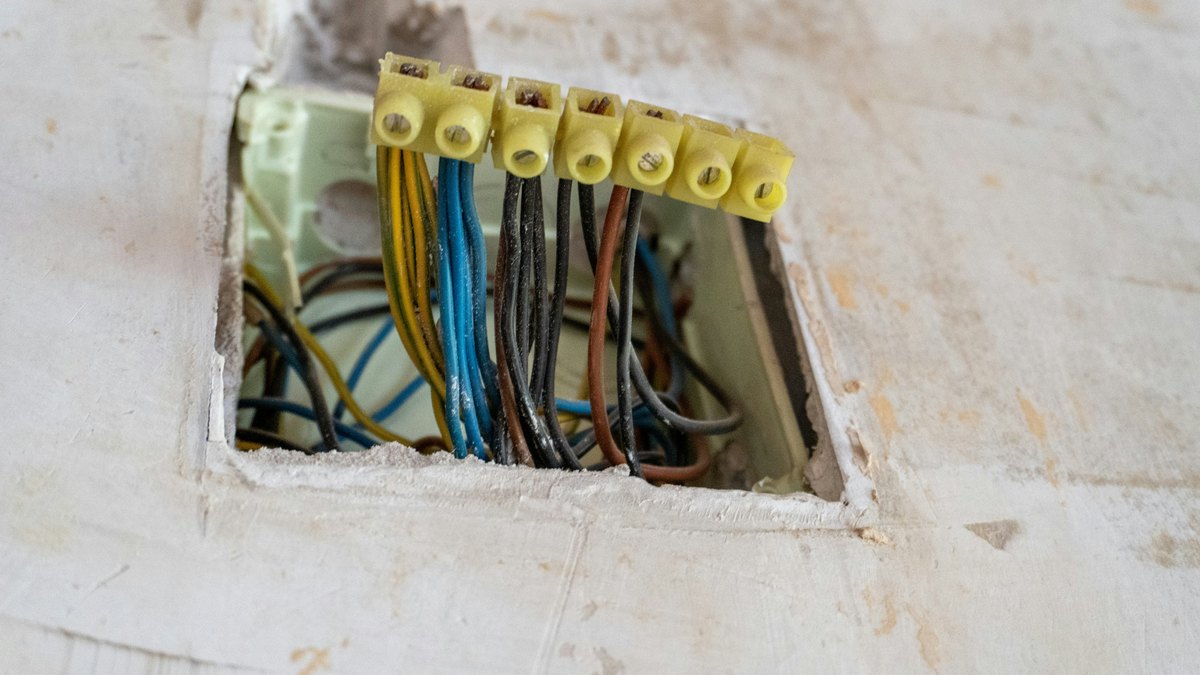
Arc faults nearly always come back to a connection or a length of wire that has gone bad. A loose terminal screw on an outlet or switch is a common one: the wire is no longer clamped tight, so the current arcs across the gap. So is a cable pinched or nicked during an earlier job, or gnawed by a rodent, leaving the conductor part exposed. Old insulation that has gone brittle and cracked with age and heat is another, and that one comes up a lot in older Jamaican homes. A cheap or damaged extension cord, crushed under furniture or kinked behind an appliance, will do it too. And then there is plain wear, a connection that held fine for years slowly working loose as the wire heats and cools day after day.
Damp and salt air make every one of these worse. Corrosion eats at connections and bare copper, and a corroded joint is exactly the loose, high-resistance contact where arcing likes to start.
The warning signs worth noticing
An arc fault is sneaky by nature, but it does sometimes leave clues. A faint smell of hot plastic near an outlet, switch, or the panel. A scorch mark, some discolouration, or warmth around a socket or switch plate. Lights flickering or buzzing on one circuit for no clear reason. A crackling or sizzling sound from inside a wall or a fixture. None of that is normal, and any one of them showing up around the same spot is reason enough to stop using that circuit and get it looked at.
And if you ever see actual smoke, or smell something burning and cannot find where it is coming from, treat it as an emergency. Cut the main breaker if you can do it safely, and get everyone out first.
What you can safely do, and what you cannot
Some of this is in your hands. Bin a damaged or hot extension cord instead of nursing it along. Do not load up a single outlet with a tower of adapters. If an outlet, switch, or plug is warm, discoloured, or smells hot, stop using it and have it looked at, which we go into in why is my outlet warm to the touch.
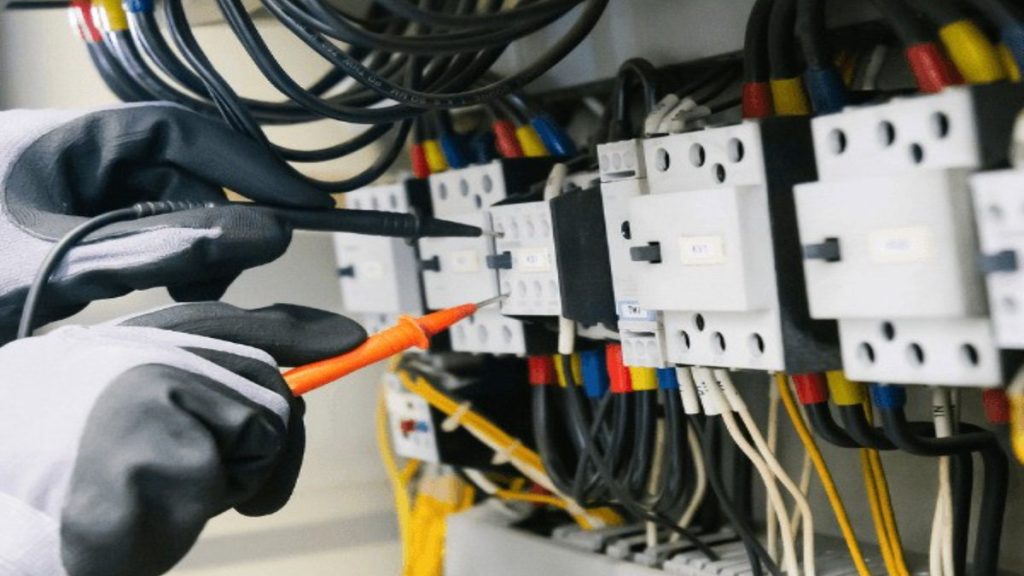
What you should not do is go hunting for an arc fault yourself inside the wiring. The fault is usually hidden in a wall box or behind a fixture, the wiring is live, and finding it means knowing what a failing connection looks like and reads like on a meter. That is electrician’s work. The real protection against arc faults is a special breaker, an arc-fault circuit interrupter, that listens for the electrical signature of arcing and cuts the circuit before the heat can do any harm. Fitting AFCI protection, or running down a suspected arc fault, is part of panel and breaker work, not a do-it-yourself job.
The takeaway
An arc fault matters because it is the rare electrical hazard that can start a fire while staying invisible, both to your breaker and to you. It comes from connections that have gone loose, damaged, or corroded; it makes intense heat in a spot you cannot see; and a standard breaker usually never notices. Keep your cords and outlets in good shape, and move fast on any burning smell, warmth, or scorch mark. But finding the fault, fixing it, and adding AFCI protection is a job for a qualified electrician. In a house where damp and age are quietly working on the wiring all the time, that is worth taking seriously.
Related reading
- GFCI outlets: what they are and where you need them for the other safety device every home needs.
- Why is my outlet warm to the touch? for an early sign of a failing connection.
- Signs your breaker panel needs upgrading for when your panel is due for modern protection.
- Panel and breaker work to add AFCI protection and check suspect circuits.
What is an arc fault in simple terms?
It is electricity jumping a gap it should not cross. Current is meant to travel through solid wire and tight connections, but when a connection comes loose or a wire is damaged, the current can arc across the break like a tiny repeated spark. That arc is extremely hot and can ignite nearby wood, dust or insulation.
Why is an arc fault so dangerous?
Because it can start a fire while staying hidden. The arc creates intense, localised heat inside a wall box or behind a fixture, often without drawing enough current to trip a standard breaker. So it can smoulder for a long time with no obvious sign while every light in the house still works normally.
Why does my breaker not trip on an arc fault?
A normal breaker trips on too much current, and a GFCI trips on current leaking to ground. An arc fault often does neither, since the total current can stay within normal limits even while the arc makes fire-starting heat. That is why a special arc-fault breaker, an AFCI, is needed to detect it.
What causes arc faults in a home?
Usually a bad connection or damaged wire: a loose terminal screw on an outlet or switch, a cable pinched, nicked or chewed by a rodent, cracked old insulation, or a crushed extension cord. Damp and salt air make it worse by corroding connections, which creates the loose, high-resistance contact where arcing begins.
What are the warning signs of an arc fault?
A smell of hot plastic near an outlet, switch or panel; scorch marks, discolouration or warmth around a socket or switch plate; unexplained flickering or buzzing on one circuit; or a crackling sound from inside a wall. Any of these means stop using that circuit and have it checked. Smoke or an unexplained burning smell is an emergency.
Can I fix an arc fault myself?
No. The fault is usually hidden in live wiring inside a wall box or fixture, and finding it safely takes the right knowledge and tools. You can replace damaged cords and stop using a hot or scorched outlet, but tracking down the fault and fitting AFCI protection is work for a qualified electrician.
The next step
If something in your home smells hot, buzzes, or shows a scorch mark you cannot explain, do not wait it out. Get a free quote or message us, and we will track down the fault and add the right protection so a hidden arc never becomes a fire.