

One outlet goes dead while everything around it works fine. Sometimes the fix takes five seconds. Sometimes it is a wiring fault you should not touch. The trick is telling which is which before you start poking around. Here are the usual causes of a dead outlet, the checks you can safely do yourself, and the sign that means hands off.
A tripped GFCI, the one people miss
This is the most common cause, and the easiest to overlook. A GFCI outlet, the kind with test and reset buttons in bathrooms, kitchens, and outdoors, often protects several ordinary outlets wired after it. When that GFCI trips, everything downstream of it goes dead too, sometimes in a room that seems completely unrelated. Find the nearest GFCI, press reset, and your dead outlet may come straight back. Check every GFCI in the house, not just the closest one, and glance at the panel too, since a GFCI breaker there can do the same thing. The Wikipedia residual-current device page explains how they work.
A tripped breaker
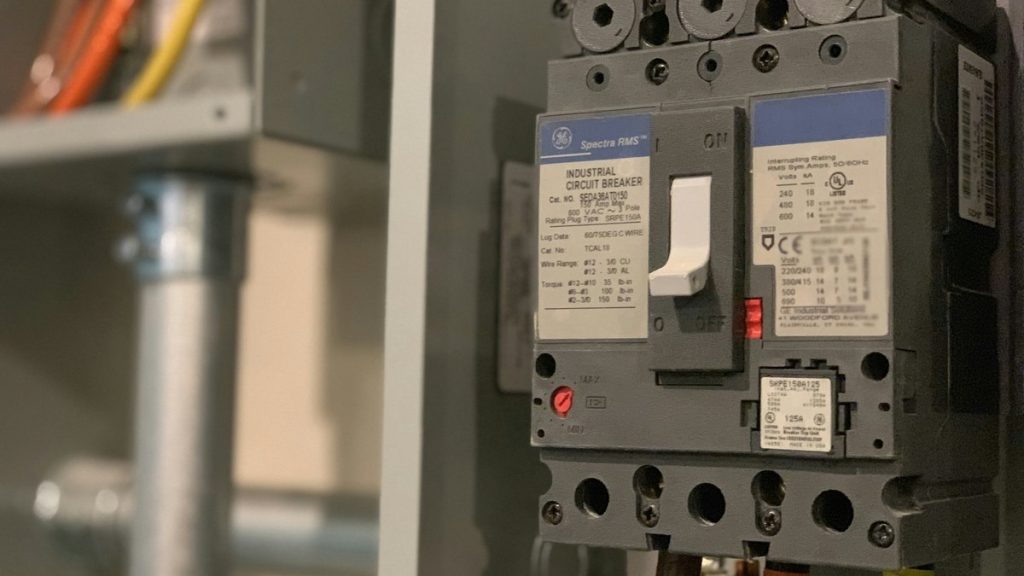
Next, check the breaker panel. A tripped breaker cuts power to its whole circuit, which can leave one outlet dead, or several. The catch is that a tripped breaker often sits in a middle position rather than fully off, so the reliable move is to push the suspect one firmly all the way off, then back on. If it trips straight back, stop and leave it off. That is a fault on the circuit, not a one-off, and it needs an electrician.
A switch you forgot about
Before you assume the worst, check whether a wall switch controls the outlet. In a lot of homes one outlet, or half of one, is wired to a switch so you can run a lamp from the door. If that switch is off, the outlet is just doing what it is told. Flip the nearby switches and see if it wakes up. It is a surprisingly common false alarm.
Loose wiring or a worn-out receptacle
If the GFCIs, breakers, and switches all check out, the cause is usually inside the wall. The wires on the back of the outlet can work loose over time, so the connection fails and the outlet dies without ever drawing enough current to trip the breaker. The receptacle itself may also be worn out after years of use, its contacts no longer completing the circuit. And since outlets are often wired in a chain, a loose connection at one can kill every outlet after it. None of this shows from the front, and none of it is a safe do-it-yourself fix.
The sign that means stop
Here is the one to take seriously. If the dead outlet has scorch marks, looks melted or discoloured, or the faceplate feels warm, stop right there. That is not a simple dead outlet. It is a sign of overheating or a damaged connection, and using it or poking at it is a real risk. Switch off the breaker for that circuit and call an electrician. Same goes if you smell anything hot near it.
What to do
Work through the easy checks first: reset every GFCI, cycle the breaker firmly off and on, and check for a switch that controls the outlet. Those three solve most dead outlets in minutes. If none of them work, or you see any heat, scorching, or smell, leave it to a professional. Finding a loose connection or a failed receptacle inside the wall, or tracing a dead spot back through a chain of outlets, is power outage troubleshooting work, and it is both safer and faster in trained hands.
The takeaway
A dead outlet usually comes down to a tripped GFCI, a tripped breaker, or a switch you missed, and all three you can safely check yourself in a couple of minutes. If those come up empty, the cause is most likely loose wiring or a worn receptacle behind the wall, which is an electrician’s job. And if there is any scorching, melting, warmth, or burning smell, do not troubleshoot at all. Kill the breaker and call for help, because that outlet has gone from annoying to dangerous.
Related reading
- GFCI outlets: what they are and where you need them for why one tripped GFCI can kill several outlets.
- What to do when half the house loses power for when more than one outlet goes dead.
- Signs of a loose electrical connection for the wiring fault behind many dead outlets.
- Power outage troubleshooting to safely find and fix a dead outlet.
Why is one outlet dead when everything else works?
The most common reason is a tripped GFCI outlet elsewhere, since one GFCI often protects several ordinary outlets wired after it. It can also be a tripped breaker, an outlet controlled by a wall switch that is off, or loose wiring or a worn receptacle behind the wall. Start with the GFCIs and breaker.
How do I fix a dead outlet myself?
Try three safe checks. Reset every GFCI outlet in the house, especially in bathrooms, kitchens and outdoors. Cycle the breaker for that circuit firmly off then on. And check whether a wall switch controls the outlet. Those solve most dead outlets. If none work, or you see heat or scorching, call an electrician.
Why is my outlet dead but the breaker is not tripped?
Because the cause is not always at the panel. A tripped GFCI can kill the outlet while the breaker stays on, and loose wiring or a worn receptacle can break the circuit at the outlet without drawing enough current to trip the breaker. A failed outlet upstream can also kill every outlet wired after it.
Can a wall switch make an outlet dead?
Yes. In many homes one outlet, or half of one, is wired to a wall switch so a lamp can be turned on from the door. If that switch is off, the outlet has no power and looks dead. Flipping nearby switches to see if the outlet wakes up is a quick, common fix.
Is a dead outlet dangerous?
Usually not by itself, but it can be a warning. If the outlet has scorch marks, looks melted or discoloured, feels warm, or smells hot, stop using it, switch off its breaker, and call an electrician. Those signs point to overheating or a damaged connection, which is a fire risk, not a simple dead outlet.
Should I open the outlet to check the wiring?
No, not unless you are trained. The wiring behind an outlet is live until the breaker is off, the fault is not always obvious, and a wrong move is dangerous. Once GFCIs, breakers and switches are ruled out, finding loose wiring or a worn receptacle is a job for a qualified electrician.
The next step
If you have reset the GFCIs and the breaker and an outlet is still dead, the fault is behind the wall. Get a free quote or message us, and we will trace the dead outlet to its cause and put it right safely.