

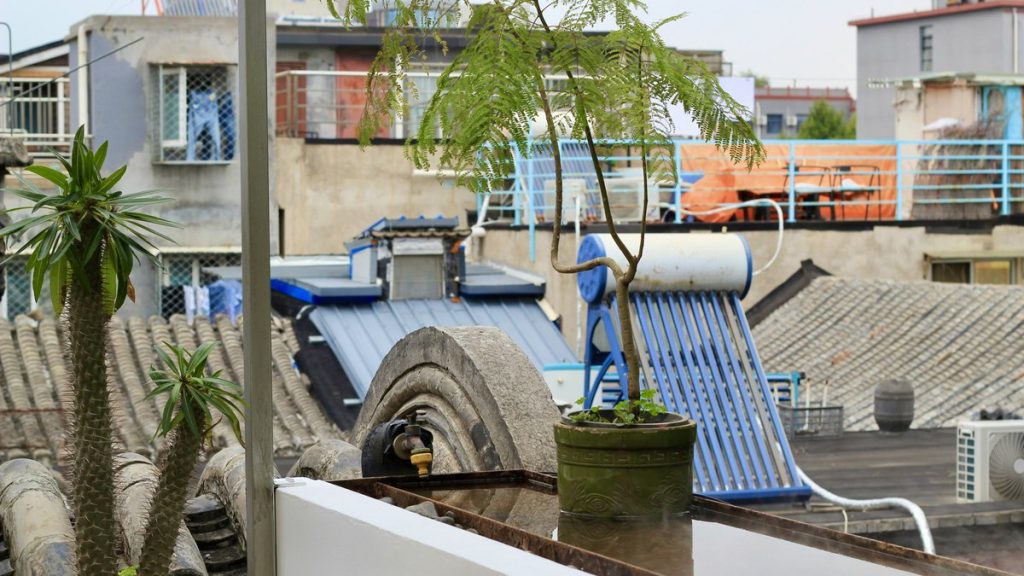
People sometimes use “solar” as if it means one thing, but there are really two different solar systems that might sit on your roof, and they do completely different jobs. A solar water heater turns sunlight into heat for your hot water. Solar panels turn sunlight into electricity for anything. Both are good technology. The question is which one earns its place on your roof, and the honest answer has shifted in recent years.
Two different jobs
A solar water heater, the proper name is solar thermal, is a focused tool. Dark collectors on the roof soak up the sun’s heat and pass it straight to the water in a tank. It does one thing, and it does it very well. You can read how it works on the Wikipedia solar water heating page.
Solar panels, or solar PV, are the all-rounder. They turn sunlight into electricity, which can then run anything in the house: the lights, the fridge, the air conditioning, and yes, a water heater too. One makes heat for a single purpose; the other makes power for every purpose.
Efficiency tells only half the story
On paper, solar thermal wins the efficiency contest hands down. A thermal collector turns roughly 60 to 80 percent of the sunlight hitting it into usable heat, while a solar panel converts only about 18 to 22 percent of it into electricity. So for the narrow task of making hot water, a thermal system squeezes far more out of each square foot of roof.
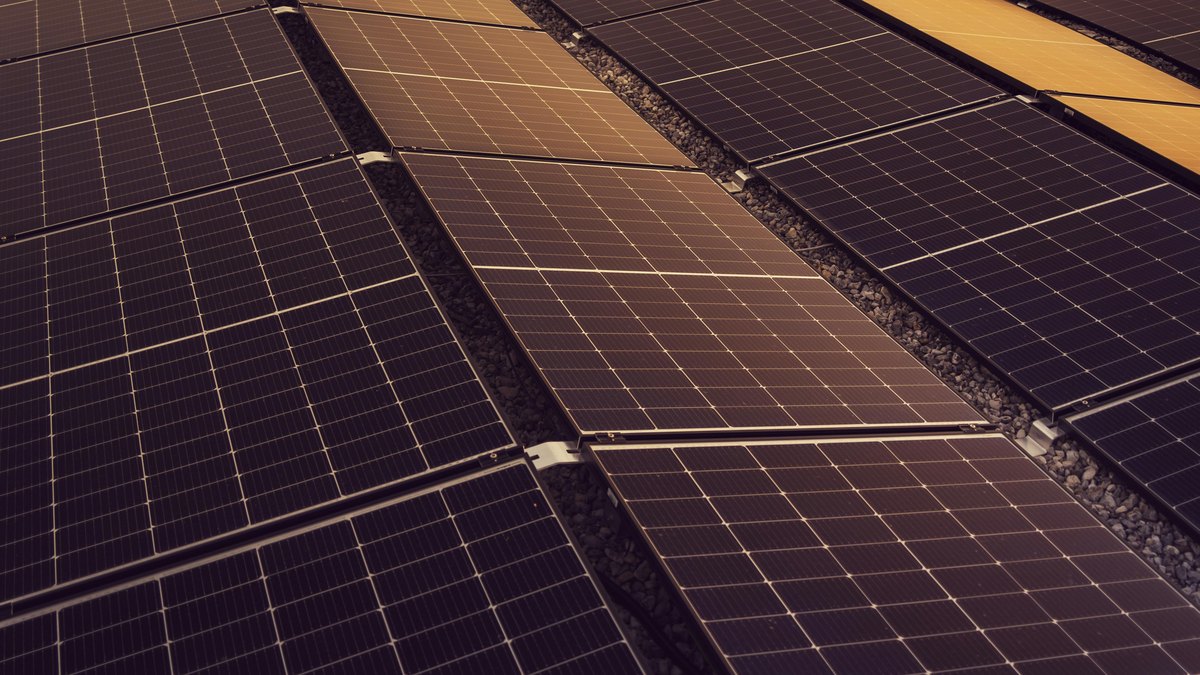
But that number is misleading on its own, because the two are not really competing for the same job. The panel’s electricity is flexible. It heats your water if you point it at the heater, but it also runs everything else, and it can earn or save you money across your whole bill, not just the hot-water slice. Raw efficiency at one task is not the same as overall usefulness.
Cost, lifespan and the modern answer
A dedicated solar water heater is a sound, cost-effective buy if hot water is genuinely your main concern and you use a lot of it. But two things have changed the picture. Solar panels have become much cheaper, and they last longer, typically 25 to 30 years against a solar water heater’s 15 to 20 or so. So if you are already putting panels on the roof, adding a bit more PV and heating your water with that electricity often makes more sense than bolting on a separate thermal system that only ever does one job.
The neat part for us is timing. A water heater is a flexible load you can run in the middle of the day on a timer, drinking straight from your midday solar rather than the grid, which is the most valuable way to use that production, as we cover in solar for a home that is empty during the day. A little oversizing of the array, which we discuss in should you oversize your solar array, gives you the headroom to cover it.
So which should you choose?
If your only goal is hot water, you use plenty of it, and you are not otherwise going solar, a solar water heater is a focused, efficient, cost-effective choice. But if you are going solar PV anyway, or you want the sun to do more than heat water, panels are the more flexible and longer-lasting investment, and they can heat your water as a side job. For most homes weighing both today, a slightly larger PV system that also handles the water heater is the tidier answer than running two separate solar systems.
The takeaway
Solar thermal is the specialist: brilliant at making hot water, and nothing else. Solar PV is the generalist: less efficient at any single task, but able to power your whole home, heat your water on the side, and last longer doing it. The decision comes down to whether hot water is the whole job or just part of it. For most homes today, flexible electricity wins, with the water heater simply timed to run on the midday sun.
Related reading
- Solar for a home that is empty during the day for timing a water heater on midday solar.
- Should you oversize your solar array? for the headroom to heat water with PV.
- Is solar worth it in Jamaica right now? for the bigger solar decision.
- Solar system planning to weigh thermal against PV for your home.
What is the difference between solar water heating and solar electricity?
A solar water heater, or solar thermal, turns sunlight directly into heat for your hot water tank, and does only that. Solar panels, or solar PV, turn sunlight into electricity that can run anything in the house, including a water heater. One makes heat for a single purpose; the other makes flexible power for every purpose.
Which is more efficient, solar thermal or solar PV?
For making hot water specifically, solar thermal wins, converting roughly 60 to 80 percent of sunlight to heat, against a solar panel’s 18 to 22 percent to electricity. But that efficiency is at one narrow task. The panel’s electricity is flexible and saves across your whole bill, so raw efficiency is not the whole story.
Can solar panels heat my water?
Yes. The electricity from solar panels can run an ordinary or heat-pump water heater, so PV heats your water as one of many jobs it does. You can even time the heater to run in the middle of the day so it draws straight from your solar, which is the most valuable use of that production.
Which lasts longer, a solar water heater or solar panels?
Solar panels last longer, typically 25 to 30 years, while a solar water heater usually needs replacing within 15 to 20. Combined with panels having become much cheaper, that longer life is part of why heating water with PV often makes more sense than a separate thermal system.
Should I get a solar water heater or solar panels?
If hot water is your only goal and you use a lot of it, a dedicated solar water heater is efficient and cost-effective. But if you are going solar PV anyway, or want the sun to do more than heat water, panels are more flexible and longer-lasting, and can heat the water as a side job. For most homes weighing both, a slightly larger PV system is tidier.
Is it worth having both a solar water heater and solar panels?
Usually not for an average home, since the panels can already heat the water. Running two separate solar systems duplicates effort and cost. A dedicated thermal system mainly earns its place where hot water demand is very high, such as some businesses. For most homes, one well-sized PV system covers both jobs.
The next step
Not sure whether to heat water with a dedicated system or with panels? Get a free quote or message us, and we will work out which approach fits your hot-water use and your roof best.