

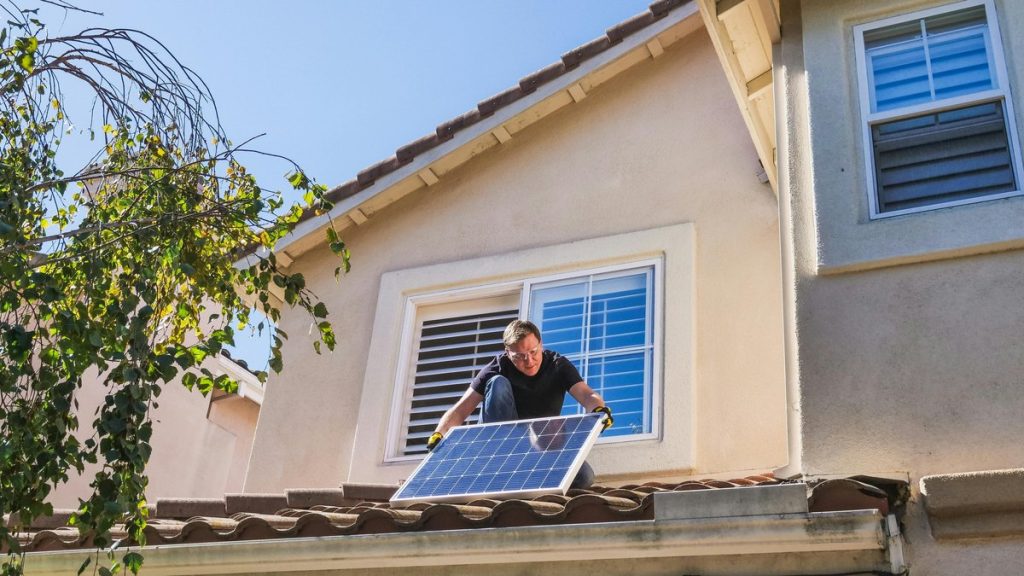
Zinc, the corrugated metal sheeting most Jamaican homes are roofed with, takes solar perfectly well. In some ways it is an easier roof to work with than concrete or tile. But metal has its own rules, and the cost of getting them wrong is either a leak over your bed or, in a storm, panels peeling off the roof. Here is what is worth knowing before you put solar on zinc.
Zinc and solar get along
Solar panels are light, and so is a zinc roof, so weight is rarely the problem people imagine. There are mounting systems made specifically for corrugated metal, so this is a well-trodden path, not an awkward exception. Done properly, the job is straightforward. The catch is entirely in how the panels are fixed and sealed.
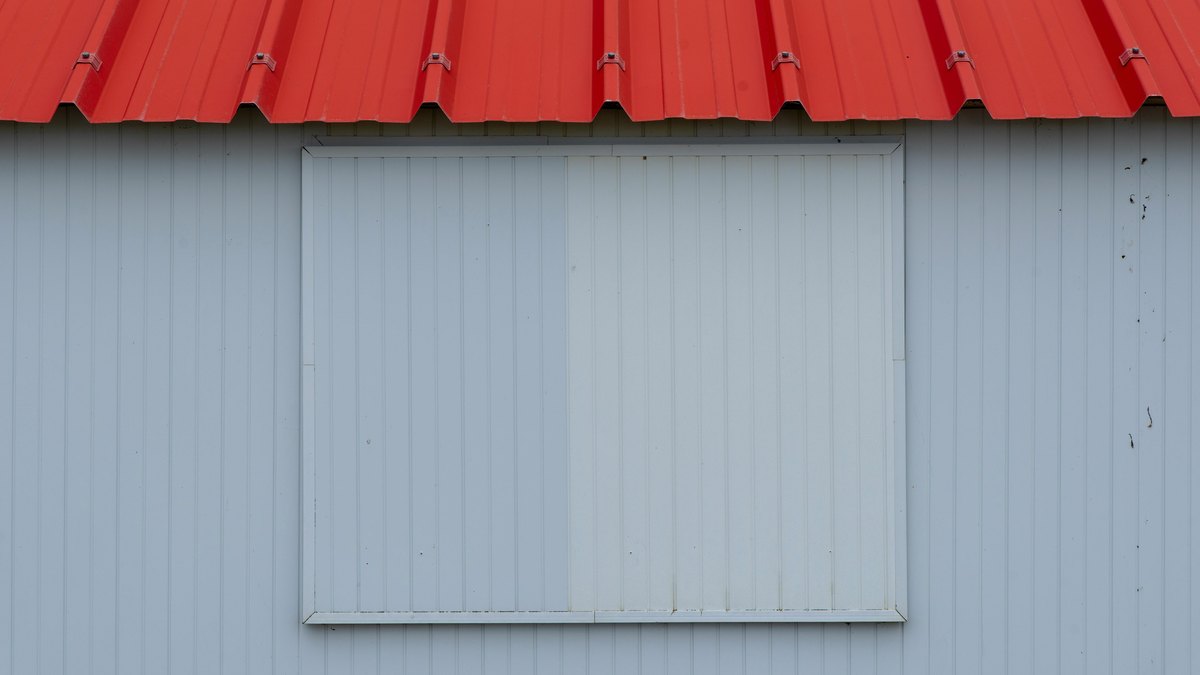
How the panels are fixed
The thin metal sheet itself is not strong enough to hold an array, so the mounting feet do not screw into the sheet alone. They are fixed through the raised ribs of the corrugation into the purlins or framing underneath, which is what actually carries the load. Each fixing uses a sealed gasket washer, and the penetration is sealed properly, because every hole you put in a roof is a leak waiting to happen. Done right, you never know the holes are there. Done cheaply, you find out in the next heavy downpour.
Check the roof’s condition first
This is the part that matters most, and it is the easiest to skip in the excitement of going solar. A solar array is meant to last 25 years or more, so it has no business going on zinc that is rusting, thin, or near the end of its life. If the roof will need replacing in a few years, you do not want to pay to take the panels down and put them back up around it. Sort the roof first, then fit the solar. That is why we always look at the roof’s condition before anything else. You can read about the material itself under corrugated galvanised iron.
Hurricanes and wind
On a light metal roof, how the array is anchored is a safety matter, not just a quality one. The fixings have to reach the framing and be rated to hold against the wind uplift a hurricane brings. A poorly fixed array can lift in a storm and turn into flying debris, which is dangerous to your home and your neighbours. Getting solar storm-ready is part of the job here, the point of protecting your electrics through hurricane season, and on zinc it starts with the mounting.
Earthing and heat
Two more things specific to metal. The roof and the metal mounting frames must be properly bonded and earthed, so the whole assembly is electrically safe. And because a zinc roof gets very hot in the sun, the air gap left under the panels matters, both for the panels’ output and to let the roof breathe, which ties into how long solar panels last in the Caribbean.
Doing it to standard
Like any solar install, a system on a zinc roof must be wired, mounted and protected to standard and pass a Government Electrical Inspectorate inspection before the supply is connected. On a metal roof the mounting and earthing are as much a part of doing it right as the wiring.
What we do here
We install solar on zinc roofs the way it should be done: fixed into the framing with sealed, gasketed penetrations, anchored to hold through a storm, properly earthed, and only after checking the roof is sound enough to carry the system for its full life. The first step is always a look at the roof and a real quote.
Related reading
- How long do solar panels last in the Caribbean? for why the roof needs to last as long as the panels.
- Protecting your electrics through hurricane season for keeping a roof array storm-ready.
- How much roof space does solar need? for fitting an array on your roof.
- Solar installation for solar fitted properly to a zinc roof.
Can you put solar panels on a zinc roof?
Yes. Zinc, the corrugated metal most Jamaican homes use, takes solar well, and there are mounting systems made specifically for it. Panels are light and so is the roof, so weight is rarely an issue. The important parts are how the panels are fixed into the framing and how the holes are sealed against leaks.
How are solar panels fixed to a corrugated metal roof?
The mounting feet are fixed through the raised ribs of the corrugation into the purlins or framing underneath, since the thin sheet itself cannot carry the load. Each fixing uses a sealed gasket washer and the penetration is sealed properly. Done correctly there are no leaks; done cheaply, the holes leak in heavy rain.
Should I check my roof before putting solar on it?
Definitely. A solar array lasts 25 years or more, so it should not go on zinc that is rusting, thin or near the end of its life. If the roof needs replacing soon, do that first, otherwise you pay to remove and refit the panels later. A proper installer assesses the roof’s condition before anything else.
Will solar panels blow off a zinc roof in a hurricane?
Not if they are anchored correctly. The fixings must reach the framing and be rated for hurricane wind uplift. A badly fixed array on a light metal roof can lift in a storm and become dangerous debris, so the mounting is a safety matter. Proper, storm-rated anchoring is essential on zinc.
Does a metal roof need special earthing for solar?
Yes. The metal roof and the metal mounting frames must be properly bonded and earthed so the whole assembly is electrically safe. This is part of a correct install on any metal roof and is checked as part of the inspection, alongside the wiring and protection.
Does the heat of a zinc roof affect the panels?
A zinc roof gets very hot, which is why a proper install leaves an air gap under the panels. That gap helps the panels run a little cooler and produce better, and lets the roof breathe. It does not stop you using a metal roof for solar; it just needs to be mounted with that airflow in mind.
The next step
Solar on zinc is a well-trodden, sound choice when it is fixed into the framing, sealed properly, and anchored for a storm, on a roof that is up to it. Get a free quote or message us, and we will check your roof and fit a system built to stay put and stay dry.