

A GFCI that keeps tripping is one of those problems people want to bully into submission, resetting it over and over, or worse, swapping it for a plain outlet so it finally stops. That is exactly the wrong instinct. A GFCI trips because it has caught current leaking off its proper path, which is the precise danger it exists for. So the trip is usually telling you the truth. Here is what it is trying to say, how to track down the cause safely, and when it is time to call.
What a trip actually means
A GFCI watches the current going out to whatever is plugged in and the current coming back, and the two should match exactly. When a little goes missing, current is escaping somewhere, through a fault in an appliance, through moisture, or through a person. The GFCI cuts the power in a fraction of a second. The Wikipedia residual-current device page covers the principle. The thing to hold onto is that a GFCI does not trip on too much load the way a breaker does. It trips on leakage. So when it goes, it is reporting that electricity is going somewhere it should not.
The usual culprits
A handful of things set a GFCI off, and most of them are real faults rather than the device being fussy.
A faulty appliance is the most common by far. A damaged cord, worn insulation, or a failing motor inside something on the circuit lets a little current leak to ground, and the GFCI catches it. If the trip happens the moment you plug in or switch on one particular device, that device is your prime suspect.
Moisture is the next big one, especially outdoors. Rain, humidity, or condensation getting into an outlet box opens a tiny path for current, and the GFCI reads that leak and trips. It is why outdoor GFCIs trip so much more in wet weather.
Then there is cumulative leakage. Every appliance leaks a minute amount of current, well within safe limits on its own, but load many onto one GFCI circuit and those tiny amounts add up until the GFCI has seen enough. That shows up as random trips on a busy circuit.
When the GFCI itself or the wiring is the problem
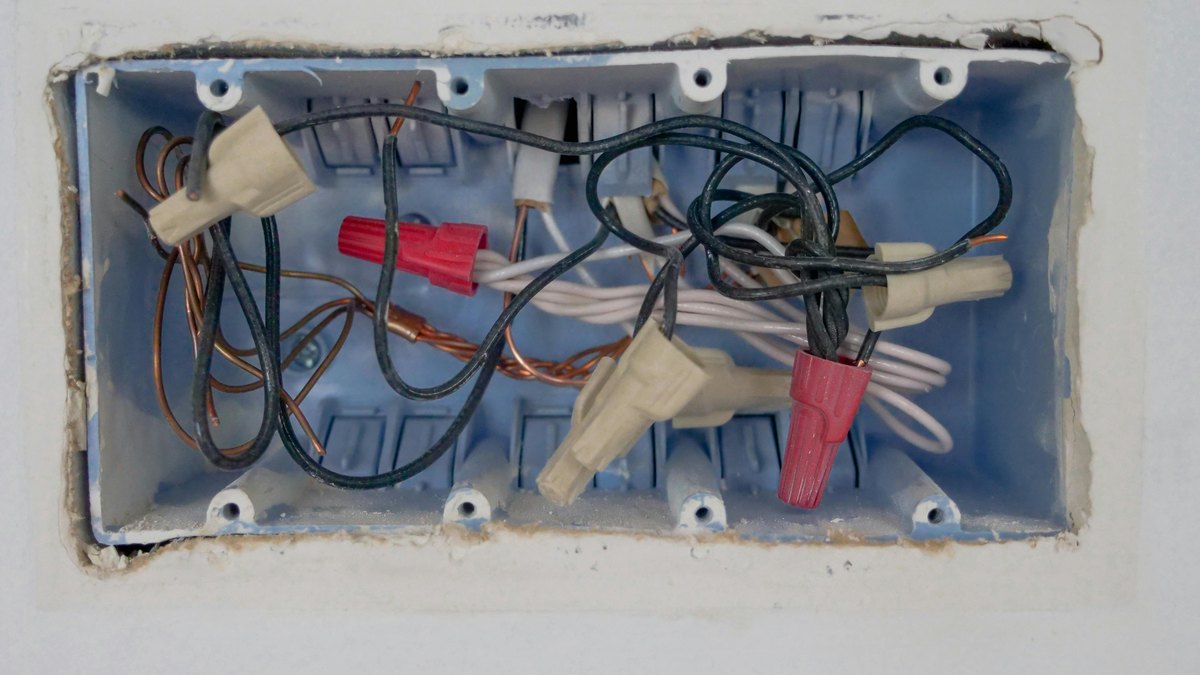
Not every trip is an appliance. A GFCI has a lifespan of its own, usually fifteen to twenty-five years, and a worn or defective one can trip for no real reason or refuse to reset. Faulty wiring is another cause: loose or corroded connections, damaged insulation in the wall, or a GFCI that was miswired at installation can all produce trips that have nothing to do with what is plugged in. The tell is a GFCI that trips with nothing plugged into the circuit at all, or one that will not reset no matter what you try. That points behind the wall, not at your appliances.
How to find the cause safely
The first round of detective work is yours, and it is simple. Unplug everything on the affected circuit, then reset the GFCI. If it holds, plug your devices back in one at a time, giving each a moment, until one trips it. The one that trips it is the one with the leak, and it should be repaired or retired, not forced back into use. If the trip only happens in wet weather on an outdoor outlet, let the box dry out and make sure it has a proper weatherproof cover.
What you should not do is keep resetting a GFCI that keeps tripping, and you should never replace a tripping GFCI with an ordinary outlet to make the problem go away. That does not fix the leak. It just strips out the protection that was catching it. If the GFCI trips with nothing plugged in, will not reset, trips constantly, or you cannot find the device causing it, the cause is most likely the wiring or the GFCI itself, and that is the point to bring in an electrician. Tracing a persistent ground fault is power outage troubleshooting work.
The takeaway
A tripping GFCI is not a faulty nuisance to be silenced. It is a working safety device reporting a real leak. Most of the time the cause is a faulty appliance, moisture in an outdoor box, or too many leaky devices on one circuit, and you can find it by unplugging everything and adding devices back one at a time. When it trips with nothing plugged in or refuses to reset, the trouble is in the wiring or the GFCI itself, and that needs a professional. Whatever you do, do not solve a tripping GFCI by taking the GFCI away.
Related reading
- GFCI outlets: what they are and where you need them for how the device works and where it belongs.
- What causes a dead outlet? for when a tripped GFCI is behind dead outlets elsewhere.
- Water and electricity: hazards around the home for the moisture that often trips outdoor GFCIs.
- Power outage troubleshooting to trace a persistent ground fault safely.
Why does my GFCI keep tripping?
Because it has detected current leaking off its proper path, which is exactly what it is built to catch. The usual causes are a faulty appliance with a damaged cord or failing insulation, moisture in an outlet box, many leaky devices adding up on one circuit, a worn-out GFCI, or faulty wiring. A trip is usually a real warning, not a glitch.
How do I find what is tripping my GFCI?
Unplug everything on the circuit, then reset the GFCI. If it holds, plug your devices back in one at a time until one trips it. That device has the leak and should be repaired or retired. If the outlet is outdoors and only trips in wet weather, let the box dry and fit a proper weatherproof cover.
Why does my GFCI trip with nothing plugged in?
That usually points to the wiring or the GFCI itself rather than an appliance. Loose or corroded connections, damaged insulation in the wall, a miswired GFCI, or a worn-out unit, which typically lasts fifteen to twenty-five years, can all cause trips with nothing connected. This is a case for an electrician.
Can I replace a tripping GFCI with a normal outlet?
No, and it is dangerous. The GFCI is tripping because it is detecting a leak. Swapping it for an ordinary outlet does not fix the leak; it just removes the protection that was catching it, leaving a real shock or fault hazard in place. Find and fix the cause instead.
Why do outdoor GFCIs trip so often in the rain?
Because moisture is one of the most common causes of tripping. Rain, humidity, or condensation getting into the outlet box creates a tiny path for current to leak, and the GFCI reads that leak and cuts power. A weatherproof in-use cover and a dry box reduce these trips, which is the GFCI doing its job in wet conditions.
When should I call an electrician about a tripping GFCI?
When it trips with nothing plugged in, refuses to reset, trips constantly, or you cannot find the device causing it. Those signs point to faulty wiring or a failed GFCI rather than an appliance, and tracing a persistent ground fault safely is a job for a qualified electrician.
The next step
If a GFCI in your home keeps tripping and you cannot find the cause, do not silence it by swapping it out. Get a free quote or message us, and we will trace the leak it is catching and fix the real problem, so your protection stays in place.