


A lot of people buy a surge protector and assume their electronics are covered. For one kind of threat, the split-second spike, fair enough. But the voltage swings our grid hands out are a different problem, and a surge protector does almost nothing about them. Voltage sagging low for a minute, or sitting too high for a stretch, wears out and kills equipment just as surely as a spike, only slower. So here is what voltage swings actually do, and the gear that handles them.
Swings are not the same as surges
A surge, or spike, is a brief, violent jump in voltage lasting a tiny fraction of a second, and a surge protector is built to clamp exactly that. A voltage swing is a sustained change: the voltage drifting too low for seconds or minutes, which is a sag or brownout, or sitting too high for a stretch. Because these last far longer than a spike, a surge protector just passes them through to your equipment. The Wikipedia brownout page) covers the low-voltage side. The short version: protecting against surges and protecting against swings are two different jobs, and most homes only do the first.
What swings do to your equipment
Low voltage is the sneaky one. When the voltage sags, motors do not get the push they need, so they pull more current to do the same work, and that extra current makes heat. Over time it cooks the compressor in a fridge or an air conditioner and shortens its life, usually with no dramatic moment you can point to. Sustained high voltage does the opposite kind of harm, forcing more energy into electronics than they were built for and ageing power supplies and boards faster than they should. Neither shows up as a bang. They show up as appliances that quietly die years too early.
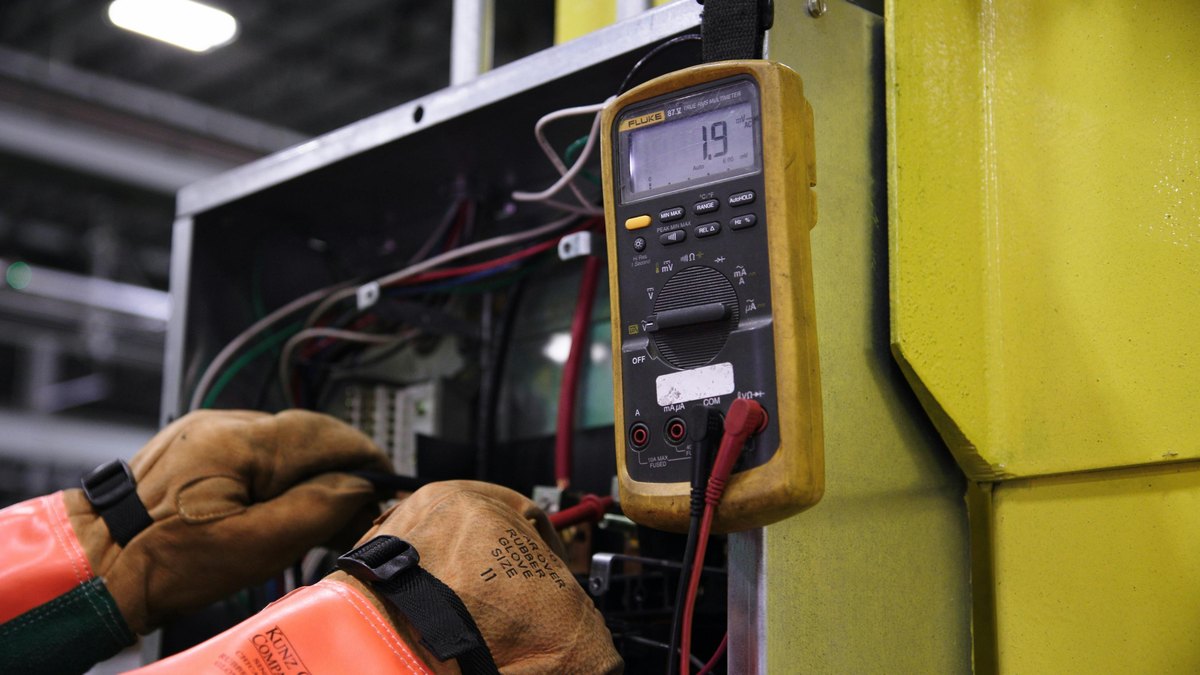
The voltage stabiliser, or AVR
The tool built for swings is the automatic voltage regulator, also called an AVR or voltage stabiliser. It sits between the wall and your equipment and constantly watches the incoming voltage. When the voltage runs high, it bucks it down; when it sags low, it boosts it up, holding the output inside a safe band. It does this all the time, without a battery, so it is the right answer when your main problem is voltage that will not sit still. For a home or office full of sensitive electronics on a swinging supply, an AVR is the piece most people are missing.
The UPS, for swings and outages together
A UPS, an uninterruptible power supply, adds a battery so your equipment keeps running through an outage. A basic UPS on its own is about backup, not voltage quality, but a line-interactive UPS has an AVR built in. That combination is ideal for a computer, or anything you cannot afford to have blink off: it smooths the swings and carries the device through the moment the power cuts. As a bonus, by handling minor voltage problems without firing up the battery, the built-in AVR saves the battery for real outages and helps it last longer.
Voltage guards for big appliances
For motor-driven appliances like a fridge, freezer, or air conditioner, the simple and popular protection is a voltage-protection device, usually called a voltage guard. It watches the supply, cuts power to the appliance when the voltage strays too far high or low, then waits a set delay before reconnecting once things settle. That delay matters, because it stops a compressor being slammed on and off as the voltage hunts around. For the appliances brownouts punish hardest, a voltage guard is cheap insurance.
Putting it together
These tools handle different threats, and the strongest setup layers them. Surge protection deals with spikes, an AVR or stabiliser deals with sustained swings, a UPS adds ride-through for outages, and voltage guards protect the big motor loads. You do not need all of it everywhere. You match the protection to the equipment. The first step, though, is knowing what your supply is actually doing, because the right fix depends on whether you are seeing spikes, sags, high voltage, or all three. Measuring that, then recommending and fitting the right protection, is what voltage diagnosis is for. And remember, all of it still leans on a proper earth behind it.
The takeaway
A surge protector guards against the spike and nothing else. JPS voltage swings, the sustained sags and the steady over-voltage, slip right past it and quietly wear out motors and electronics. To cover them you need the right tool: an AVR or voltage stabiliser for swinging voltage, a line-interactive UPS where you also need outage backup, and voltage guards on the big appliances like the fridge and air conditioner. Start by finding out what your supply is really doing, then protect the equipment that matters with the device built for the job.
Related reading
- Surge protection: whole-home vs power strips for the spikes that surge protection does handle.
- Why proper earthing protects your appliances for the earth all this protection depends on.
- Why do my lights flicker when the AC turns on? for a sign of voltage dips in your own home.
- Voltage diagnosis to measure your supply and fit the right protection.
Does a surge protector protect against voltage swings?
No. A surge protector is built to clamp a brief, violent spike that lasts a fraction of a second. A voltage swing is a sustained change, the voltage sagging low or sitting high for seconds or minutes, and a surge protector passes that straight through to your equipment. Swings need different protection.
What does low voltage do to appliances?
When voltage sags, motors do not get the push they need, so they draw more current to do the same work, which makes heat. Over time that overheats and shortens the life of compressors in fridges and air conditioners, usually with no dramatic moment, just an appliance that fails years too early.
What is an AVR or voltage stabiliser?
An automatic voltage regulator, or AVR, sits between the wall and your equipment and constantly watches the incoming voltage. It bucks the voltage down when it runs high and boosts it up when it sags, holding the output in a safe band. It works continuously without a battery, making it the right tool for an unstable supply.
Do I need an AVR or a UPS?
It depends on your problem. An AVR stabilises voltage but has no battery, so it handles swings, not outages. A line-interactive UPS has an AVR built in plus a battery, so it smooths voltage and carries equipment through a power cut. For a computer you cannot let blink off, a line-interactive UPS is ideal.
How do I protect a fridge or air conditioner from voltage swings?
Use a voltage-protection device, often called a voltage guard. It cuts power to the appliance when the voltage strays too high or low, then waits a set delay before reconnecting once it is safe. That delay stops the compressor being slammed on and off, which is exactly what brownouts otherwise do.
How do I know what protection my home needs?
Start by measuring what your supply is actually doing, since the right fix depends on whether you are seeing spikes, sags, high voltage, or all three. An electrician can diagnose your voltage and recommend the right mix of surge protection, an AVR or stabiliser, a UPS, and voltage guards, all over a proper earth.
The next step
If your appliances keep dying early or your electronics act strangely when the power dips, JPS voltage swings may be the hidden cause. Get a free quote or message us, and we will measure what your supply is doing and fit the right protection so your equipment stops paying the price.