

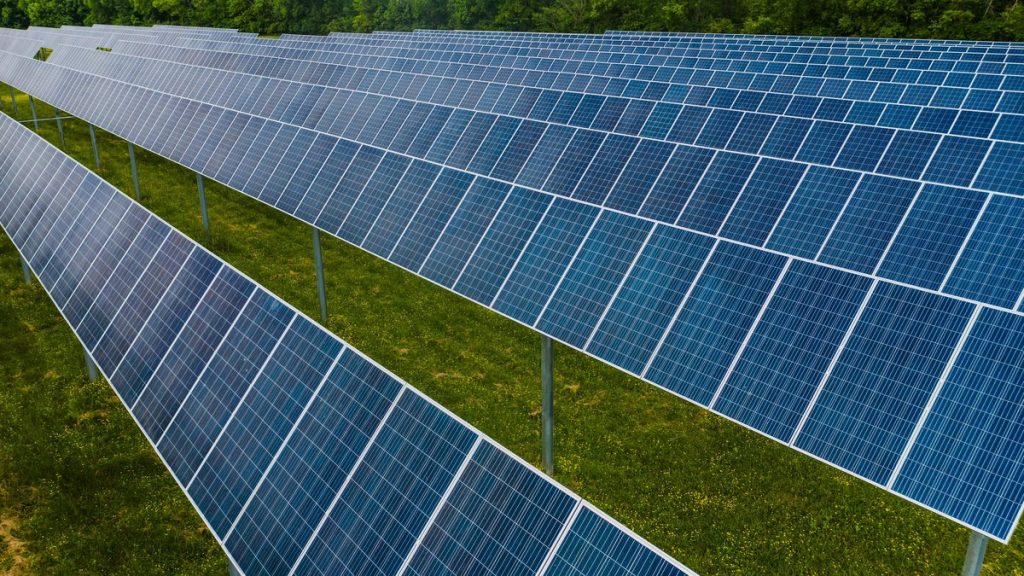
When people picture solar, they picture panels on a roof, and for good reason: that is where most of it goes. But the roof is not the only option. If you have a bit of land, panels can sit on a frame in the yard instead. Each approach has real strengths, and the right one depends on your roof, your space and your budget. Here is the honest comparison.
Roof-mount: cheaper and tidier
Roof-mount wins on the two things most people care about most. It is cheaper, because it uses your existing roof as the foundation rather than needing concrete footings and steel frames built up from the ground. And it uses space you were not using anyway, leaving your yard free. The permitting path is usually simpler too. For the large majority of homes, those advantages make the roof the obvious choice. You can see the mounting options on the Wikipedia photovoltaic mounting system page.
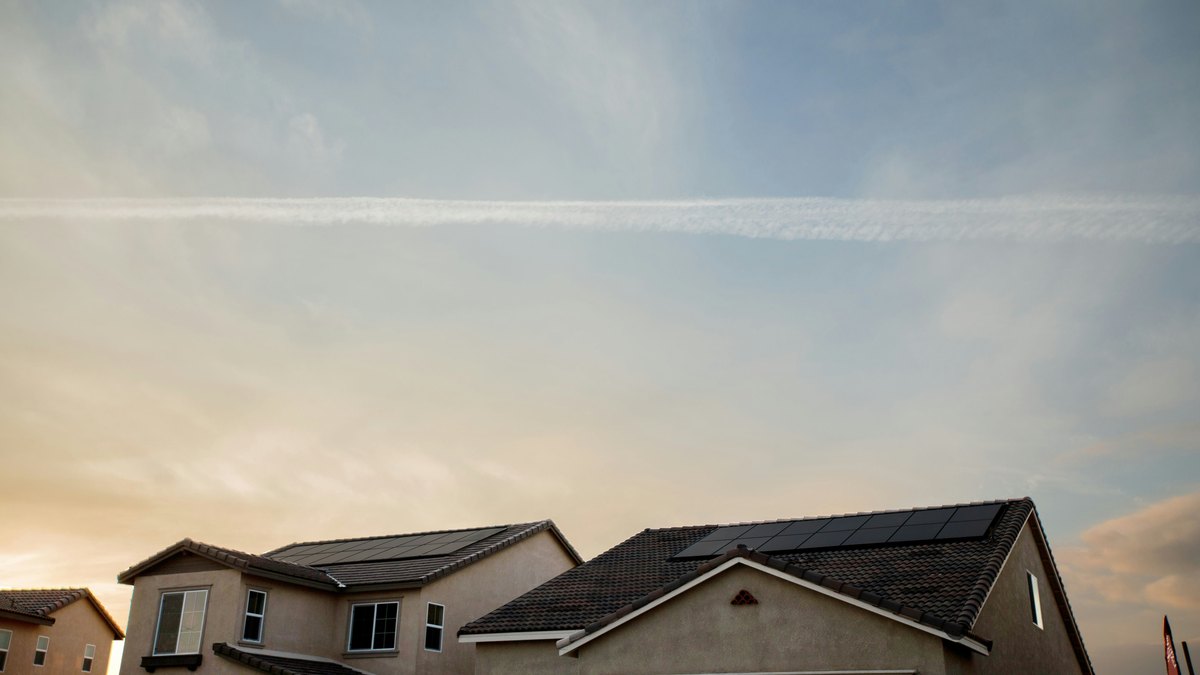
Ground-mount: cooler, cleaner, kinder to the roof
Ground-mount costs more to build, but it earns that back in ways that matter in our climate. Because the panels sit open on all sides, air flows freely underneath and they run cooler, and a cooler panel is a more efficient panel, which counts for a lot in our heat, as we cover in how solar panels handle heat and humidity. They can also be tilted to the ideal angle rather than whatever your roof happens to be.
The bigger everyday wins are cleaning and access. Panels at ground level are far easier and safer to clean and inspect, with no climbing onto a hot roof, which is no small thing given how much our dust makes cleaning matter, covered in cleaning and maintaining solar panels in Jamaica. And crucially, a ground array does not touch your roof at all, so the condition of the roof never comes into it.
The roof condition question
That last point is a big one here. A solar array is meant to last 25 years or more, so you do not want to bolt it to a roof that needs replacing in five. If your roof is old, or it is aging zinc, putting a long-life array on it means paying to remove and reinstall the whole system when the roof finally goes. We get into this in will solar damage my roof and solar on a zinc roof: what to know. A ground-mount sidesteps the whole issue, which can make it the smarter choice for a home with a tired roof and a bit of land.
Both must be built for our wind
One thing applies to both, and it is not optional here: the mounting has to be engineered for hurricane-force wind. A roof array must be fastened to the structure properly, and a ground array needs footings and framing rated to stay put in a storm. This is not the place to cut corners with either approach, and it is a core part of a proper installation.
So which should you choose?
For most homes, roof-mount is the practical answer: cheaper, space-saving, and fine on a sound roof. Ground-mount earns its higher cost when you have the land and want cooler, better-producing, easier-to-clean panels, or when your roof is not a good long-term host. Plenty of Jamaican properties have the yard space to make ground-mount genuinely worth considering, so it is worth weighing rather than assuming the roof by default.
The takeaway
Roof-mount is cheaper and uses space you are not otherwise using, which is why most homes choose it. Ground-mount costs more but runs cooler, cleans more easily, produces a little more, and leaves your roof out of it entirely. The deciding factors are usually your budget, whether you have spare land, and the state of your roof. Either way, the mounting must be built to ride out a storm.
Related reading
- Will solar damage my roof? for why roof condition matters before you mount.
- How solar panels handle heat and humidity for why cooler ground-mounts can edge ahead.
- Cleaning and maintaining solar panels in Jamaica for the access advantage of ground-mount.
- Solar installation to work out which mounting suits your property.
Is ground-mount or roof-mount solar better?
It depends on your situation. Roof-mount is cheaper and uses space you are not otherwise using, which is why most homes choose it. Ground-mount costs more but runs cooler, is easier to clean, can be tilted ideally, and spares your roof. If you have spare land or an aging roof, ground-mount is worth considering.
Why is roof-mount cheaper?
Because it uses your existing roof as the foundation, rather than needing concrete footings and steel frames built up from the ground. It also uses space you were not otherwise using and usually follows a simpler permitting path. Those savings are why roof-mount is the choice for the large majority of homes.
Do ground-mounted panels really produce more?
They can. Sitting open on all sides, ground-mounted panels get more airflow and run cooler, and cooler panels are more efficient, which matters in our heat. They can also be tilted to the ideal angle rather than matching the roof. The gain varies, but cooler, well-angled panels do tend to produce a little more.
Are ground-mounted panels easier to clean?
Yes, much. Panels at ground level can be cleaned and inspected without climbing onto a hot roof, which is safer and simpler. Given how much our dust makes regular cleaning worthwhile, easy access is a real everyday advantage of ground-mount over roof-mount.
Should I avoid roof-mount if my roof is old?
Be cautious. A solar array is meant to last 25 years or more, so mounting it on a roof that needs replacing in five means paying to remove and reinstall the system when the roof goes. If your roof is old or aging zinc, a ground-mount, or replacing the roof first, often makes more sense.
Do both types need to handle hurricanes?
Yes, and it is not optional here. A roof array must be fastened to the structure properly, and a ground array needs footings and framing rated to stay put in storm-force wind. Hurricane resilience is a core part of a proper installation for either mounting, and not somewhere to cut corners.
The next step
Roof or yard? We will help you decide. Get a free quote or message us, and we will look at your roof, your space and your budget and recommend the mounting that gets you the most solar for the money.