

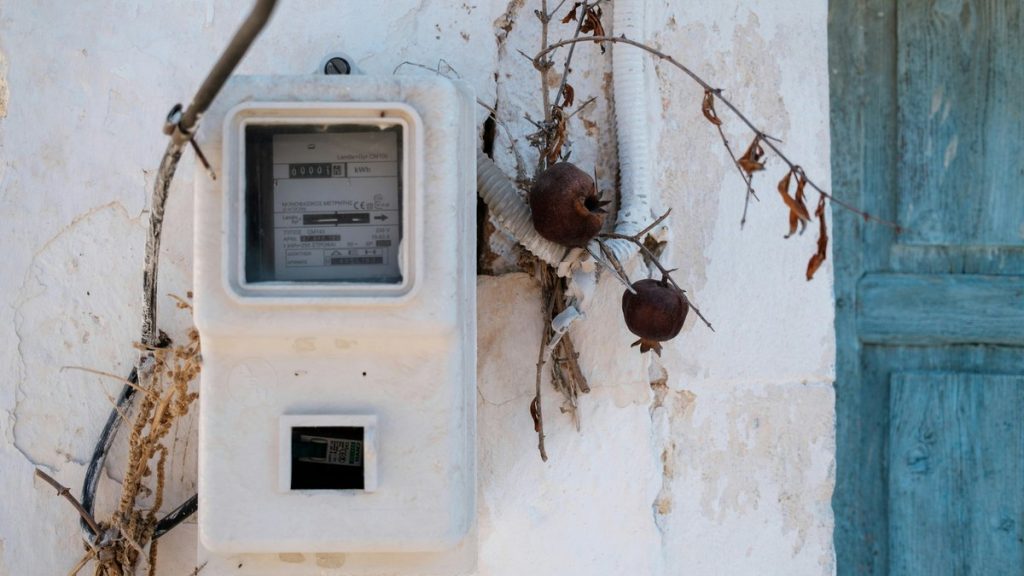
A lot of homes here run on a panel that was put in years ago, sized for the loads of the day and never meant to have solar bolted onto it. So a fair question before you go solar is whether your existing panel can take it. Sometimes the answer is a straightforward yes. Sometimes the panel needs attention first. Here is what actually decides it, in plain terms.
Why the panel matters at all
A grid-tied solar system does not only draw power, it pushes power back into your panel, and that panel has a limit to how much current its internal bar, the busbar, can safely carry. Add too much without checking and you can overload that bar, which is a fire risk. That is the whole reason an installer looks hard at your panel before quoting, and it is why this is never a do-it-yourself job on a live panel. You can see how a panel is laid out on the Wikipedia distribution board page.
The rule of thumb installers use
There is a well-known guideline, often called the 120 percent rule, that captures the idea. In short, the solar feed plus your main breaker should not push the busbar past about 120 percent of its rating. Take a common example: a panel with a 200 amp busbar and a 200 amp main breaker leaves room for roughly a 40 amp solar breaker, which works out to a fairly modest system. Many solar and battery setups want more than that, so the panel becomes the limiting factor rather than the roof.
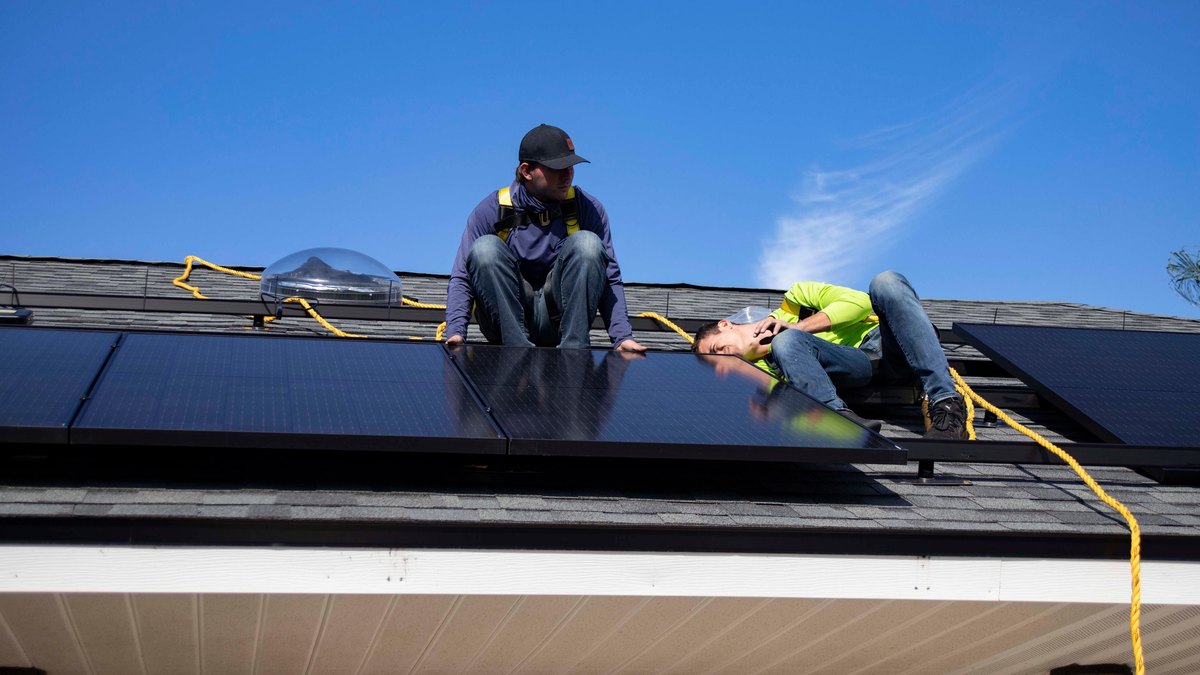
The exact figures and code details are for your installer to work through, but the principle is simple: a panel can only safely accept so much backfed solar, and a smaller older panel has less headroom.
What trips up older panels
Older panels run into this sooner for a few reasons. They tend to be a smaller rating to begin with, so there is less spare capacity. They are often already full, with no free slots for the new solar breaker. And plenty have simply aged: corroded busbars, obsolete or discontinued breaker types, or signs of heat damage that you would not want to build a new system on top of. If your panel shows any of the warning signs, it is worth reading signs your breaker panel needs upgrading before going further.
Your options when the panel is too small
If the panel cannot take your desired system, you are not stuck. There are a few routes, and the right one depends on the panel and the system size. The main breaker can sometimes be derated to free up headroom. The solar can be tied in ahead of the panel with a supply-side connection. Or, often the cleanest answer for a tired old panel, you upgrade to a modern, solar-ready panel with a larger busbar and spare slots, which also clears any aging issues at the same time. An installer weighs these against the cost and your plans, including whether you might add batteries later, which we cover in can you add batteries to an existing solar system.
Do not forget the inspection
One more Jamaican reality: a grid-tied system has to pass a Government Electrical Inspectorate check before JPS will connect it. An older panel that is overloaded, unsafe or non-compliant can hold that up, so dealing with the panel properly is not just about fitting the solar, it is about getting the whole system signed off and connected without delays.
The takeaway
Connecting solar to an older panel comes down to two things: how much spare capacity the busbar has, and what condition the panel is in. A modest system on a sound panel can often go straight in. A larger system, a full panel, or a worn-out one usually means upgrading the panel first, which is money well spent because everything else is built on it. The only way to know your case is to have the panel assessed before you commit to a system size.
Related reading
- Signs your breaker panel needs upgrading for spotting a panel that needs work first.
- What is an automatic transfer switch? for the wiring side of backup and solar.
- Can you add batteries to an existing solar system? for planning ahead at the panel.
- Panel and breaker work to assess and, if needed, upgrade your panel for solar.
Can I connect solar to an old electrical panel?
Often yes, but it depends on the panel. A grid-tied system pushes power back into the panel, and the busbar can only safely carry so much. If the panel has spare capacity and is in good condition, a modest system can connect straight in. A small, full or worn-out panel may need upgrading first.
What is the 120 percent rule?
It is a guideline installers use: the solar feed plus the main breaker should not push the busbar past about 120 percent of its rating. For example, a 200 amp busbar with a 200 amp main leaves room for roughly a 40 amp solar breaker. The exact figures are for your installer, but the principle limits how much solar a panel can take.
Why do older panels cause problems for solar?
They are often a smaller rating with less spare capacity, frequently already full with no free slots, and sometimes aged, with corroded busbars, obsolete breakers or heat damage. Any of these can mean there is no safe room for the solar breaker, or that the panel should be replaced before building a new system on it.
What are my options if the panel is too small?
A few. The main breaker can sometimes be derated to free up headroom, the solar can be connected ahead of the panel with a supply-side tap, or you can upgrade to a modern solar-ready panel with a larger busbar and spare slots. An installer chooses based on the panel, the system size and your future plans.
Will an old panel affect my solar inspection?
It can. A grid-tied system must pass a Government Electrical Inspectorate check before JPS connects it, and an overloaded, unsafe or non-compliant panel can hold that up. Dealing with the panel properly is part of getting the whole system signed off and connected without delays, not just fitting the solar.
Can I connect the solar breaker myself?
No. Work inside a live electrical panel carries serious shock and fire risk, and a backfed solar breaker has to be sized and placed correctly to be safe and to pass inspection. This is a job for a qualified installer who assesses the panel first, not a do-it-yourself task.
The next step
Not sure if your panel can take solar? Get a free quote or message us, and we will assess your panel first and tell you honestly whether it is ready or needs an upgrade before the system goes in.