

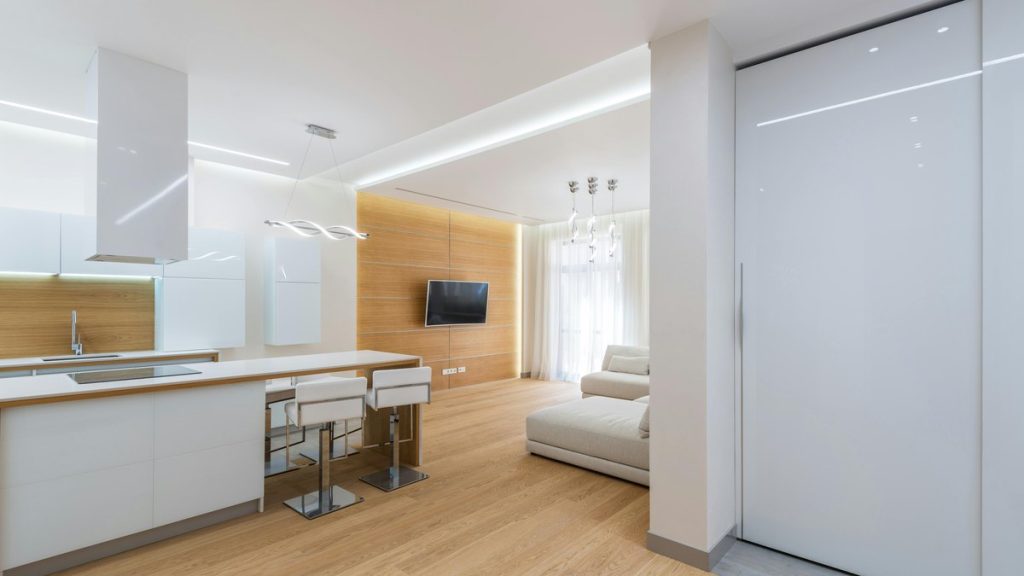
Here is a problem a lot of working households share. The panels make their power in the middle of the day, but the house is locked up and empty then, with everyone out at work or school. The cooking, the laundry, the TV, the air conditioning all happen in the evening, after the sun is down. So your solar is busiest exactly when you need it least. That mismatch does not mean solar is a bad idea for you. It means you have to design around it. Here is how.
What actually happens to your daytime power
When your panels make more than the empty house is using, the surplus does not vanish. It flows out to the grid, and JPS credits you for it. The catch is the rate. Under net billing you get paid for exports at the avoided-cost rate, which is well below the retail rate you pay when you buy power back in the evening. We break that down in how JPS net billing credits are calculated.
So an empty-day home that just exports everything ends up selling its power cheap at noon and buying it back dear at night. You still save, but you leave money on the table. For a house like yours, the whole game is to stop doing that.
Option one: a battery
The cleanest fix is storage. A battery soaks up the surplus your panels make during the empty daytime hours and holds it, so that when you come home and switch everything on, the house runs off your own stored solar instead of buying expensive grid power. You are using your production at full retail value to yourself rather than exporting it for a fraction.
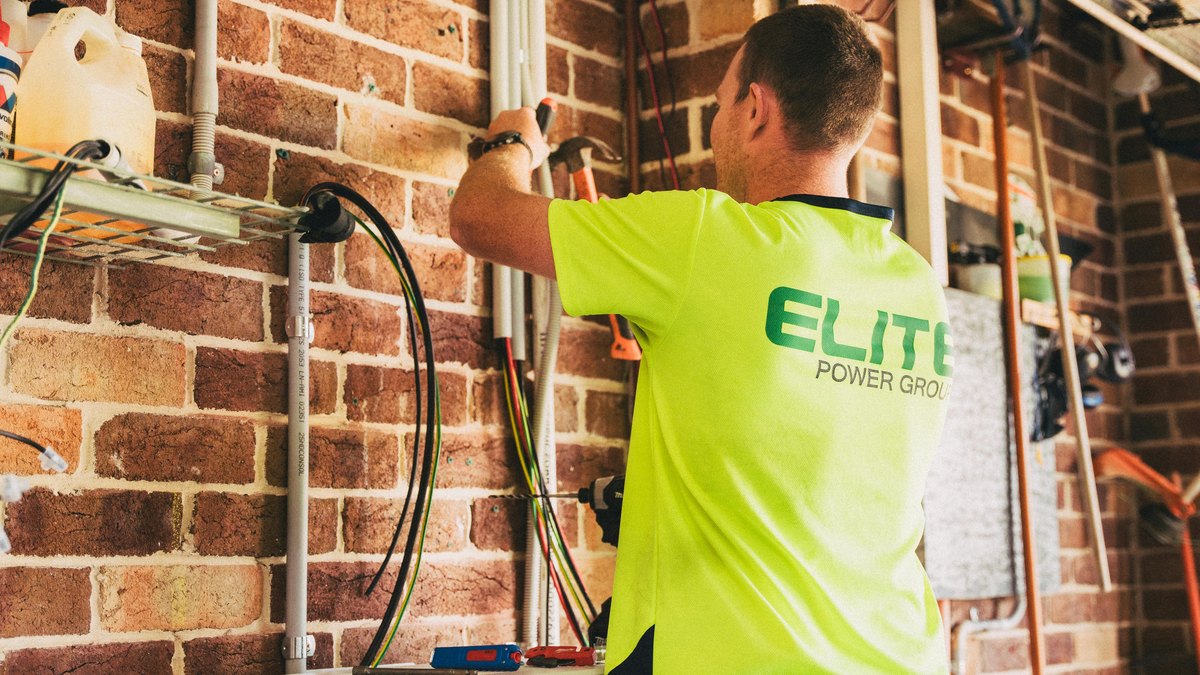
For a home that is empty by day and busy by night, a battery is often the single thing that makes the numbers work properly, because it bridges that exact gap. It does add cost, so it is worth sizing it to your real evening usage rather than overbuilding. We cover the lifespan and types in how long do solar batteries last.
Option two: shift your heavy loads into the day
You can also come at it from the other side: move some of your big power users into the sunny hours, even with nobody home. A timer or a smart plug can run the water heater, the pool pump or the washing machine in the middle of the day, so they drink straight from the panels instead of from the grid at night. If you have an electric vehicle, daytime charging is the same trick on a bigger scale. None of this needs anyone in the house; it just needs a bit of scheduling.
Done well, load-shifting turns a chunk of what would have been cheap exports into full-value self-use, and it costs almost nothing to set up.
Option three: size it sensibly
Because export is worth less to you, there is little point bolting on a huge array whose extra output you would only ever sell cheap. A home that is empty during the day is usually better served by a system sized to cover its real evening and night use through a battery, rather than one built to maximise raw daytime generation. That keeps your money working where the value actually is. We go through this in how to size a solar system for your electricity bill.
The honest takeaway
An empty-day house is not a reason to skip solar. It is a reason to lean on a battery and a bit of load-shifting rather than relying on export credits. Get those right and you capture your daytime production at its full value instead of selling it back to JPS for less. The mismatch is real, but it is a design problem with good solutions, not a deal-breaker. You can read more about the principle on the Wikipedia net metering page.
Related reading
- How JPS net billing credits are calculated for why exported power is worth less than what you self-use.
- Do you still get a JPS bill with solar? for the bigger billing picture.
- How long do solar batteries last? for the storage that bridges day and night.
- Battery and inverter support to add storage that captures your daytime solar.
Is solar worth it if my house is empty all day?
Yes, but the design matters. With nobody home by day, your panels make power when you use little, so most of it would be exported at the lower avoided-cost rate. Leaning on a battery and shifting heavy loads into daylight hours lets you capture that production at full value instead, which is what makes the numbers work.
What happens to my solar power when no one is home?
It flows out to the grid as surplus, and JPS credits you at the avoided-cost rate, which is well below the retail rate you pay buying power back in the evening. So an empty-day home that simply exports everything is selling cheap at noon and buying dear at night, which leaves value on the table.
Do I need a battery if I am out during the day?
For a home empty by day and busy at night, a battery is often the single thing that makes solar pay properly. It stores the daytime surplus and releases it in the evening, so the house runs off your own stored solar rather than expensive grid power. Size it to your real evening usage rather than overbuilding.
Can I use my solar during the day without being home?
Yes. Timers and smart plugs can run big loads like the water heater, pool pump, dishwasher or washing machine in the middle of the day, so they draw straight from the panels. An electric vehicle can charge then too. None of this needs anyone in the house, just a bit of scheduling, and it costs almost nothing to set up.
Should I get a bigger system since I export so much?
Usually not. Because exported power earns the lower avoided-cost rate, there is little value in a huge array whose extra output you would only sell cheap. A home empty by day is better served by a system sized to cover its real evening use through a battery, keeping your money where the value actually is.
What is load-shifting?
It means moving your heavy power users into the sunny hours so they run on solar instead of grid power at night. A timer or smart plug can start the water heater, pool pump or laundry at midday while the house is empty. Done well, it turns cheap exports into full-value self-use for almost no cost.
The next step
If your house sits empty through the sunny hours, the right design makes all the difference. Get a free quote or tell us about your day, and we will plan a system, with storage if it pays, that captures your solar instead of giving it away.