

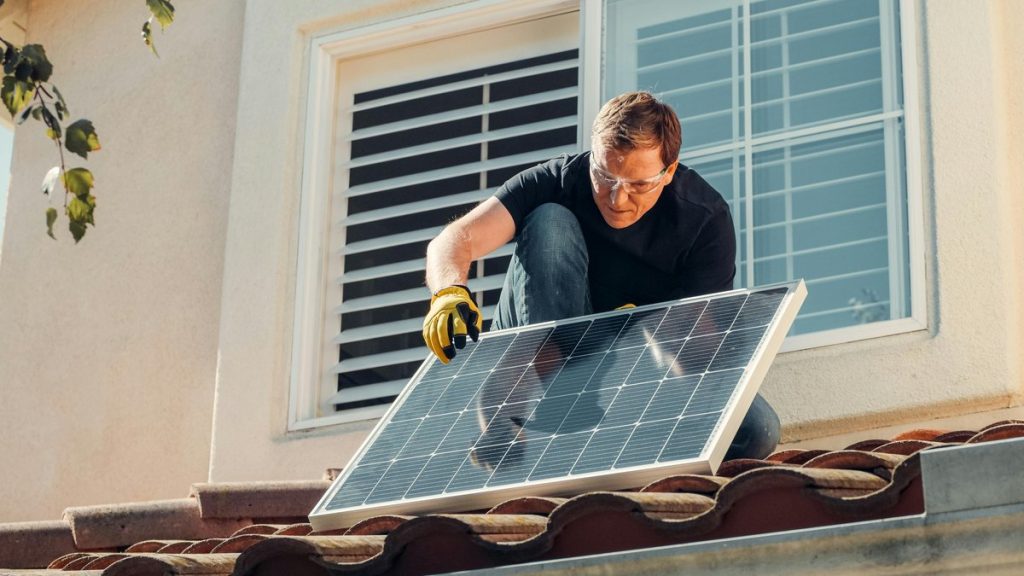
The number you see everywhere is 25 to 30 years. It is not wrong, but it comes from cooler, milder places than the Caribbean. Our heat, humidity, strong sun and salt air are harder on a panel than the conditions those figures assume, so the real answer here depends almost entirely on what you buy and how it is installed. Here is the honest picture.
The baseline figure
A good solar panel is built to last 25 to 30 years. It does not stop working at the end of that, it just slowly makes a little less each year. In normal climates that fade is around half a percent a year, so a panel is still putting out roughly 80 percent of its original power after 25 years, which is what most manufacturer warranties promise. You can read the basics under solar panel. That is the temperate-world number, though, and we do not live in a temperate world.
Why the Caribbean is harder on panels
Constant heat, high humidity, fierce UV and, near the coast, salt air all age a panel faster than a mild climate does. Studies in tropical conditions have measured panels fading several times quicker than the warranty rate. Salt is the worst of it. Unprotected, low-grade panels near the sea can fail in as little as five to seven years, while properly chosen, well-sealed panels shrug off the same air for decades. The climate does not doom solar here, but it punishes anything cheap or poorly fitted.
So it comes down to quality and install
This is the part that matters. A quality panel, sealed and rated for heat and humidity, and near the coast a marine-grade one, installed and earthed properly with good airflow underneath, will go the distance even in our conditions. A bargain panel slapped onto a coastal roof will not. The Caribbean is exactly where cutting cost on the hardware comes back to bite you in a few years, so buy for the climate you actually have.
Two other things to know
Heat also trims day-to-day output, separate from lifespan. Panels make a little less when they are very hot, which is why good mounting leaves an air gap so they are not baking flat against the roof. And remember that the panels are usually not the first thing to need replacing. The inverter generally has a shorter life, as we cover in what an inverter actually does in a solar system, so plan on replacing it once over the life of the panels.
The honest takeaway
In the Caribbean, expect quality panels that are properly installed to last decades, and expect cheap ones not to. The 25 to 30 year figure is achievable here, but only if the hardware is chosen for our heat and salt and put up correctly. Buy for the climate, not for the lowest sticker price, and the lifespan looks after itself.
Related reading
- What an inverter actually does in a solar system for the part that usually needs replacing first.
- Is solar worth it in Jamaica right now? for how a long lifespan feeds the payback.
- Grid-tie, hybrid and off-grid solar explained for choosing the right system around those panels.
- Solar installation for solar chosen and fitted to last in our climate.
How long do solar panels last in the Caribbean?
A good, properly installed panel should still last 25 to 30 years here, the same as the standard figure. The catch is that our heat, humidity, UV and salt age panels faster than mild climates, so reaching that lifespan depends on buying quality hardware rated for the conditions and having it installed correctly. Cheap or poorly fitted panels last far less.
Do panels really degrade faster in tropical heat?
Yes. In normal climates panels fade about half a percent a year, but studies in tropical heat and humidity have measured several times that. The panels keep working, they just lose output faster than the warranty assumes. Quality panels with good sealing hold up far better than budget ones, which is why the choice of panel matters here.
Does salt air near the coast shorten panel life?
Significantly, if the panels are not made for it. Unprotected, low-grade panels near the sea can fail in as little as five to seven years, while marine-grade, well-sealed panels handle the same salt air for decades. On the coast, choosing corrosion-resistant hardware is the difference between a system that lasts and one that does not.
Does heat reduce how much power my panels make?
Yes, but that is separate from lifespan. Panels produce a little less when they are very hot, which is why good installs leave an air gap beneath the panels so they are not baking flat against the roof. The drop is modest and normal; it does not mean anything is wrong with the system.
What part of a solar system fails first?
Usually the inverter, not the panels. Good panels can run for decades, but inverters generally have a shorter working life and are the first component most systems need to replace. It is sensible to budget for one inverter replacement over the life of the panels rather than expecting the whole system to last untouched.
Is it worth paying more for better panels here?
In the Caribbean, yes. This is exactly the climate where cheap hardware shows its weakness early, through heat, humidity and salt. Spending a bit more on quality panels rated for the conditions, and on a proper install, is what lets the system reach the long lifespan that makes solar pay off in the first place.
The next step
Reaching the long end of that 25 to 30 year range in our climate comes down to the right panels, chosen for heat and salt, and a proper install. Get a free quote or message us, and we will spec a system built to last where you actually live.