

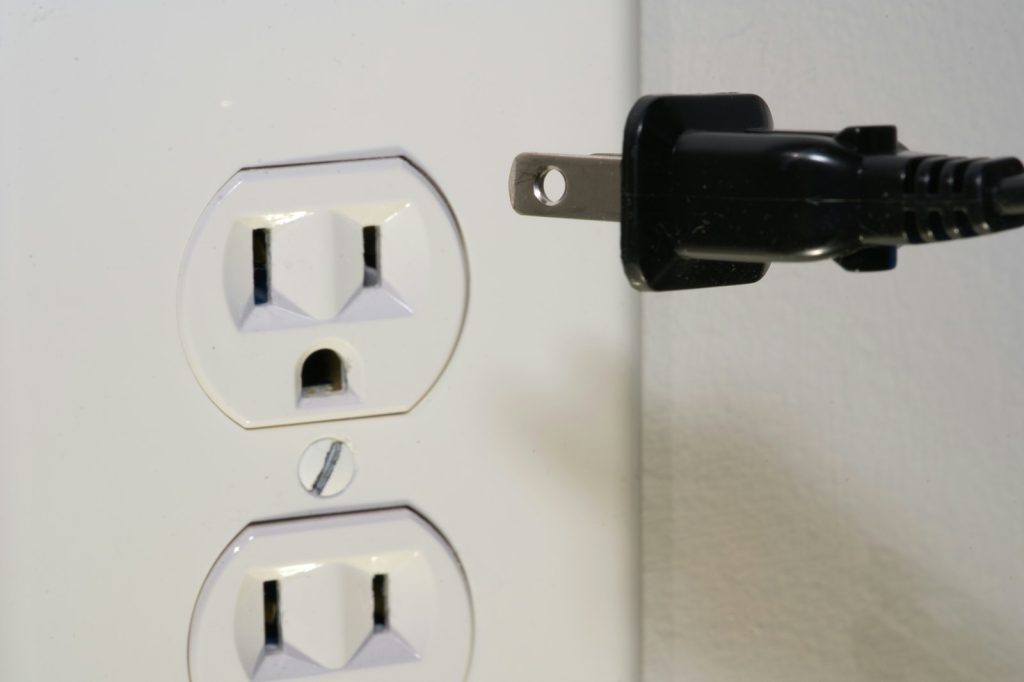
Most electrical problems can wait a day or two for an appointment. This is not one of them. A burning smell coming from an outlet, or scorch marks and melted plastic around one, means something is overheating right now, and overheating is the short road to an electrical fire. What you do in the next few minutes matters. So we are putting the steps first and the explanation after.
If there is already smoke or flame, or the wall feels hot, skip straight to getting everyone out and calling the fire service. Everything else can wait.
Do this right now, in order
1. If you can reach it safely, unplug whatever is in the outlet. If a single appliance is the obvious source and you can pull its plug without touching anything hot or damaged, do it. If that means putting your hand near scorched plastic or you are not sure, leave it and go to step two instead.
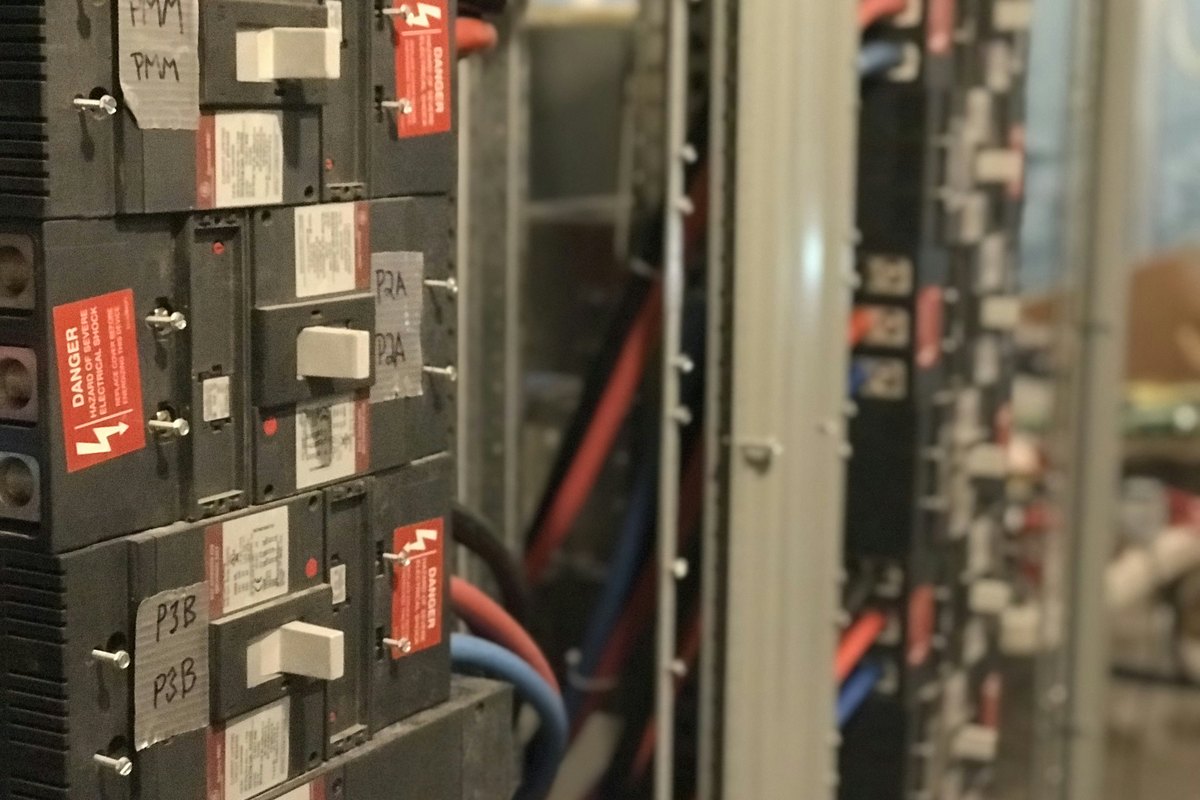
2. Cut the power at the breaker. Go to your breaker panel and switch off the breaker for that room or circuit. If you cannot tell which one it is, do not waste time guessing. Switch off the main breaker and kill power to the whole house. Sitting in the dark for an hour beats a fire.
3. Check for active danger. With the power off, use the back of your hand to feel the wall around the outlet. If the wall is hot, if you see smoke, or if you spot any flame, get everyone out of the house and call the Jamaica Fire Brigade on 110 from outside. An electrical fire can be spreading inside the wall where you cannot see it. Do not try to be a hero with a cup of water; water and electricity are a deadly mix, and if power is still on anywhere, you do not know what is live.
4. Leave that outlet alone. Once an outlet has overheated, the parts inside are damaged, full stop. Do not plug anything back in to “test” whether it still smells. Do not use it again until an electrician has been.
5. Call an electrician, even if the smell fades. This is the step people skip, and it is the dangerous one. A burning smell that goes away has not fixed itself. The damage is still there, usually somewhere you cannot see, waiting for the next time that circuit is loaded. Get it inspected.
One thing not to do, ever
If a breaker tripped at the same time you noticed the burning smell, do not reset it. We mean it. That breaker did its job and cut the power for a reason. Flipping it back on can deliver exactly the surge needed to turn a hot connection into a flame. Leave it off and call us. A tripped breaker plus a burning smell is the system begging you to stop.
What that smell actually is
People often describe it as burning plastic, and sometimes as a fishy or urine-like smell. That fishy note is real and worth knowing, because it is the smell of certain plastics and wire insulation cooking. Your nose is giving you an early warning before there is any flame, so trust it.
The outlet itself does not have to look dramatic. Sometimes there is obvious blackening, melted plastic or a discoloured wall plate. Other times it looks fine and only smells wrong, or just feels warm. An outlet should never be warm to the touch in normal use. Warm is already a problem.
Why it happens
Understanding the cause helps you see why this is not a small thing.
Most overheating at an outlet comes down to a loose connection. Inside the outlet, or in the wires feeding it, a connection that is not tight creates resistance, and resistance turns electricity into heat at that one spot. Over time that heat chars the plastic and the smell starts. A loose connection can also arc, throwing tiny sparks that are more than hot enough to start a fire inside the wall.
The other common cause is simple overload. Too much plugged into one circuit, especially through cheap multi-plug adapters and daisy-chained extension cords, pulls more current than the wiring was meant to carry, and the whole run heats up. Older outlets that have been plugged and unplugged for twenty years also wear loose inside and start to overheat on their own.
None of these fix themselves. They get worse every time that circuit is used.
Why you should not just swap the outlet yourself
It is tempting to think you can buy a new outlet, fit it, and move on. Two problems with that. First, the damage is often not in the outlet at all but in the wiring behind it or further back along the circuit, where a new faceplate hides the real fault. A good electrician can use a thermal camera and proper testing to find where the heat is really coming from. Second, working on a circuit that has been arcing and overheating, possibly with damaged insulation, is not a safe place to learn. The wires can stay live, and you cannot always tell by looking. This is exactly the kind of fault we find and fix in power outage and fault finding.
Stopping it before it starts
You cannot prevent every fault, but you can stack the odds in your favour. Do not overload outlets, and be honest about how many adapters and extension cords are feeding off one socket. Replace outlets that feel loose when you plug something in, that are discoloured, or that are simply old. And if your home is more than a couple of decades old and has never been looked at, a periodic inspection catches loose connections and tired wiring before they announce themselves with a smell. If your breakers also trip often, that is a related warning sign worth reading about in why your breaker keeps tripping.
Related reading
- Why does my breaker keep tripping? for the related warning sign of an overloaded or faulted circuit.
- Signs your breaker panel needs upgrading because heat and scorching at the panel are the same danger one level up.
- Power outage and fault finding for how we trace overheating and hidden faults safely.
What should I do first if I smell burning from an outlet?
If you can do it safely, unplug whatever is in the outlet. Then go to your breaker panel and switch off the breaker for that circuit, or the main breaker if you are not sure which one it is. Once the power is off, check the wall for heat, smoke or flame, and leave the outlet unused until an electrician has inspected it.
Is a burning smell from an outlet an emergency?
Treat it as one. A burning smell means something is overheating, which is the start of an electrical fire. If the wall feels hot, or you see smoke or flame, get everyone out of the house and call the Jamaica Fire Brigade on 110 from outside. Even if there is no visible danger, cut the power and call an electrician.
Should I reset the breaker if it tripped and I smell burning?
No. If a breaker tripped at the same time as the burning smell, leave it off. The breaker cut the power to protect you, and resetting it can deliver the surge that turns a hot connection into a fire. Leave it off and call an electrician.
Why does my outlet smell like fish or burning plastic?
That smell is overheating plastic and wire insulation cooking. The fishy or burning-plastic note is an early warning before any flame appears, usually caused by a loose connection arcing or a circuit being overloaded. Trust it and act, because the smell can appear before any visible damage.
Can I just replace the outlet myself?
It is not recommended. The real fault is often in the wiring behind the outlet, not the outlet itself, so a new faceplate can hide a live problem. The circuit may also have damaged insulation and stay live in ways you cannot see. An electrician can find the source with proper testing and fix it safely.
The smell went away on its own. Do I still need an electrician?
Yes. A burning smell that fades has not repaired itself; the damaged connection or wiring is still there and will overheat again the next time the circuit is loaded. A professional inspection is needed to find and fix the cause before it becomes a fire.
The next step
If you have smelled burning or found a scorched outlet, cut the power and get it checked. Do not wait for it to happen again. Get in touch for a quote or message us, and we will trace the fault, find where the heat is really coming from, and make the circuit safe.