

There is one question that decides more about a solar system than panel count or brand: do you add batteries, or not? It is the biggest fork in the road, and people often pick a side without realising they are answering two completely different questions at once.
One question is “how do I lower my JPS bill?” The other is “how do I keep the lights on when the power cuts?” Those are not the same goal, and the right system depends on which one matters more to you. Here is how the two setups actually work, what they cost you, and how to tell which one fits.
Grid-tie only: cheaper, simpler, no backup
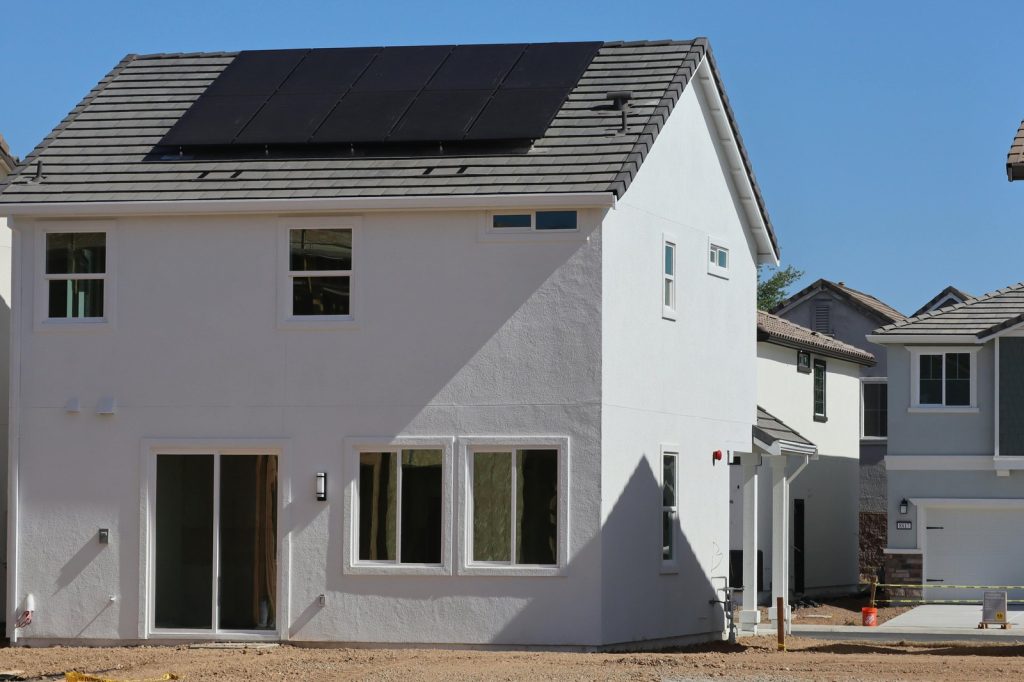
A grid-tie system is solar in its most straightforward form. Panels on the roof, a grid-tie inverter, and a connection to JPS. During the day the panels power your house and send any surplus to the grid for a credit. At night, or when the panels are not keeping up, you draw from the grid as normal.
In effect, the grid is your battery. You bank credits when you produce extra and draw them down when you need to, all without owning any storage. That keeps the system cheaper to buy, simpler to install, and lighter on maintenance, because there is no battery bank to wear out and replace. For a lot of homes whose only goal is a smaller bill, this is the sensible choice.
The catch nobody mentions until the power goes
Here is the part that surprises people. A grid-tie system shuts down during a power cut. Completely. Even at noon on a blazing sunny day, when your panels could be making plenty of power, the system switches off the moment JPS goes down.
That is not a fault. It is a safety feature called anti-islanding. When the grid fails, linesmen may be working on the wires to fix it, and a solar system pushing power back onto those lines could injure or kill them. So the inverter is required to detect the outage and disconnect immediately. The result is real: a plain grid-tie system gives you zero backup. When JPS goes, your solar goes with it.
For some households that is fine. For others, in a country where outages are not exactly rare, it defeats half the reason they wanted solar.
Solar with batteries: power through the outage
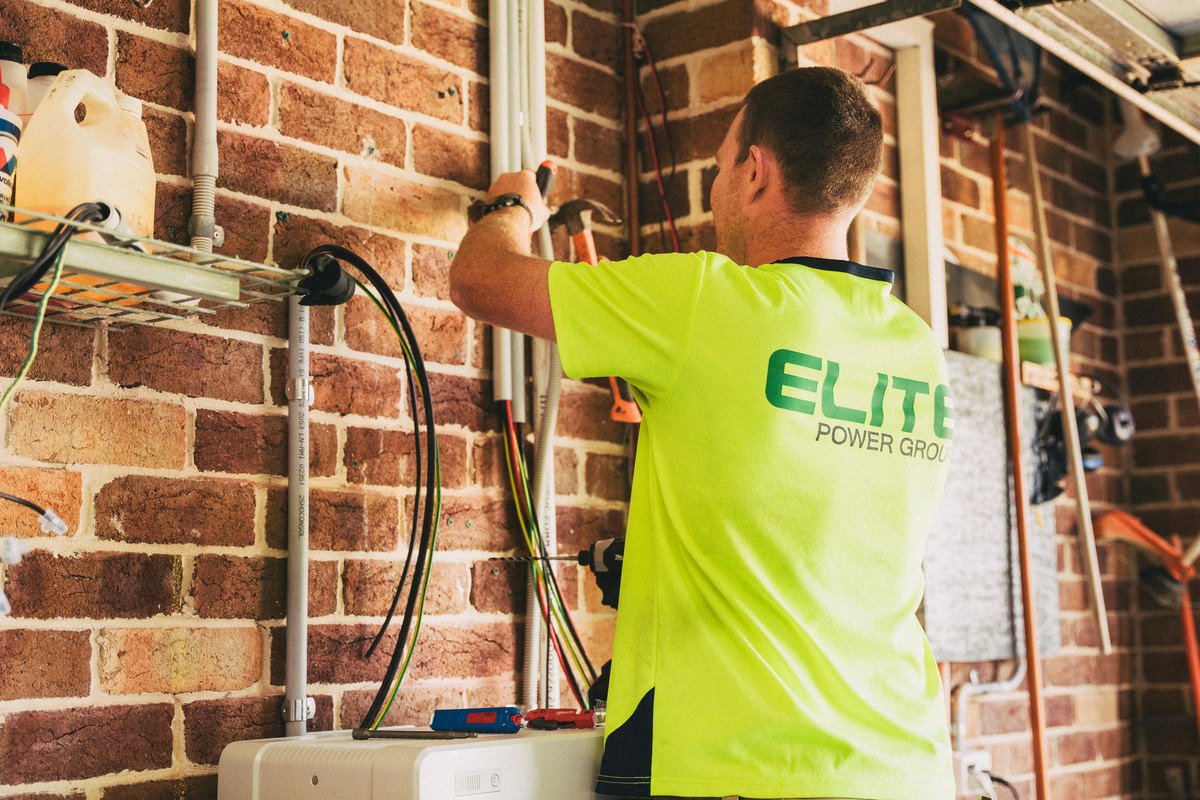
A battery system, usually built around a hybrid inverter, changes that. When the grid is up, it behaves much like a grid-tie system, powering your house and topping up the battery. When the grid goes down, the hybrid inverter still disconnects from the grid for safety, but instead of shutting off it switches to running your home from the battery, and it can keep the panels working too. You ride through the outage.
In most homes you do not back up the whole house. An electrician sets up a separate critical-loads panel, the circuits you actually need when the power is out: the fridge, some lights, fans, the router, maybe a bedroom socket for a fan or a medical device. Sizing the battery to those essentials keeps it affordable while still keeping life normal during a cut.
The honest cost difference
Batteries are not a small add-on. They are usually the single most expensive part of a solar system, and they change the economics in three ways.
They cost a lot up front, often adding a large chunk to the total. They wear out, with a typical battery bank needing replacement after roughly ten years, while good panels keep going far longer. And they lose a little energy on every charge and discharge cycle, so a unit you store and use later is worth slightly less than a unit you use straight from the panels.
None of that makes batteries a bad idea. It just means they buy you something specific, backup power, and you should go in knowing what you are paying for rather than assuming storage is free energy security.
The Jamaican twist
Two local facts push the decision around. First, outages here are common enough that backup has real value, which tilts more people toward batteries than you might see in a place with a rock-solid grid. Second, because JPS net billing pays you less for exported power than you pay to buy it back, a battery does double duty. It is not only backup; it also lets you store your cheap daytime solar and use it yourself in the evening instead of selling it low and buying it back high.
So in Jamaica a battery often earns its keep on two fronts at once. That still does not make it free, but it shifts the maths in its favour compared with somewhere exports are paid at full retail.
How to choose
Strip away the sales talk and it comes down to a few honest questions.
Grid-tie only is probably right if your main goal is a lower bill, your budget is tight, and you can live with the solar going off during a cut the same way the rest of the street does.
Batteries are probably worth it if riding through outages matters to you, if you work from home, run a small business, keep medication cold, or simply hate sitting in the dark and heat every time JPS blinks. They are also worth a hard look if you want to squeeze the most value out of your own power under net billing.
There is also a middle path. You can install a hybrid-ready inverter now and add batteries later when the budget allows, or fit a smaller battery that backs up only the essentials rather than the whole house. We weigh all of this up in solar system planning and handle the storage side in battery and inverter support.
Related reading
- How JPS net billing actually works for why batteries can add value beyond backup.
- Is solar worth it in Jamaica right now? for the bigger payback picture.
- Battery and inverter support for how we size and install storage for outages.
Does grid-tie solar work during a power cut?
No. A plain grid-tie system shuts down during an outage, even on a sunny day, because of an anti-islanding safety rule that stops solar from feeding power onto the lines while linesmen may be working on them. If you want power during outages, you need a battery system.
What is the difference between grid-tie and a battery (hybrid) system?
Grid-tie solar uses the grid as its storage: you export surplus for credit and draw back at night, with no backup during outages. A battery or hybrid system adds storage and a hybrid inverter, so when the grid fails it safely disconnects and keeps running your home from the battery. Grid-tie is cheaper; batteries give you backup.
Do I need to back up my whole house with batteries?
Usually not. Most homes use a critical-loads panel that backs up only the essentials, such as the fridge, some lights, fans and the router. Sizing the battery to those loads keeps the cost down while still keeping daily life going through an outage.
How much more does a battery add to a solar system?
Batteries are usually the most expensive single part of a solar system and add a significant amount to the total. They also wear out, with a typical bank lasting around ten years, and they lose a little energy on each charge and discharge. The exact figure depends on how much backup you want, so it is best costed against your needs.
Are batteries more worth it in Jamaica?
Often, yes. Outages here are common enough that backup has real value, and because JPS net billing pays less for exported power than you pay to buy it back, a battery lets you use your own daytime solar in the evening instead of selling it cheap. That double benefit tilts the maths more in favour of storage than in places with full-retail export rates.
Can I start with grid-tie and add batteries later?
Yes. Installing a hybrid-ready inverter from the start lets you add batteries later when the budget allows, without replacing the core equipment. Some homes also fit a smaller battery that backs up only essential circuits. Planning for it up front is cheaper than retrofitting everything later.
The next step
The right answer here is personal: it depends on your budget, how often your area loses power, and what you cannot stand to have go dark. Get a free quote or message us, and we will walk you through grid-tie, battery and hybrid options honestly, and size whatever fits your life rather than the biggest sale.