

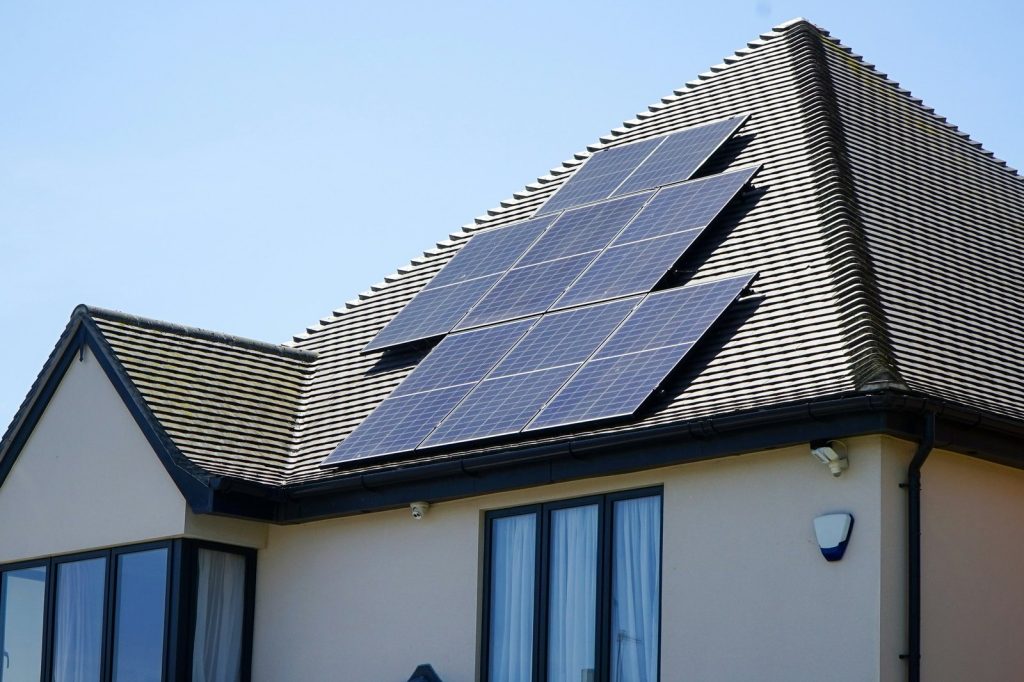
Here is the idea most people walk in with: put up solar panels, the meter spins backwards, and JPS pays you the same rate they charge you. Sell at retail, buy at retail, break even on every unit. It is a tidy picture, and it is wrong for Jamaica.
What we have here is called net billing. The gap between that and the meter-spinning-backwards version makes a real difference to how much you save and how you should size a system, so it is worth getting straight before you spend a dollar. None of it is complicated once someone lays it out plainly.
Net billing is not net metering
These two terms get used as if they mean the same thing. They do not.
Net metering is the meter-runs-backwards version. You are credited for exported power at the same rate you pay for imported power, one for one. Jamaica does not use this.
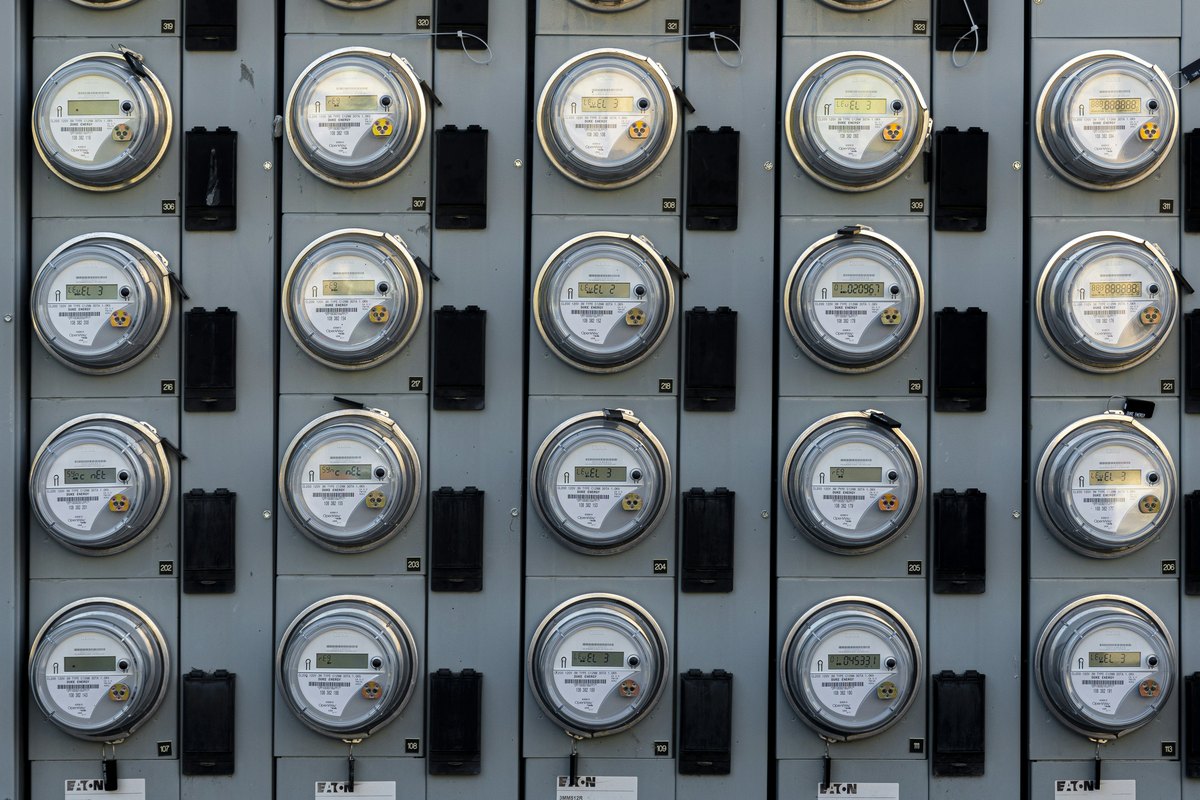
Net billing, which is what JPS runs, keeps two separate prices. You buy electricity from JPS at the normal tariff rate, the same rate as any other customer. You sell your excess solar back at a different, lower rate set by the regulator. So a unit you export is not worth the same as a unit you import. That single fact drives every smart decision about a solar system here.
How it works, step by step
During the day your panels generate power. First, that power feeds whatever your house is using right then, the fridge, the fans, the air conditioner. That is the part that saves you the most, because every unit you use as you make it is a unit you did not have to buy from JPS at the full tariff rate.
If your panels make more than you are using at that moment, the surplus flows back to the grid. JPS measures it and credits you for it at the net billing rate. Those credits offset the cost of the electricity you buy back later, at night or on a dull day, when the panels are not keeping up.
So your bill becomes a running tally: full-price power you bought, minus credits for the cheaper power you sold. You are still a JPS customer with a connection and a bill. You are just generating a large slice of your own supply.
The two prices, and why they matter
The price you pay JPS is the standard tariff rate. The price they pay you for exports is the net billing energy rate, and it is built differently. It is based on what the regulator calls the short-term avoided cost, which mostly tracks the cost of the fuel JPS would otherwise burn to make that power, plus a premium of 15 percent for renewable energy. Because it follows fuel costs, the rate is recalculated regularly rather than fixed. In one recent published period it worked out to around 12 dollars and change per unit, but treat any single figure as a snapshot, not a promise, because it moves.
The takeaway is simple. The power you use yourself is worth the full tariff you avoided paying. The power you export is worth the lower net billing rate. Self-use beats export, every time.
That is not a reason to avoid solar. It is the reason to size and design the system around your own usage rather than trying to flood the grid with cheap exports.
What you can install
Net billing in Jamaica is set up for small renewable systems, in the range up to 100 kilowatts of capacity. That comfortably covers any home and most small businesses, so for a typical household this limit is not something you will bump into. It mainly matters for larger commercial setups.
The licence and the contract
There is paperwork, and it is worth knowing about before you start. To sell power back under net billing you need a net billing licence, granted through the regulator’s process, and it runs for 10 years. Once that licence is in hand, JPS issues a standard offer contract, the net billing contract, and they have 30 days from receiving your licence to do so.
On top of that, the actual installation has to be inspected and certified, the same as any electrical work here, before it is connected. It is a few steps, but it is a well-trodden path now, and a good installer guides you through the licence, the contract and the inspection rather than leaving you to figure it out.
What this means for your system
Once you understand that exports pay less than self-use, the design choices fall into place.
Size the system to your real daytime usage, not to the biggest array that fits the roof. A system that pumps huge surpluses onto the grid is selling a lot of power at the lower rate, which is not where the value is.
Think about timing. The more of your heavy usage you can run during daylight, the more of your own cheap power you use directly. Running the washing machine or the pool pump at midday instead of midnight genuinely changes the maths.
And this is where batteries come in. A battery lets you store your daytime surplus and use it yourself in the evening, instead of exporting it cheap and buying it back at full price after dark. That does not make sense for every budget, but it is the logical answer to the gap between the two prices. We weigh that up in solar system planning and battery and inverter support.
Related reading
- Is solar worth it in Jamaica right now? for the bigger picture on payback and whether to go ahead.
- Solar system planning for how we size a system around your usage and the net billing rules.
- Battery and inverter support for using more of your own power instead of exporting it cheap.
Does JPS pay me the same rate I pay them for solar?
No. Jamaica uses net billing, not net metering. You buy electricity from JPS at the normal tariff rate, but you sell your excess solar back at a lower net billing rate set by the regulator. The two prices are different, which is why using your own power directly is worth more than exporting it.
What is the difference between net billing and net metering?
Net metering credits exported power at the same rate you pay for imported power, one for one. Net billing keeps two separate prices: you buy at the tariff rate and sell excess at a lower avoided-cost rate. JPS runs net billing, so a unit you export is not worth as much as a unit you use yourself.
How much does JPS pay for exported solar power?
The net billing rate is based on JPS’s short-term avoided cost, which mostly tracks fuel costs, plus a 15 percent premium for renewable energy. Because it follows fuel costs, it is recalculated regularly rather than fixed. Any single published figure is a snapshot, so check the current rate when you plan a system.
How big a solar system can I install under net billing?
Net billing in Jamaica covers small renewable systems up to about 100 kilowatts of capacity. That is more than enough for any home and most small businesses, so a typical household will not run into the limit. It mainly matters for larger commercial installations.
Do I need a licence to sell power back to JPS?
Yes. To export under net billing you need a net billing licence granted through the regulator’s process, which runs for 10 years. Once you have it, JPS issues a standard offer contract within 30 days. The installation also has to be inspected and certified before it is connected. A good installer guides you through these steps.
Should I add batteries because of how net billing works?
Often it helps. Because exported power earns the lower rate while power you buy back costs the full tariff, a battery that stores your daytime surplus for evening use can be worth more than exporting cheap and buying back dear. Whether it pays off depends on your usage and budget, so it is worth modelling before deciding.
The next step
Net billing rewards a system built around how you actually use power, not the biggest array a salesman can fit on your roof. Get a free quote or message us, and we will size a system to your usage, walk you through the licence and contract, and give you an honest read on whether batteries are worth it for you.