

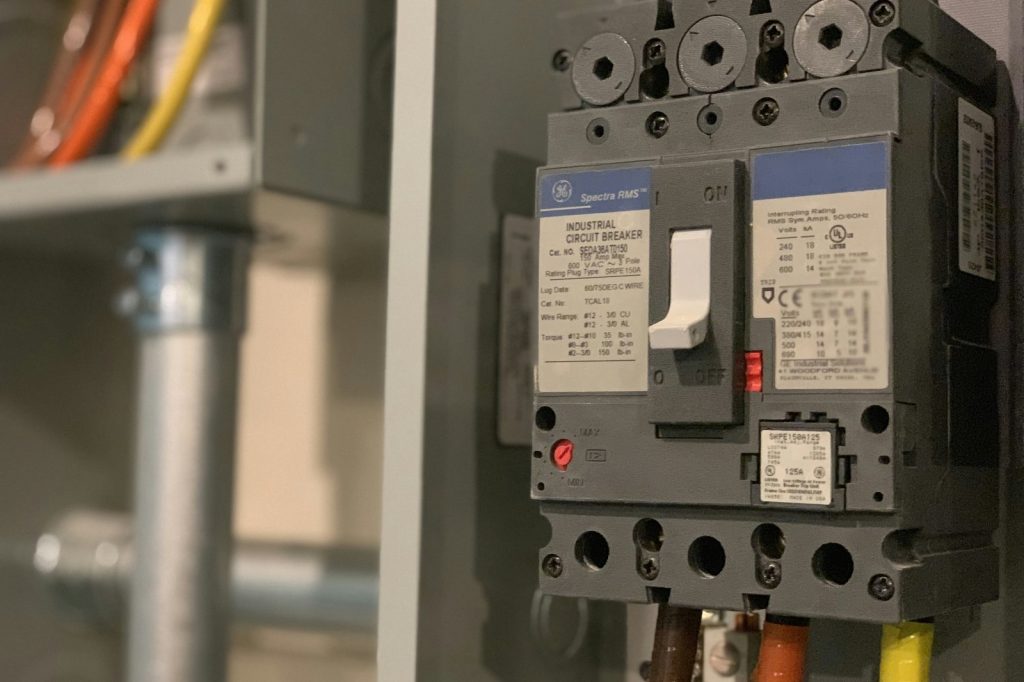
Your breaker panel is the heart of the electrical system in your house. Every circuit, every outlet, every light runs back to it, and the breakers inside are the safety devices that cut power before a fault turns into a fire. It is also the part of the system most people never look at until something goes wrong.
The good news is that a panel almost always warns you before it becomes dangerous. Here is how to read those warnings, which ones can wait for a planned upgrade, and which ones mean you should pick up the phone today.
A quick word on what the panel does
When a circuit draws more current than it should, whether from too many things plugged in or a genuine fault, the breaker for that circuit is supposed to trip and cut the power. That is the whole job. A healthy panel does it reliably and quietly for years. A failing panel does it badly, or not at all, which is exactly why the signs below matter.
The signs it is time to upgrade
Breakers that trip often. An occasional trip is the system doing its job. Breakers that trip again and again, especially under everyday load like the fridge and the microwave running together, are telling you the panel or the circuits behind it cannot keep up. Before you assume the worst, read why your breaker keeps tripping, because sometimes the cause is a single overloaded circuit rather than the whole panel.
Heat, scorch marks, or a burning smell. This is the one that does not wait. If the panel cover is warm, if you see discoloured or melted plastic, scorch marks, or you catch a burning or fishy smell near it, stop and call an electrician now. Those are signs the panel has been running dangerously hot, and they sit a short step away from a fire.
Buzzing, crackling, or sizzling sounds. A panel should be silent. A faint hum from some equipment is one thing, but crackling, buzzing or sizzling from inside the panel usually means loose connections and arcing, and arcing starts fires. Do not open it to investigate. Get it looked at.
Rust or corrosion inside. This one matters more in Jamaica than in the cooler, drier climates most online advice is written for. Our humidity, and any past water intrusion, can leave rust or a chalky white build-up on the breakers and bus bars. Corroded connections run hot and conduct poorly. If you have ever seen moisture near your panel, have it checked.
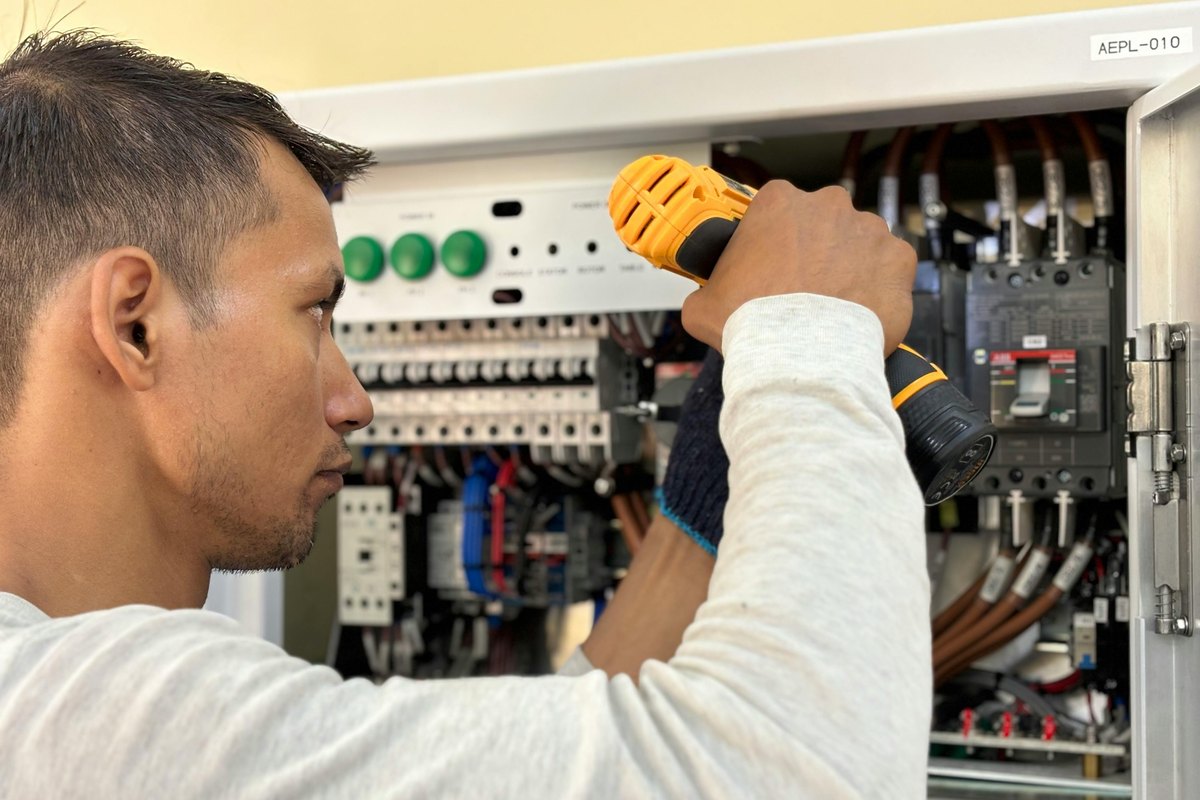
Lights that flicker or dim when big appliances start. If the lights dip every time the air conditioner or water pump kicks on, the panel and service may be stretched thin. A small dip on a heavy motor start can be normal, but a noticeable, repeated dim across the house points to a capacity problem worth investigating.
You still have a fuse board. If your house runs on fuses rather than breakers, it is overdue. Fuse boards are usually small in capacity, you have to keep buying and swapping fuses, and people often “fix” a blown fuse by fitting a larger one, which removes the protection entirely and is genuinely dangerous. A modern breaker panel is safer and far more convenient.
You have run out of space. Open the panel cover (just look, do not touch anything inside). If every slot is full, if breakers are doubled up where they should not be, or if half the house is fed by extension cords because there is nowhere to add a circuit, the panel is too small for how you actually live. That is a classic reason to upgrade, and the right time to size up for the future.
It is an old or suspect panel. Panels do not last forever; a working life of roughly 20 to 50 years is normal, so anything past about 25 years is worth an assessment. Some older panels are worse than just old. Federal Pacific Stab-Lok and Zinsco panels, common in mid-century housing, have a documented history of breakers that fail to trip when they should, which defeats the entire purpose of the panel. If you find one of these, the advice is to replace it whether or not you have had trouble yet.
You are adding load. Putting in a new air conditioner, an electric water heater, an EV charger, or solar with battery backup all lean on the panel. If you are planning any of that, the panel needs to be assessed first. An undersized or tired panel often has to be sorted out before the new work can be tied in safely, and that is true for solar in particular.
Why this is not a wait-and-see situation
A breaker panel that is failing is not like a leaky tap you can live with. The two real risks are fire, from heat and arcing at bad connections, and a loss of protection, where a breaker that will not trip leaves a faulted circuit live. Both are quiet right up until they are not. The whole point of the panel is to protect the house, so a panel you cannot trust is not doing its one job.
What an upgrade actually involves
Replacing a panel means fitting a new, properly sized one, often moving from a small or 100-amp setup to something with more capacity and room to grow. Sometimes it also means upgrading the incoming service from the road. In Jamaica, this kind of work has to be inspected and certified through the Government Electrical Inspectorate before JPS will connect or reconnect the supply, so there is a certification step and a short planned outage involved. None of that is a reason to put it off; it is a reason to plan it properly with an electrician rather than wait for a failure.
Please do not open it up yourself
It is fine to look at the closed panel and listen for sounds or smell for burning. It is not fine to start poking around inside. The main lugs at the top of the panel stay live even with the main breaker switched off, because the supply from the road lands there directly. That part of the panel can injure or kill you. Looking and listening is your job. Anything past the cover is ours. We handle the assessment and the upgrade in panel and breaker work.
Related reading
- Panel and breaker work for how we assess and upgrade a panel safely and to standard.
- Why does my breaker keep tripping? to tell a single overloaded circuit apart from a panel problem.
- What does it cost to rewire a house in Jamaica? because a panel upgrade and a rewire often go hand in hand.
How long does a breaker panel last?
A breaker panel typically lasts around 20 to 50 years, so anything past about 25 years is worth having assessed. Age alone is not a reason to panic, but an old panel combined with any of the warning signs (heat, buzzing, corrosion, frequent tripping) usually means it is time to upgrade.
Is a warm breaker panel dangerous?
Yes. A panel cover that is warm to the touch, or any scorch marks, melted plastic or burning smell, means the panel has been running dangerously hot and is close to a fire risk. Stop using the affected circuits and call an electrician right away rather than waiting.
Should I replace a fuse box with a breaker panel?
Generally yes. Fuse boards are usually low in capacity and require swapping fuses, and people often fit an oversized fuse to stop one blowing, which removes the protection and is dangerous. A modern breaker panel is safer, more convenient, and better suited to today’s loads.
Can I add solar to my existing panel?
It depends on the panel’s condition and capacity. Solar with battery backup leans on the panel, so an old, undersized or unsafe panel often has to be upgraded before solar can be tied in safely. An electrician should assess the panel as part of planning any solar install.
Why do my lights dim when the air conditioner turns on?
A small, brief dip when a large motor starts can be normal. A noticeable dim across the whole house every time, though, suggests the panel and service may be stretched near their limit, which is worth having checked before you add more load.
Is it safe to open my breaker panel to look inside?
You can look at the closed panel and listen or smell for problems, but do not remove the cover or touch anything inside. The main lugs stay live even with the main breaker off, because the supply from the road connects there directly, and they can cause serious injury. Leave anything past the cover to an electrician.
The next step
If your panel is showing any of these signs, the safe move is to have it assessed before it becomes an emergency. Get a free quote or message us, and we will check the panel, tell you whether it needs an upgrade or just a repair, and size any new panel for the loads you actually run.