

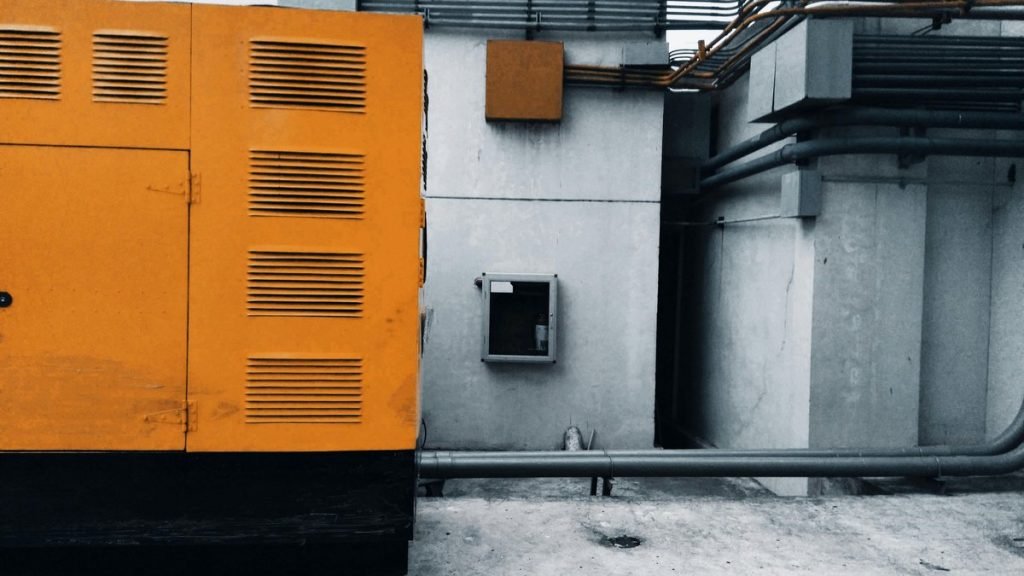
When the power goes out often and stays out for hours, a standby generator is the set-and-forget answer. It lives outside, starts itself the moment the grid drops, runs the house, and shuts down again when power comes back, all without you lifting a finger. It is also a big purchase with a few real decisions behind it: how big, whole-house or just the essentials, what fuel, and how it connects. Here is how to get those right.
What a standby generator actually is
A standby generator is permanently installed outside the house and wired into your electrical panel through an automatic transfer switch. It constantly senses the utility supply, and within seconds of an outage it starts its engine, takes over your circuits, and then hands back to the grid when power returns, often running a brief self-test each week so you know it will work. You can read the general background on the Wikipedia standby generator page.
That is the difference from a portable generator, which is cheaper but manual: you roll it out, start it, and it must be connected through a proper transfer switch or interlock, never plugged into the house in a way that lets it back-feed, which is the serious hazard we cover in why a generator must never back-feed the grid.
Sizing it: the decision that matters most
Get the size right and everything else follows. List the things you actually need to run, then note two numbers for each: its running watts and its starting watts. Motors and compressors draw far more to start than to run, a fridge might use 600 to 800 watts running but need around 1,200 to start, and a central air conditioner might run at 3,000 watts but surge to 6,000. Add up the running watts of everything, add the largest single starting surge on top, then add a safety margin of 10 to 20 percent. That total is the minimum capacity you need. Undersize it and it will overload and trip; wildly oversize it and you have paid for, and will burn fuel on, capacity you never use.
Whole house, or just the essentials
There are two ways to go. A whole-house generator powers everything, every circuit, the air conditioning included, which means a larger, more expensive unit. An essential-circuits setup uses a smaller generator and a transfer switch that feeds only the circuits you choose: the fridge, some lights and fans, the water pump, a few outlets, maybe one room’s air conditioning. For most homes the essentials approach is the sensible, far cheaper choice, because powering the whole house through every outage is rarely worth the cost. Decide honestly what you need running at 2 a.m. in a storm, and size to that.
Fuel: what you can actually get and store
This is where the generic advice goes wrong for us. In North America the default standby fuel is piped natural gas, but piped gas is not generally available to homes here, so cross it off the list. That leaves propane, diesel, and gasoline. Propane, the LPG many homes already burn for cooking, stores for a long time, burns cleanly, and runs from a tank you size to suit, which makes it a strong fit. Diesel is efficient and suits larger units and long runs, and its fuel stores reasonably. Gasoline is convenient and everywhere, but it does not keep as long and means more trips to refuel. Pick the fuel you can actually get and safely store, and when storm season comes, size the tank for a long outage, not a short one.
The transfer switch is not optional
However you fuel it, the generator connects through a transfer switch, and on a standby unit that is an automatic transfer switch. It does two jobs: it starts the generator and switches your home to it automatically, and, just as important, it isolates your house from the utility lines so the generator can never feed power back onto the grid. That isolation is what protects the line crews working to restore power, and it is the whole reason back-feeding with a cord is so dangerous. The switch is sized to your panel’s amperage, so a 200-amp service needs a switch rated for it. A manual transfer switch is the cheaper version for a portable or essentials setup, where you do the switching by hand.
Where it goes, and staying safe
A generator must run outdoors, full stop. Its exhaust contains carbon monoxide, which is invisible, odourless, and deadly, so it can never run in a garage, under the house, or near windows and doors where fumes can drift inside. It sits on a solid pad with clearance around it for air and servicing, and far enough from bedrooms that the noise is bearable. And it needs upkeep: oil changes, the occasional service, and keeping the fuel fresh, especially with gasoline.
Generator or inverter and battery?
A generator is not the only backup option. For quieter, shorter, lighter needs, a battery and inverter system runs silently with no fuel and no fumes, which we cover in choosing an inverter brand: what actually matters and choosing a solar battery: capacity, chemistry and warranty. A generator earns its place when outages are long and you need to run heavy loads like air conditioning for hours or days. Plenty of homes use both: a battery for the quiet everyday cuts, a generator for the long ones.
Leave the install to a professional
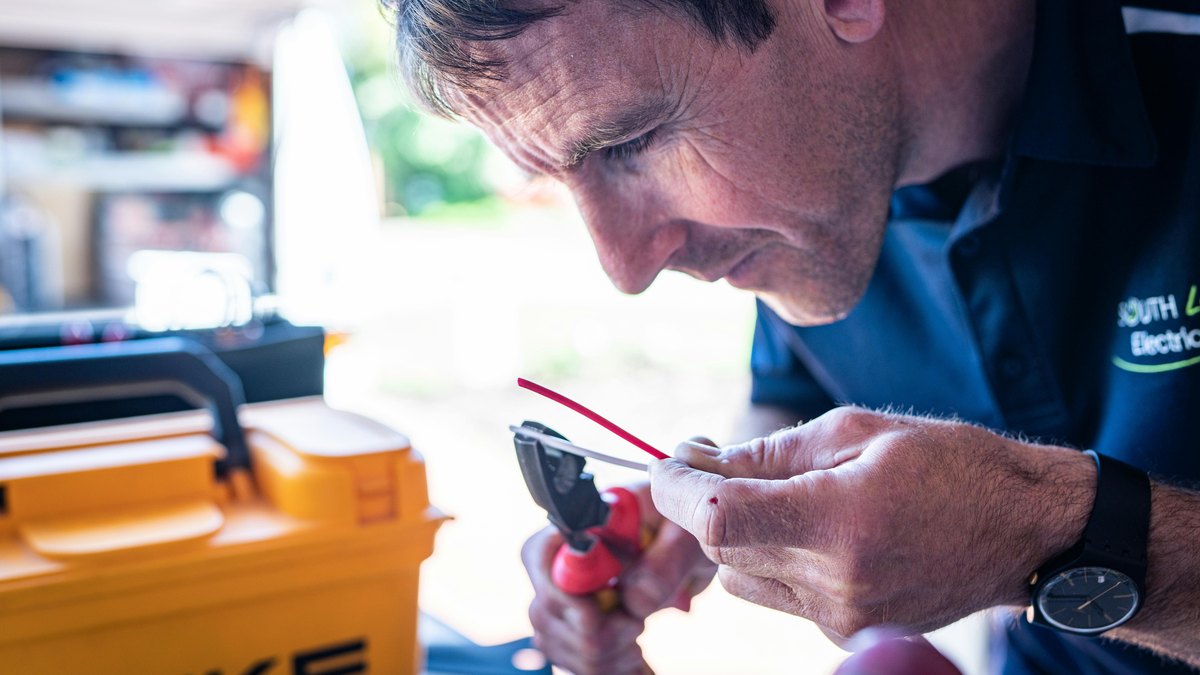
Connecting a standby generator means fuel work, electrical work, the transfer switch, and meeting code, so it is not a do-it-yourself job. Have it sized, sited, and installed by a qualified electrician, with the fuel side handled properly, so it is safe, legal, and actually works when the power goes. Setting up backup power correctly is battery and inverter support work, generators included.
The takeaway
Choose a standby generator by sizing it to what you truly need to run, running watts plus the biggest starting surge plus a margin, and decide early whether you want whole-house or just essential circuits, because that drives the cost. Pick a fuel you can reliably get and store, propane, diesel, or gasoline here, not piped gas. Insist on a proper transfer switch so it can never back-feed, site it outdoors away from living spaces for carbon-monoxide safety, and have a professional install it. Done right, it turns a long blackout into a minor inconvenience.
Related reading
- Why a generator must never back-feed the grid for the safety reason a transfer switch is essential.
- Choosing an inverter brand: what actually matters for the quieter battery-based alternative.
- Choosing a solar battery: capacity, chemistry and warranty for pairing or replacing a generator with storage.
- Battery and inverter support to size and install backup power safely.
What is the difference between a standby and a portable generator?
A standby generator is permanently installed outside and wired to your panel through an automatic transfer switch, so it starts itself and powers the house within seconds of an outage. A portable generator is cheaper but manual: you set it out, start it, and connect it through a proper transfer switch, never by back-feeding an outlet.
What size standby generator do I need?
List what you need to run and note each item’s running and starting watts. Add the running watts together, add the single largest starting surge, then add 10 to 20 percent margin. That total is your minimum capacity. Motors surge hard, so a fridge needing 700 watts running may need 1,200 to start.
Should I get a whole-house or essential-circuits generator?
A whole-house generator powers everything but is larger and more expensive. An essential-circuits setup uses a smaller generator and a transfer switch to power only what you choose, such as the fridge, lights, fans, and pump. For most homes the essentials approach is the more cost-effective choice.
What fuel should a home generator use in Jamaica?
Piped natural gas, the usual choice abroad, is not generally available here, so the realistic options are propane (LPG), diesel, or gasoline. Propane stores well and burns cleanly from a tank; diesel suits larger, longer runs; gasoline is convenient but stores less well and needs more refuelling. Choose what you can reliably get and store.
Why does a standby generator need a transfer switch?
The transfer switch starts the generator and switches the home to it automatically, and it isolates your house from the utility lines so the generator can never feed power back onto the grid. That isolation protects line crews and your equipment, and it is sized to your panel’s amperage.
Where can a standby generator be installed?
Outdoors only, on a solid pad with clearance for air and servicing, and away from windows, doors, and bedrooms. Its exhaust contains carbon monoxide, which is deadly, so it must never run in a garage, under the house, or anywhere fumes can drift inside. Installation is a job for a qualified electrician.
The next step
Thinking about a standby generator but unsure what size or setup fits? Get a free quote or message us, and we will work out what you need to run, recommend the right generator and transfer switch, and install it safely.