

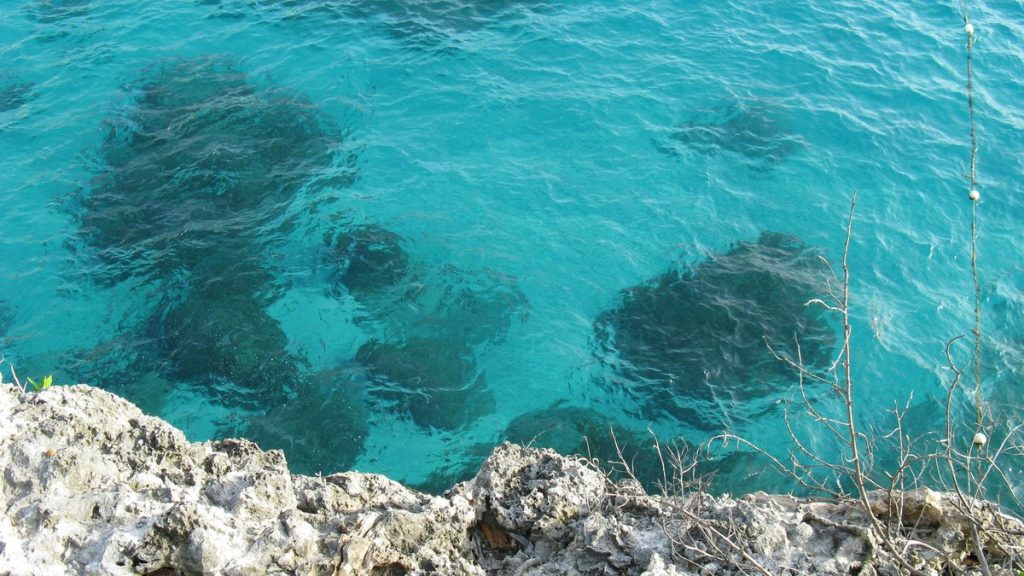
Hanover is one of the smallest parishes on the island, and it fits two very different worlds into that small space. There is the coast: Lucea on its horseshoe bay, an old sugar port, and the run of north-coast villas and resorts heading east toward Montego Bay and west toward Negril. Then there is the interior, the rugged forested country behind the Dolphin Head mountains, where homes sit scattered up rough roads, far from town and far from a strong grid. Which Hanover you are in changes the electrical and solar work the place needs. Here is what is worth knowing.
Two Hanovers, two kinds of job
On the coast, the work looks like the rest of the north-coast tourism belt: villas, guesthouses and homes that want reliable, well-finished power, backup so an outage does not spoil a stay, and hardware that stands up to salt air. Inland, it is a different conversation. Up in the Dolphin Head country the priority is often just having dependable power at all, on a property the grid reaches last and weakest. One small parish, two jobs.
The coast: salt and standards
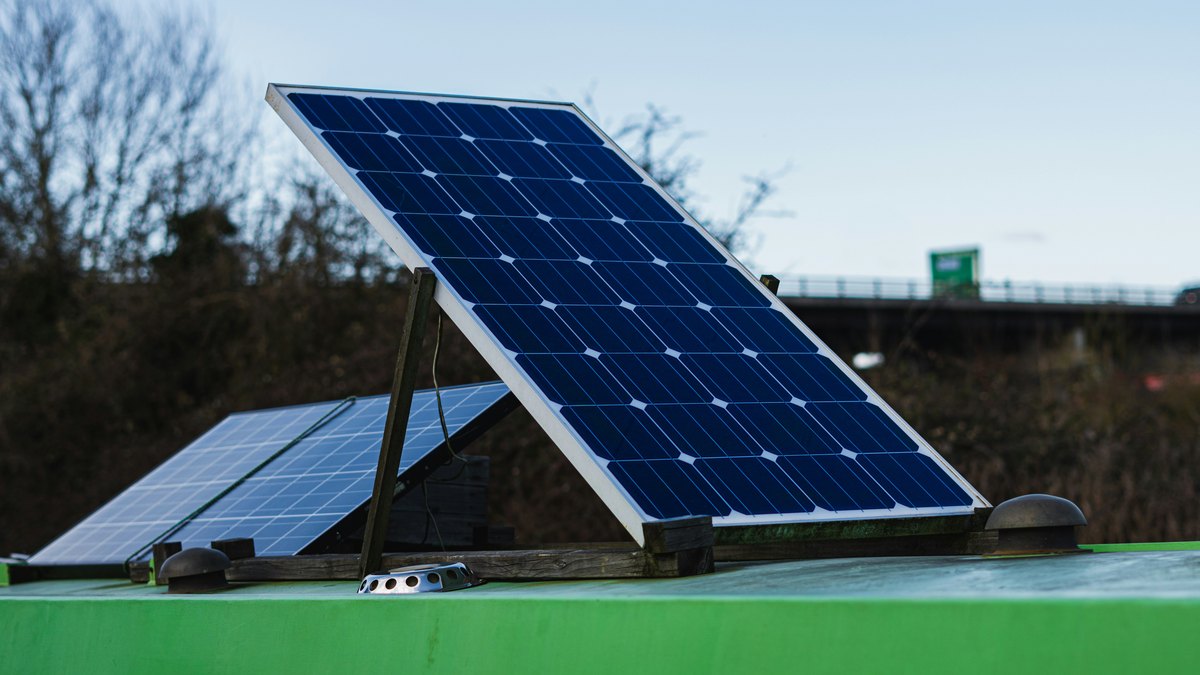
Lucea and the coastal strip sit in salt air, and salt corrodes outdoor fittings, meter boxes, fixings and connections faster than it would inland. For coastal homes and any villa or guesthouse, and for solar especially, the hardware has to be corrosion-resistant and properly sealed, or it will not last. On the north coast, where there is also real money in keeping visitors comfortable, backup power is in demand: a battery, paired with solar, keeps the essentials on when the grid drops. Whether solar pays for your property comes down to your usage and goals, which we work through in is solar worth it in Jamaica right now?
The interior: remote, and best served by self-reliance
Behind Dolphin Head, Hanover gets genuinely remote. Roads are rough, homes are spread out, and the grid that reaches them runs long and thin, which means longer outages and weaker supply at the end of the line. For a property out there, solar with battery storage, and in the most remote spots an off-grid setup, is often the practical answer rather than a luxury, because it frees the home from a feeder that was never going to be dependable. Sizing that storage around what you truly need to keep on is the heart of battery backup sizing. Many of these homes also depend on a pump for water, which solar can keep running through a cut, as we cover in how many solar panels do you need to run a water pump?
Why we visit before we quote
In a parish like this, access is part of the job. A remote interior property up a rough track is a different proposition to a villa on a paved coast road, both for getting a crew and materials in and for what the work involves. That is a big part of why we quote off a real look at the property rather than a number over the phone. We need to see the site, the supply and the access before we can give you a plan that holds up. You can read about the parish itself under Hanover Parish.
Doing it to standard
Coast or interior, the rule does not change. New or refurbished wiring, and grid-tied solar, must be done to standard and pass a Government Electrical Inspectorate inspection before the supply is connected. On a long, weak interior feeder, and in salt air on the coast, sound wiring and proper protection matter more, not less.
What we do here
Across Hanover we handle both sides of the parish: wiring and panel work, fault-finding on tripping breakers and weak supply, outdoor and security lighting built for the coast, backup power for villas and homes that cannot afford to go dark, and solar with battery storage, up to off-grid, for remote interior properties the grid barely reaches. The first step is always a look at the property and a real quote.
Related reading
- Is solar worth it in Jamaica right now? for whether solar pays for your home or villa.
- Battery backup sizing: keeping the essentials on through an outage for storage on a weak interior feeder.
- How many solar panels do you need to run a water pump? for keeping water flowing on a remote property.
- Solar installation for coast-ready and off-grid solar in Hanover.
What makes electrical work in Hanover different?
Its split character. Hanover is small but has two worlds: a salt-air coast around Lucea with north-coast villas and guesthouses, and a rugged, remote interior behind the Dolphin Head mountains where homes sit far from a strong grid. Coastal work is about salt-ready hardware and backup; interior work is often about having dependable power at all.
Does the Hanover coast need special hardware for salt?
Yes. Lucea and the coastal strip sit in salt air, which corrodes outdoor fittings, meter boxes, fixings and connections faster than inland. For coastal homes, villas and solar especially, the hardware must be corrosion-resistant and properly sealed, or it will not last. On the coast that is the baseline, not an upgrade.
Why is solar such a strong fit for the Hanover interior?
Because behind Dolphin Head the parish gets genuinely remote, with rough roads, spread-out homes and a long, thin grid that brings longer outages and weak supply. Solar with battery storage, and in the most remote spots an off-grid setup, frees a property from a feeder that was never going to be dependable, which makes it practical rather than a luxury.
Can solar keep a water pump running on a remote Hanover property?
Yes, and it is one of the most useful setups out there. Many interior homes depend on a pump for water, so when the grid drops the water stops too. Because a pump runs in short bursts, a modest battery paired with solar keeps it going through an outage, holding your water supply on a property the grid reaches last.
Why do you visit before quoting in Hanover?
Because access is part of the job here. A remote interior property up a rough track is a very different proposition to a villa on a paved coast road, both for getting a crew and materials in and for the work itself. We need to see the site, the supply and the access before giving a plan that holds up, so a real quote follows a look rather than a phone estimate.
Does electrical and solar work in Hanover need inspection?
Yes. New or refurbished wiring, and grid-tied solar, must be done to standard and pass a Government Electrical Inspectorate inspection before the supply is connected, the same as anywhere on the island. On a long, weak interior feeder, and in salt air on the coast, sound wiring and proper protection matter more, not less.
The next step
Whether it is a Lucea or north-coast property that needs salt-ready power and backup, or a remote interior home that would do better on solar with storage, the work starts with a look at the property. Get a free quote or message us, tell us where you are in Hanover and what you need, and we will assess it and give you a real plan.