

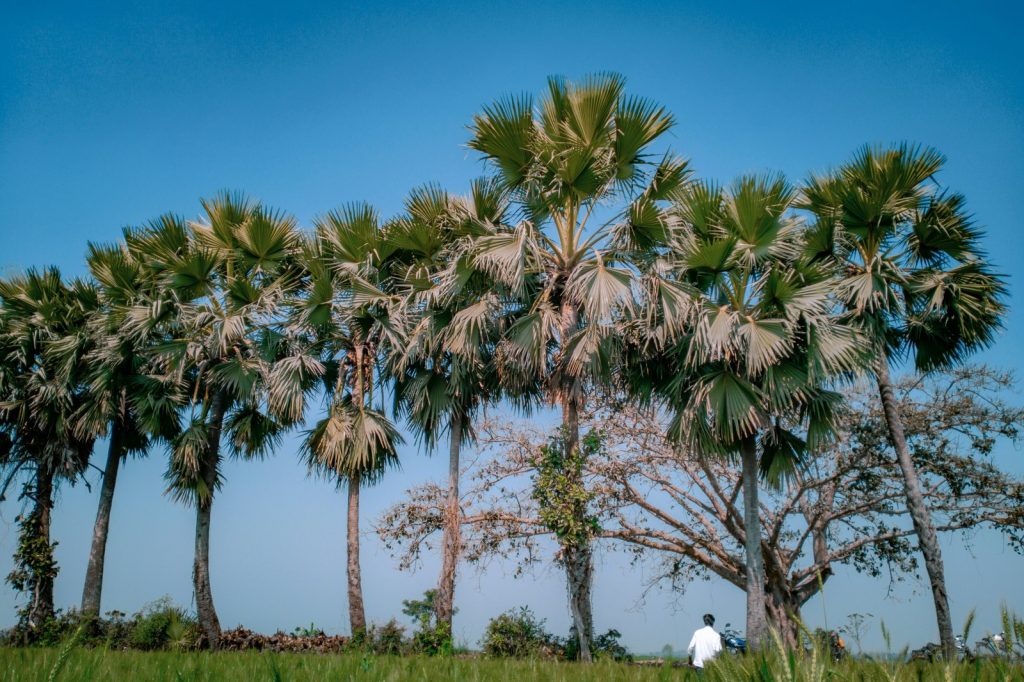
Clarendon is a big parish, and most of it is rural. Past May Pen the land opens into farms, plains and scattered districts, and that distance shapes everything about the power. The grid has to travel a long way to reach many homes here. That brings its own problems, and it also makes the parish one of the best places in Jamaica for solar. Fitting, really, that Clarendon already hosts Content Solar, the island’s first utility-scale solar plant. Here is what is worth knowing about electrical and solar work across the parish.
Distance is the defining factor
The thing that sets rural Clarendon apart is how far the power travels to get to you. Homes and farms at the end of long feeders tend to see two things: longer outages, because faults out in the country take longer to find and fix, and low or sagging voltage, because the supply weakens over a long run. Low voltage is not just an annoyance; it makes motors like pumps and air conditioners draw more current, run hot and trip, and it shortens the life of equipment. A lot of rural electrical trouble traces straight back to that distance.
Water and the pump
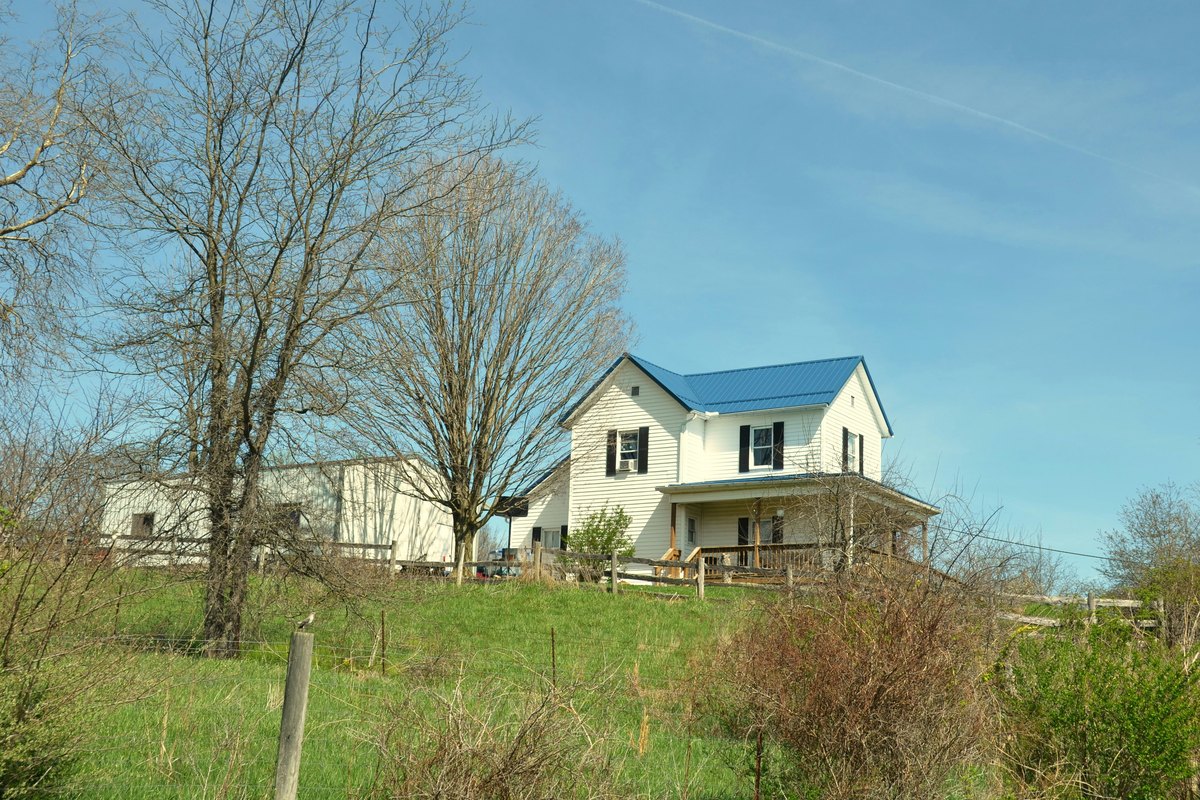
In a farming parish, water matters, and so does the pump that moves it, whether it is filling a household tank or feeding irrigation. Pumps are exactly the equipment that suffers most from the voltage drop on a long rural run, and exactly what people most need to keep running when the grid is out. Solar is a strong answer on both counts, and because a pump runs in short bursts, it pairs well with a modest battery, as we explain in how many solar panels do you need to run a water pump?
Why solar self-reliance is so strong here
For a home far from a dependable grid, solar buys you more than a smaller bill. It buys you out of waiting on a long, fault-prone feeder. With strong sun, plenty of roof and land, and a grid that reaches Clarendon’s rural districts last, the case for solar with battery storage, and in remote spots even an off-grid setup, is as strong here as anywhere in Jamaica. Sizing that storage around what you truly need to keep on is the heart of battery backup sizing, and whether the numbers work for your property is the question in is solar worth it in Jamaica right now? You can read about the parish under Clarendon Parish, Jamaica.
Doing it to standard
Rural or not, the rule holds: new or refurbished wiring and grid-tied solar must be done to standard and pass a Government Electrical Inspectorate inspection before the supply is connected. Distance from town is no reason to cut corners, and on a long, weak feeder, sound wiring and proper protection matter more, not less.
What we do here
Across Clarendon we handle the work the parish actually needs: tracing and fixing the faults that come with long rural supply, sorting voltage-drop trouble on pumps and motors, keeping water pumps and homes running through outages, and solar with battery storage sized for properties that cannot rely on the grid. The first step is always a look at the property and a real quote.
Related reading
- How many solar panels do you need to run a water pump? for keeping water flowing on a farm or rural home.
- Battery backup sizing: keeping the essentials on through an outage for storage on a fault-prone feeder.
- Is solar worth it in Jamaica right now? for whether solar pays for your property.
- Solar installation for solar and storage in Clarendon.
Why do rural Clarendon homes have more power problems?
Because of distance. Homes and farms at the end of long feeders see longer outages, since faults out in the country take longer to find and fix, and low or sagging voltage, because the supply weakens over a long run. Low voltage makes pumps and air conditioners draw more current, run hot and trip, so a lot of rural trouble traces back to distance.
Why does voltage drop matter for pumps and AC in Clarendon?
On a long rural run the voltage arrives low, and motors like pumps and air conditioners respond by drawing more current to do the same work. That makes them run hot, trip their breakers and wear out sooner. Correct wire sizing for the distance, and often solar, are the real fixes rather than repeatedly resetting the breaker.
Is solar a good fit for rural Clarendon?
It is one of the best fits on the island. With strong sun, plenty of roof and land, and a grid that reaches rural districts last, solar with battery storage frees a home from a long, fault-prone feeder. For remote properties, even an off-grid setup can make sense. It is about reliability as much as the bill.
Can solar keep my water pump running in Clarendon?
Yes, and it is one of the most valuable things to set up here. Pumps suffer most from rural voltage drop and are exactly what you need running when the grid is out. Because a pump runs in short bursts, it pairs well with a modest battery, keeping a household tank or irrigation supplied through outages.
Does electrical and solar work in Clarendon need inspection?
Yes. New or refurbished wiring and grid-tied solar must be done to standard and pass a Government Electrical Inspectorate inspection before the supply is connected, the same as anywhere on the island. On a long, weak rural feeder, sound wiring and proper protection matter more, not less.
How do you price work in rural Clarendon?
By visiting the property. Distance, the state of the supply, what you run, and whether you want backup or off-grid capability all shape the job, so a real quote follows a look rather than a phone estimate. That applies whether it is fault-finding on a long feeder, a pump fix, or a solar and battery install.
The next step
Whether your Clarendon property is fighting voltage drop on a long feeder, needs its water pump kept running, or would do better on solar with storage, the work starts with a look. Get a free quote or message us, tell us where you are in the parish and what you need, and we will assess it and give you a real plan.