

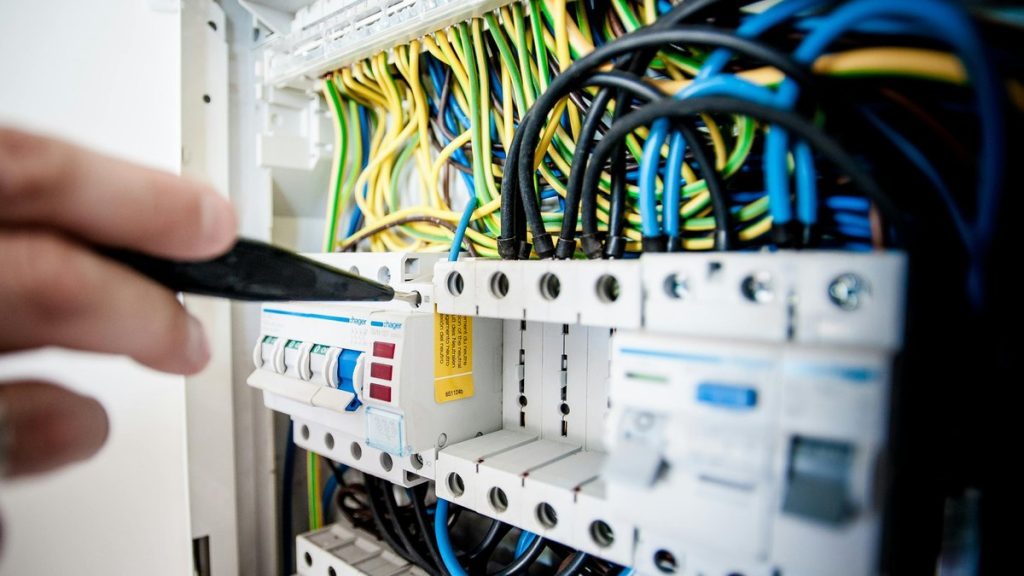
It is a strange feeling. Half the house has gone dark, but the other half is working fine, and JPS is clearly still on because the neighbours have power. That oddly specific pattern, half on, half off, actually narrows the cause down nicely. Here is what to check yourself, safely, and the one sign that means you should stop and call for help.
Why it happens to half the house
Your home is fed by two live legs of electricity that work together. Most circuits hang off one leg or the other. When one of those legs drops out, every circuit on it goes dead while everything on the other leg carries on like nothing happened. That is why the failure splits the house rather than killing it all, and you can read how that split supply works on the Wikipedia split-phase electric power page. The job, then, is figuring out why one leg or one circuit has gone quiet.
The safe checks to try first
Two things are worth checking yourself, because both are common and neither means touching anything dangerous.
Start with your GFCI outlets, the ones with the little test and reset buttons, usually in bathrooms, the kitchen or outside. A single tripped GFCI can cut power to several outlets downstream, sometimes in rooms that seem unrelated, so press reset on each one and see if the dead area comes back.
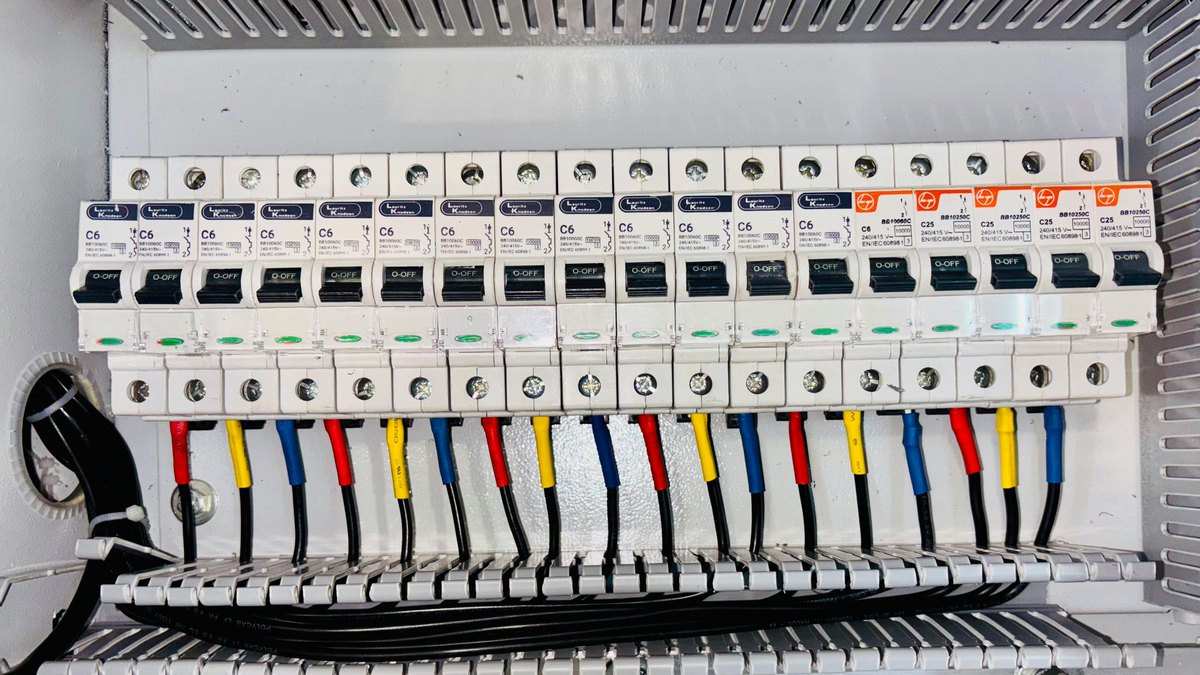
Next, check the breaker panel, just the breakers, by opening the panel’s door, not removing its cover. Run your eye along the row for a breaker that is not sitting where the others are. A tripped breaker can look almost on, so the reliable move is to push the suspect one firmly all the way off, then back on. If a breaker keeps tripping straight back, leave it off; that is a fault, not a nuisance, and it needs an electrician.
When it is the utility’s side
If no GFCI or breaker fixes it, the lost leg is most likely upstream of your home, on the JPS side: a loose connection at the transformer, a damaged service wire, or a fault at the meter. That is their equipment, not yours, so the right move is to call JPS and report a partial power loss, not a full outage, and tell them half the house is dead. It is a different fault from the whole street going dark, and saying so helps them send the right fix.
The warning sign that means stop
Here is the one pattern to take seriously. If, along with half the house misbehaving, you notice lights glowing unusually bright in some rooms and dim in others, or appliances acting strangely, stop. That points to a lost neutral, and it can push the wrong voltage to your equipment and damage it, as well as being a genuine hazard. Turn off your main breaker if you can do so safely, and call JPS and an electrician. Do not wait to see what happens. And whatever the cause, never open the meter or the service entrance yourself; that point carries enormous current and is not a place for anyone but the utility or a qualified electrician, which is the kind of call-out we handle under power outage troubleshooting.
The takeaway
Half the house going dark almost always means a lost leg or a tripped device, not a mystery. Reset your GFCIs, cycle a tripped breaker firmly off and on, and if that does not solve it, it is likely a JPS-side fault to report as a partial outage. The one thing that changes the urgency is lights going bright and dim or appliances behaving oddly: that is a lost neutral, so kill the main breaker and get help fast. The safe checks are simple; the wiring and the service entrance are not yours to open.
Related reading
- When flickering lights are serious and when they are not for the bright-and-dim warning sign.
- Why is my outlet warm to the touch? for another fault worth catching early.
- Signs your breaker panel needs upgrading for when a breaker keeps tripping.
- Power outage troubleshooting to find and fix a partial power loss safely.
Why has half my house lost power?
Your home is fed by two live legs of electricity, and most circuits sit on one leg or the other. When one leg drops out, every circuit on it goes dead while the other half keeps working, which is why the failure splits the house. The cause is usually a tripped device or a lost leg upstream.
What can I safely check myself?
Two things. Reset any GFCI outlets, the ones with test and reset buttons in bathrooms, the kitchen or outside, since one tripped GFCI can kill several outlets. Then open the panel door and look for a breaker out of line, pushing it firmly off then back on. Do not remove the panel cover or touch wiring.
Why would a tripped GFCI affect rooms far away?
Because a single GFCI outlet can protect several outlets downstream of it, sometimes in rooms that seem unrelated. If that GFCI trips, everything fed through it goes dead. Resetting the GFCI often restores power to the whole group at once, which is why it is the first thing to check.
What if no breaker or GFCI fixes it?
Then the lost leg is most likely on the JPS side, such as a loose connection at the transformer, a damaged service wire, or a meter fault. Call JPS and report a partial power loss, telling them half the house is dead. That is different from a full outage and helps them send the right repair.
When is half-house power loss dangerous?
When lights glow unusually bright in some rooms and dim in others, or appliances act strangely. That points to a lost neutral, which can push the wrong voltage to your equipment and damage it, and is a genuine hazard. Turn off the main breaker if you safely can and call JPS and an electrician without delay.
Can I fix a lost leg or open the meter myself?
No. The service entrance and meter carry enormous current and are extremely dangerous, and they are the utility’s equipment besides. Resetting GFCIs and breakers is fine, but anything involving the meter, service wires or panel internals is strictly for the utility or a qualified electrician.
The next step
If half your house is dark and the simple resets have not fixed it, do not live with it or risk the wiring. Get a free quote or message us, and we will safely diagnose whether it is your panel or a JPS-side fault and get your power whole again.