

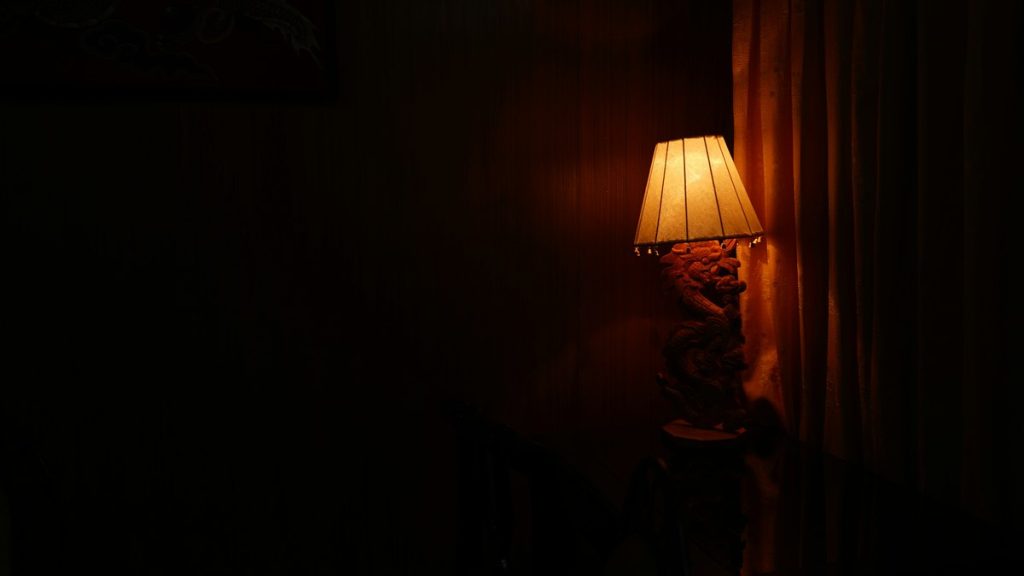
Flickering lights sit in an awkward spot: usually harmless, occasionally a real warning. The trick is knowing which one you are looking at, because the harmless kind is often a five-minute fix and the serious kind can be a fire risk you should not ignore. Here is how to read your flicker and decide what to do.
The harmless kinds
Most flickering is nothing to lose sleep over. Three causes account for the bulk of it.
A loose bulb is the simplest. If a bulb is not screwed in fully, the contact is intermittent and it flickers, often when something nearby vibrates. Power off, let it cool, and tighten it. A dimmer mismatch comes next. Older dimmer switches were built for the incandescent bulbs of the past, and pairing them with modern LED bulbs can cause a strobe-like flicker, especially when dimmed low. The fix is LED-compatible dimmers or bulbs. And a big appliance starting up, the fridge, a pump, the air conditioner, briefly pulls a lot of current and dips the lights for a moment, which we cover in why do my lights flicker when the AC turns on. A quick dip when something kicks on is normal.
The serious kinds
Now the ones that matter. These live in the wiring behind the walls, not in the bulb in front of you.
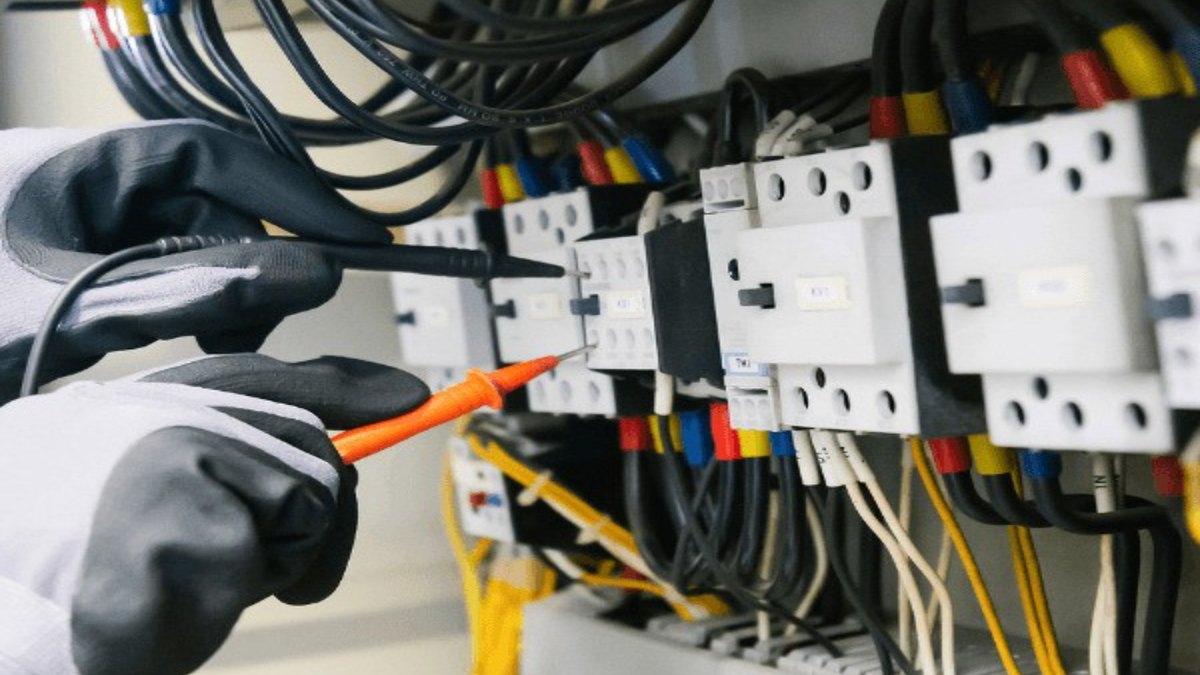
Loose or damaged wiring in a switch, fixture or outlet can cause flickering, and it is dangerous because a loose connection can arc, which is a leading cause of electrical fires. You can read about that risk on the Wikipedia arc-fault circuit interrupter page. The other serious pattern is whole-house or multi-room flicker, where lights across the home dim and flicker together. That can point to a loose neutral or loose service conductors in your panel, feeding inconsistent voltage to everything. Both of these are genuine hazards, not cosmetic annoyances.
The signs that mean act now
Some signs turn a flicker from “get it looked at” into “stop and deal with it immediately.” If flickering comes with a burning smell, an outlet or switch that is warm or hot to the touch, a buzzing or crackling sound, or any scorch marks or discolouration, treat it as an emergency. Turn off the breaker feeding that area if you can do so safely, leave it off, and call an electrician before restoring power. Those are the fingerprints of a connection overheating, and that is how fires start.
A simple way to triage
Put it together and you can usually place your flicker quickly. One bulb or one fixture flickering, with nothing else wrong, is almost always that bulb or its dimmer, and safe to sort yourself. Lights dipping when an appliance starts is the normal surge. But lights flickering across several rooms, flicker that is worsening, or any flicker with a smell, sound, heat or mark, is the serious category and belongs to an electrician. When you are unsure which bucket you are in, treat it as the serious one until a professional says otherwise. We do this kind of fault-finding under voltage diagnosis.
The takeaway
Flickering lights are usually a loose bulb or a dimmer that does not like your LEDs, both easy and harmless. They become serious when the cause is in the wiring, a loose connection that can arc, or a loose neutral dragging down the whole house, and especially when a smell, sound, heat or scorch mark appears. Fix the easy ones, respect the dangerous ones, and never push your luck with the wiring yourself. A flicker is cheap to investigate and dangerous to assume away.
Related reading
- Why do my lights flicker when the AC turns on? for the harmless appliance-startup kind.
- Signs your breaker panel needs upgrading for when the panel is the cause.
- Surge protection for appliances in outage-prone areas for protecting electronics from voltage swings.
- Voltage diagnosis to safely find the cause of serious flickering.
Are flickering lights usually serious?
Usually not. Most flickering comes from a loose bulb, an LED bulb paired with an old dimmer, or the brief dip when a big appliance starts. Those are harmless and often easy to fix. Flickering becomes serious when the cause is in the wiring or the panel, which is less common but genuinely hazardous.
What are the harmless causes of flickering?
A loose bulb with intermittent contact, which you can tighten once it is off and cool; an LED bulb paired with an old dimmer built for incandescents, which strobes especially when dimmed low; and the momentary dip when a fridge, pump or air conditioner starts and pulls a current surge. None of these is dangerous.
When is flickering a fire risk?
When the cause is in the wiring. A loose or damaged connection in a switch, fixture or outlet can arc, a leading cause of electrical fires. Whole-house or multi-room flicker can mean a loose neutral or loose service conductors in the panel. Both are real hazards rather than cosmetic annoyances, and need a professional.
What flickering signs mean I should act immediately?
A burning smell, an outlet or switch that is warm or hot, a buzzing or crackling sound, or any scorch marks or discolouration. These are the fingerprints of a connection overheating. Turn off the breaker to that area if you safely can, leave it off, and call an electrician before restoring power.
Why do lights in several rooms flicker at once?
Flickering across multiple rooms or the whole house often points to a problem at the panel rather than any one fixture, such as a loose neutral or loose service conductors feeding inconsistent voltage to everything. That is a serious pattern and should be inspected by an electrician rather than ignored.
Can I fix flickering lights myself?
You can safely tighten a loose bulb once power is off and the bulb is cool, and replace a mismatched dimmer or bulb. What you should not do is open the panel or work on switch, outlet or fixture wiring, which carries live current. Serious or wiring-related flicker is a job for a qualified electrician.
The next step
If your lights are flickering in more than one room, getting worse, or paired with any smell, heat or sound, do not wait. Get a free quote or message us, and we will safely track down whether it is a harmless quirk or a wiring fault that needs fixing.