

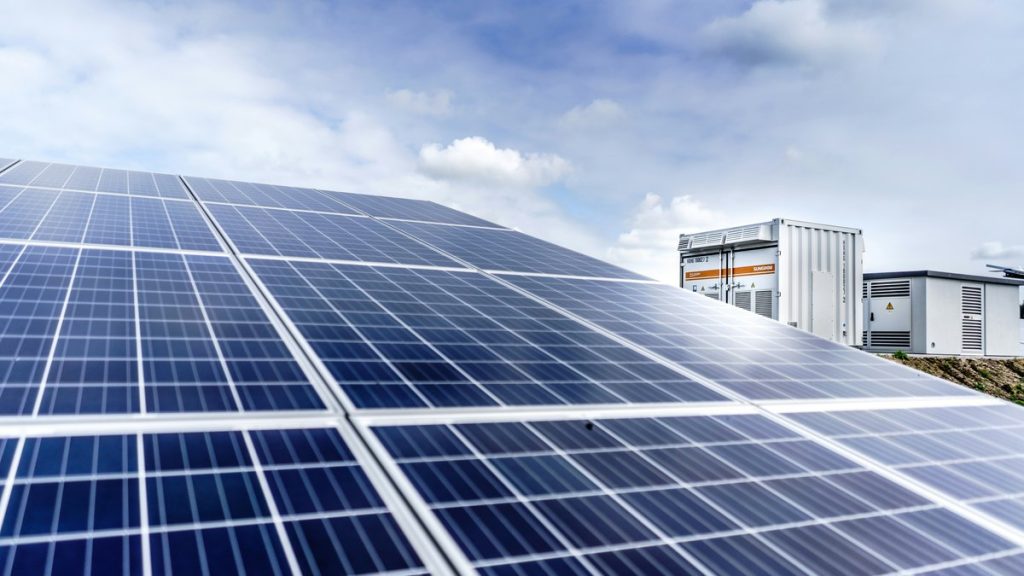
Shop for solar and you will quickly meet the phrase “Tier 1 panels,” usually as a selling point and sometimes as a way to justify a higher price. It is worth knowing what that label actually means before you let it decide your purchase, because it does not mean quite what most people assume. Here is the honest version, and what really matters when you pick panels.
What “Tier 1” actually measures
This is the part that surprises people. Tier 1 is a ranking of manufacturers, not of individual panels, and it comes from BloombergNEF, a financial research group. It is a measure of bankability, meaning how confident banks are in lending against a maker’s projects, based on whether several major banks have financed deals using their panels. You can read about the group behind it on the Wikipedia BloombergNEF page.
What it does not directly measure is the thing you would expect: panel efficiency, warranty strength, or how long the panels last. It is a financial signal, not a quality grade. A panel is not better simply because its maker is on the list.
Why it still tells you something useful
That said, the label is not useless, because bankability and quality tend to travel together. A manufacturer solid enough for banks to back is also a manufacturer likely to still be in business in fifteen years, which is exactly when you might need to claim on that 25-year performance warranty. As we explain in solar warranties: panels, inverters and workmanship, a warranty is only as good as the company behind it. So Tier 1 is a decent proxy for “likely to be around,” even if it says little about the panel itself.
The real risk is the bottom of the market
The meaningful gap is not between Tier 1 and every cheaper panel. Plenty of respected brands sit just off the list and make excellent panels. The real risk is the rock-bottom, no-name panel with a warranty from a company you have never heard of and may never hear from again. In our climate, where heat and salt air work panels hard, as we cover in how solar panels handle heat and humidity, an unknown panel with an orphan warranty is the genuinely risky buy, not a solid mid-market brand.
What actually matters when you choose
Look past the badge to a few real things. Choose a panel from an established maker likely to outlast the warranty. Check the real efficiency and the performance warranty terms. And remember that for tropical durability, covered in how long do solar panels last in the Caribbean, the quality of the installation often matters as much as the panel brand. A great panel mounted badly will disappoint; a solid panel installed well will quietly do its job for decades.
The takeaway
Does the brand matter? Yes, but not because of the Tier 1 stamp specifically. What matters is buying a panel from a maker stable enough to honour its warranty, with sound efficiency and durability for our heat, fitted by an installer who does it properly. Tier 1 is a useful hint about a manufacturer’s staying power, not a guarantee of the best panel, and not a reason on its own to pay more. Avoid the no-name bargain, and you do not need to chase the most expensive badge either.
Related reading
- Solar warranties: panels, inverters and workmanship for why a maker’s staying power matters.
- How long do solar panels last in the Caribbean? for durability in our climate.
- How solar panels handle heat and humidity for what our weather does to panels.
- Solar installation for advice on the right panels and a proper install.
What does Tier 1 mean for solar panels?
It is a ranking of manufacturers, not individual panels, from the financial research group BloombergNEF. It measures bankability, meaning how confident banks are in lending against a maker’s projects. It does not directly measure panel efficiency, warranty strength or lifespan, so it is a financial signal rather than a quality grade.
Does Tier 1 mean a panel is higher quality?
Not directly. The label says nothing specific about a panel’s efficiency, durability or warranty. Quality and bankability do tend to correlate, because a financially strong maker is more likely to produce good panels and stay in business, but a panel is not automatically better just because its manufacturer is on the list.
Why does Tier 1 still matter then?
Because it hints at staying power. A manufacturer solid enough for banks to back is likely to still exist years from now, which is when you might need to claim on a long performance warranty. Since a warranty is only as good as the company behind it, that financial stability is genuinely worth something.
Are cheaper, non-Tier 1 panels bad?
Not necessarily. Several respected brands sit just off the Tier 1 list and make excellent panels. The real risk is the rock-bottom, no-name panel with a warranty from a company you may never hear from again. A solid mid-market brand is usually fine; the bargain-basement unknown is the genuinely risky buy.
What should I actually look for in a panel?
Look past the badge. Choose a panel from an established maker likely to outlast its warranty, check the real efficiency and the performance warranty terms, and consider durability for our heat and salt air. The quality of the installation matters as much as the brand, so a good installer is part of the decision.
Do I need to buy the most expensive premium panels?
No. You do not need to chase the priciest badge to get a good system. Avoid the no-name bargain at the bottom of the market, choose a reputable established brand with sound warranty terms, and put the savings toward a proper installation. That balance serves most Jamaican homes better than paying purely for a premium label.
The next step
Confused by panel brands and tiers? Get a free quote or message us, and we will recommend panels that balance quality, durability and price for your home, and explain exactly why.