

When someone says a solar system “comes with a 25-year warranty,” it is worth slowing down, because that single number hides several different warranties covering different parts of the system for very different lengths of time. Knowing which is which tells you what is actually protected, and for how long. Here is the honest breakdown.
The two warranties on the panels
The panels themselves usually carry two separate warranties, and people often confuse them.
The product warranty, sometimes called the materials warranty, covers the panel against manufacturing defects, a fault in how it was built. This one typically runs about 10 to 12 years. The performance warranty is the longer one, usually 25 years, and it guarantees the panel keeps producing at least a set percentage of its original output as it ages. A common promise is no more than about a 2 percent drop in the first year, then around half a percent a year after that, leaving the panel still doing roughly 80 to 85 percent after 25 years. We cover how panels actually age here in how long do solar panels last in the Caribbean.
The inverter has its own, shorter warranty
Here is the one that catches people out. The inverter does not share the panels’ 25-year cover. A string inverter usually comes with about 10 to 12 years, while microinverters and power optimisers are often warranted for around 25. Since the inverter is the part most likely to need replacing during the system’s life, its warranty matters a lot, and it is worth knowing which type you have. We compare them in string inverters vs microinverters: which is better, and explain the inverter’s job in what an inverter actually does in a solar system.
The workmanship warranty covers the install
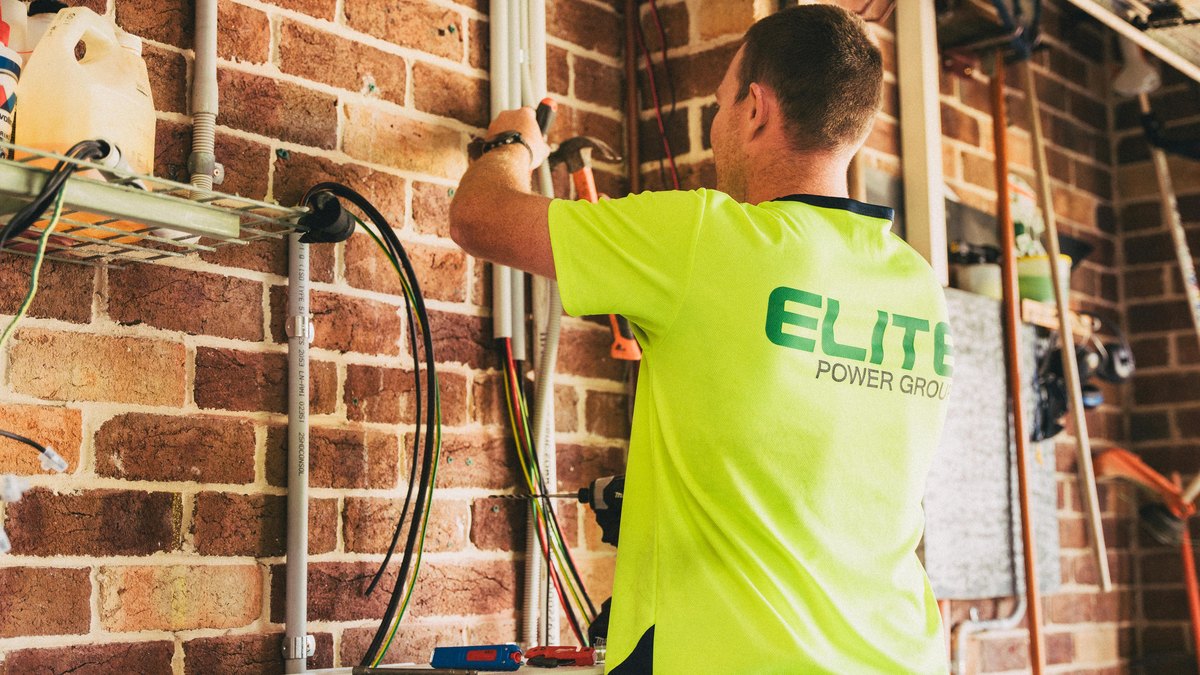
The two warranties above come from the manufacturers and cover the equipment. The workmanship warranty is a different animal. It comes from your installer, and it covers the quality of the installation itself: the mounting, the wiring, the roof penetrations. If a leak appears around a mount or a connection was done poorly, this is the warranty that handles it. These run anywhere from 1 to 10 years depending on the installer, with the better ones offering more. It is one of the clearest signals of how much an installer stands behind their work.
The fine print that matters
A warranty is only as useful as what it actually pays for, so check a few things. Many manufacturer warranties cover the replacement part but not the labour to fit it or the shipping to get it here, which can leave you with a bill even on a valid claim. Batteries carry their own separate warranty again, with its own terms. And the most important point of all: a warranty is only as good as the company standing behind it. A 25-year promise from a brand that has left the market, or an installer who has vanished, is worth little. You can read the general idea of how warranties work on the Wikipedia warranty page.
The takeaway
A solar system really carries several warranties: a product and a performance warranty on the panels, a separate and usually shorter one on the inverter, another on the battery if you have one, and a workmanship warranty from your installer on the build. None of them is the single “25-year warranty” the headline suggests. Read what each covers, note that the inverter is the short straw, check whether labour and shipping are included, and above all choose equipment and an installer likely to still be around when you need to make a claim.
Related reading
- How long do solar panels last in the Caribbean? for what the performance warranty is really promising.
- String inverters vs microinverters: which is better? for why inverter warranties differ.
- How long do solar batteries last? for the separate battery warranty.
- Solar installation for an installer who backs the work with a real workmanship warranty.
What warranties come with a solar system?
Several, not one. The panels carry a product warranty against defects, around 10 to 12 years, and a performance warranty on output, usually 25 years. The inverter has its own warranty, often shorter. A battery, if fitted, has its own again. And your installer provides a workmanship warranty on the installation itself.
What is the difference between a product and a performance warranty?
The product, or materials, warranty covers the panel against manufacturing defects and typically runs 10 to 12 years. The performance warranty guarantees the panel keeps producing at least a set percentage of its original output as it ages, usually around 80 to 85 percent after 25 years. One covers faults, the other covers gradual output.
How long is an inverter warranty?
A string inverter typically comes with about 10 to 12 years, while microinverters and power optimisers are often warranted for around 25 years. Because the inverter is the part most likely to need replacing during the system’s life, its warranty length matters, so it is worth knowing which type your system uses.
What does a workmanship warranty cover?
It covers the quality of the installation itself, the mounting, wiring and roof penetrations, and it comes from your installer rather than a manufacturer. If a leak appears around a mount or a connection was done poorly, this is the warranty that handles it. They run from 1 to 10 years, with better installers offering more.
Do solar warranties cover labour and shipping?
Often not. Many manufacturer warranties cover the replacement part but not the labour to fit it or the shipping to get it here, which can leave you with a bill even on a valid claim. It is worth checking this fine print, and checking what your installer’s workmanship warranty covers, before you buy.
Is a 25-year warranty worth anything if the company closes?
Only as much as the company standing behind it. A long warranty from a brand that has left the market, or an installer who has vanished, is hard to claim on. That is why choosing reputable equipment and an established installer likely to still be around matters as much as the warranty length printed on paper.
The next step
Want to know exactly what your system would be covered for, and by whom? Get a free quote or message us, and we will lay out the panel, inverter, battery and workmanship warranties in plain terms before you commit.