

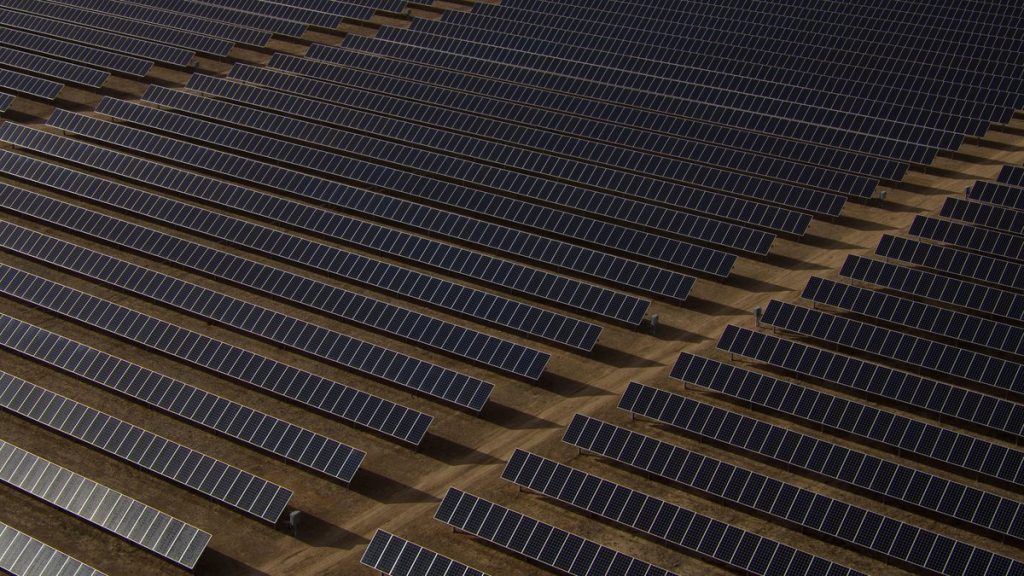
Once you have settled on solar, this question comes up fast: one string inverter for the whole array, or a microinverter on each panel? Both convert your panels’ power into the kind your house uses. The difference is where that happens, and it matters more than the names suggest. Here is the honest comparison.
The core difference
A string inverter is one box, usually on a wall, that all your panels feed into together. A microinverter is a small unit fixed under each individual panel, so every panel converts its own power on the roof. One central brain versus many small ones. Almost everything else follows from that.
Shade is the big one
This is where they really part ways. With a string inverter, the panels work as a team, and the team moves at the pace of its slowest member. Shade one panel with a tree, a vent stack or a rooftop water tank, and the whole string sags toward that shaded panel’s level, not just the one panel. With microinverters, each panel stands on its own, so a shaded panel only costs you that panel while the rest carry on at full output.
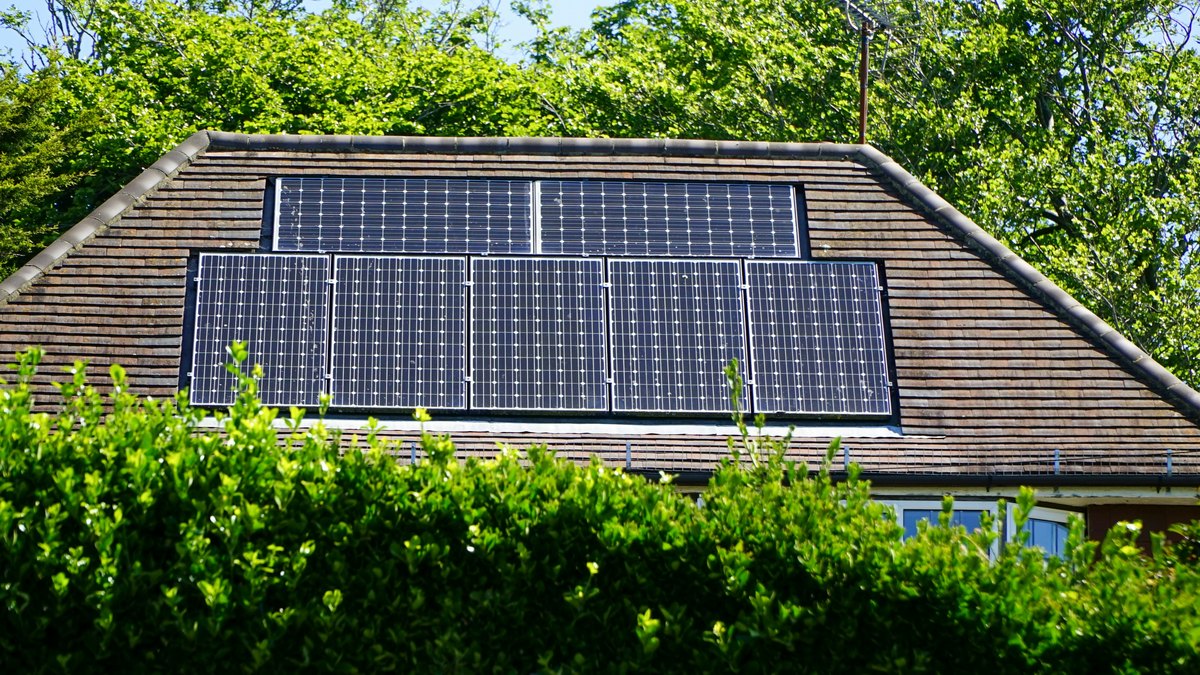
That makes shade the deciding factor for a lot of Jamaican roofs. Between roof-mounted water tanks, vent pipes, neighbouring trees, and panels split across the different faces of an extended house, partial shade is common here. The more cut-up or shaded your roof, the more microinverters earn their place.
Cost and reliability
String inverters cost less up front, which is their main appeal, and on a clean, open roof facing one direction they are efficient and hard to beat on value. Microinverters cost more to start, but they often claw that back by producing more in real conditions, and they tend to come with longer warranties, commonly around 25 years against the shorter cover on a string inverter.
Reliability cuts both ways. A string inverter is a single box, so if it fails the whole system is down until it is fixed, but there is only one unit to service. Microinverters spread the risk: one failing only takes out one panel, though they do sit up on a hot roof, which is a harder life than a shaded wall. Both are proven; neither is fragile.
So which is better
There is no single winner, only the right fit for your roof. If your roof is clean, open and mostly one direction, and you want to keep the cost down, a string inverter is a sound choice. If your roof has shade, faces several directions, or you want every panel pulling its weight and might add more later, microinverters are usually worth the extra. For the wider picture on what an inverter does and the hybrid option for backup, see what an inverter actually does in a solar system and grid-tie, hybrid and off-grid solar explained. You can read the technical background under solar micro-inverter.
The right call comes from looking at your actual roof, the shade through the day, and your budget, which is exactly what we do before recommending one over the other.
Related reading
- What an inverter actually does in a solar system for the role the inverter plays.
- Grid-tie, hybrid and off-grid solar explained for how backup fits into the choice.
- Is solar worth it in Jamaica right now? for the bigger money picture.
- Battery and inverter support for inverter selection, installation and support.
What is the main difference between a string inverter and microinverters?
A string inverter is one central box that all your panels feed into together, while microinverters are small units fixed under each panel so every panel converts its own power on the roof. One central brain versus many small ones. Almost every practical difference, especially how they handle shade, follows from that.
Which handles shade better?
Microinverters, by a clear margin. With a string inverter the panels work as a team and run at the pace of the most shaded one, so shading a single panel drags the whole string down. With microinverters each panel works on its own, so a shaded panel only costs you that panel and the rest carry on at full output.
Are microinverters worth the extra cost?
Often, if your roof has shade or faces several directions. They cost more up front but tend to produce more in real conditions and come with longer warranties, commonly around 25 years. On a clean, open, single-direction roof a cheaper string inverter may give better value, so it comes down to the roof.
Which is more reliable?
Both are proven. A string inverter is one box, so if it fails the whole system is down until it is serviced, but there is only one unit to fix. Microinverters spread the risk, since one failing only takes out one panel, though they sit on a hot roof. Neither is fragile; they simply fail differently.
Which is better for a Jamaican roof?
It depends on the roof. Many Jamaican roofs have partial shade from water tanks, vent pipes, trees or panels split across an extended house, which favours microinverters. A clean, open roof facing one direction suits a string inverter and keeps the cost down. We assess the roof and the shade before recommending one.
Can I add more panels later with either type?
Microinverters make expansion simpler, since you add a panel with its own inverter without reworking a whole string. String inverters can be expanded too, but you have to stay within the inverter’s capacity and string design, so it takes more planning. If you expect to grow the system, mention it when the system is first designed.
The next step
String or micro, the right answer comes from your roof, your shade and your budget, not from a rule of thumb. Get a free quote or message us, and we will look at your roof and recommend the inverter setup that gets you the most for your money.