

Hurricane season runs from June through November, and every year the wind gets all the attention. Fair enough, wind is dramatic. But a lot of the damage that actually costs people money, and sometimes costs lives, is electrical: the power surge when the grid snaps back on, floodwater sitting in a panel, and the generator someone hooked up wrong. None of that makes the news the way a roof flying off does, but we see the aftermath every season.
The good news is that most of it is preventable. Here is how to protect your electrics before a storm, what to do during, and the part people get most wrong, what to do after.
Before the storm: harden the system
The best protection is set up long before a watch is issued.
A whole-home surge protector is the single most useful upgrade. It fits at your breaker panel and defends every circuit in the house at once, which is exactly what you want when the real danger is the surge that comes through the JPS supply, not just lightning. A power strip under the TV cannot do that. We cover where it fits in panel and breaker work.
Behind that first line, use good point-of-use surge protectors on your valuable electronics, the TV, the computer, the inverter. Be honest about quality here; if a surge protector cost less than a fast-food meal, it is probably a plain power strip with no real protection inside.
If you rely on a generator, get it set up properly now, not in the dark during a storm. That means a transfer switch installed by an electrician, which safely disconnects your house from the grid before the generator feeds it. We will come back to why that matters, because it is a life-safety issue, not a convenience.
And underneath all of it, proper grounding. A surge protector can only do its job if the system is correctly earthed, which is one of the things we check on any site assessment.
When a storm is coming
Once a storm is actually on the way, there is a short checklist worth running.
Unplug what you can: televisions, computers, entertainment systems, microwaves, phone and laptop chargers. A device that is physically unplugged cannot be hurt by a surge, full stop. For the big things you cannot unplug, like the stove or water heater, switch them off at the breaker. If serious flooding is possible where you are, it is worth switching off the main breaker entirely before you leave or shelter, so the house is dead while the weather does its worst.
During: hands off, and run the generator safely
While the storm is on, leave the electrics alone. Do not touch the breaker panel with wet hands or while standing on a wet floor. Water and electricity together do not give second chances.
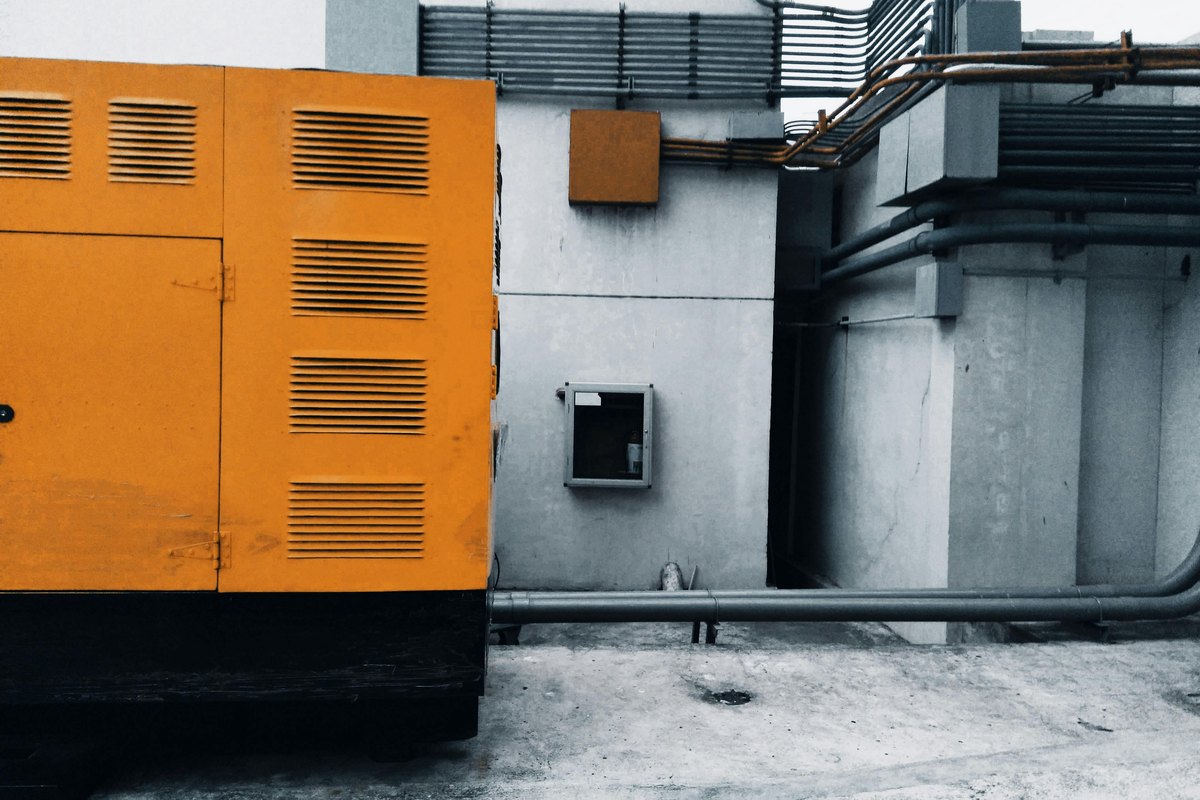
If you are running a portable generator, two rules keep people alive. First, it goes outside, well away from windows and doors, never in the house, the garage or under the eaves, because the exhaust contains carbon monoxide that you cannot smell and that kills indoors. Second, never plug a generator into a wall outlet to feed the house. That trick, sometimes called a suicide cord, pushes power backward onto the JPS lines and can electrocute a lineman working to restore your power. If the generator is connected to your wiring at all, it must be through a transfer switch, and the main breaker must be off. This is the backfeed danger we mentioned, and it is not theoretical.
After: assume everything is live
This is where good people get hurt, because the storm has passed and it feels safe. Treat your electrical system as energised and dangerous until you know otherwise.
If any part of your system got wet, the panel, outlets, or appliances, do not turn the power back on. Floodwater that reaches a panel gets into the busbar, the breakers and the connections, and it does not simply dry out and go back to normal. It leaves corrosion and contamination that make connections overheat and stop breakers from tripping reliably, which is a fire and shock risk that can show up weeks later. A panel that has been underwater usually needs to be inspected and, often, replaced, not just dried off.
That is also the rule, not just our advice. A flooded electrical system has to be inspected and certified, through the Government Electrical Inspectorate, before JPS will reconnect the supply. So if you have had water in the system, the path is electrician first, then inspection, then power, in that order.
Two more after-the-storm rules. Stay well clear of any downed power line and assume it is live, then report it to JPS; never drive over it or move it. And any appliance that got wet should be checked before you use it again, not just plugged in to see if it still works.
Why the surge is the quiet killer
People expect lightning. What catches them out is the surge when the grid comes back after an outage, which can spike hard enough to take out a fridge, an air conditioner or a solar inverter in an instant. That is the everyday case for a whole-home surge protector, and it is why we rate it as the protection most worth having before the season gets going. Atlantic hurricane season officially opens on the first of June, so the time to sort it out is before then, not during the first warning.
Related reading
- Signs your breaker panel needs upgrading because surge protection lives at the panel, and a tired panel is a weak starting point.
- Solar with batteries vs grid-tie only for backup power that rides through outages safely.
- Panel and breaker work for fitting whole-home surge protection and transfer switches.
What is the best way to protect my home electronics during hurricane season?
A layered approach works best. Fit a whole-home surge protector at your breaker panel to defend every circuit, use good point-of-use surge protectors on valuable electronics, unplug what you can before a storm, and make sure the house is properly grounded. The whole-home protector is the most useful single upgrade because the main danger is a surge through the supply, not just lightning.
Should I unplug appliances before a hurricane?
Yes. Unplug televisions, computers, entertainment systems, microwaves and chargers, since a device that is physically unplugged cannot be damaged by a surge. Switch off larger appliances like the stove and water heater at the breaker, and if serious flooding is possible, switch off the main breaker before you shelter or leave.
Is it safe to connect a generator to my house wiring?
Only through a transfer switch installed by an electrician, with the main breaker off. Never plug a generator into a wall outlet to feed the house. Doing so pushes power back onto the JPS lines and can electrocute utility workers restoring power. Generators must also run outdoors, away from windows and doors, because the exhaust contains deadly carbon monoxide.
My electrical panel got flooded. Can I just turn the power back on?
No. Floodwater in a panel gets into the busbar, breakers and connections, leaving corrosion that causes overheating and stops breakers from tripping reliably. A flooded panel usually needs inspection and often replacement, not just drying. By the rules, a flooded system must be inspected and certified before JPS will reconnect, so call an electrician first.
Why does the power surge after an outage damage appliances?
When the grid is restored after an outage, the returning power can spike sharply, and that surge can destroy a fridge, air conditioner or solar inverter in an instant. It is more common than a direct lightning strike, which is why a whole-home surge protector at the panel is the protection most worth having before hurricane season.
When should I prepare my electrics for hurricane season?
Before the season opens on the first of June, not during the first warning. Surge protection, a generator transfer switch and a grounding check all take time to arrange and should be in place before any storm is on the way. Leaving it until a watch is issued usually means doing it in the dark, or not at all.
The next step
The smart time to storm-proof your electrics is before the season, while the sun is shining. Get a free quote or message us about whole-home surge protection, a generator transfer switch, or a grounding and panel check, and go into the season knowing your house is ready.