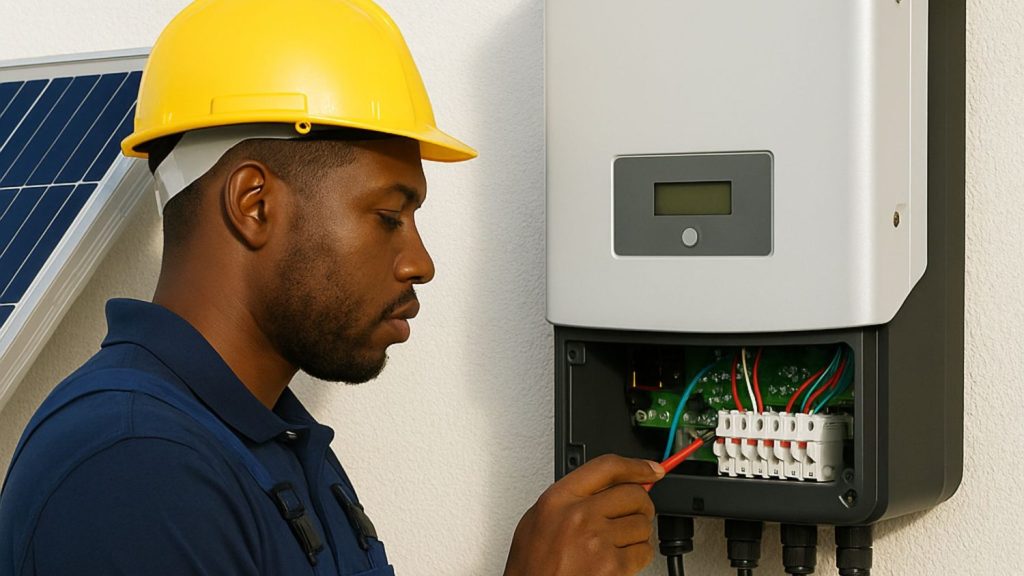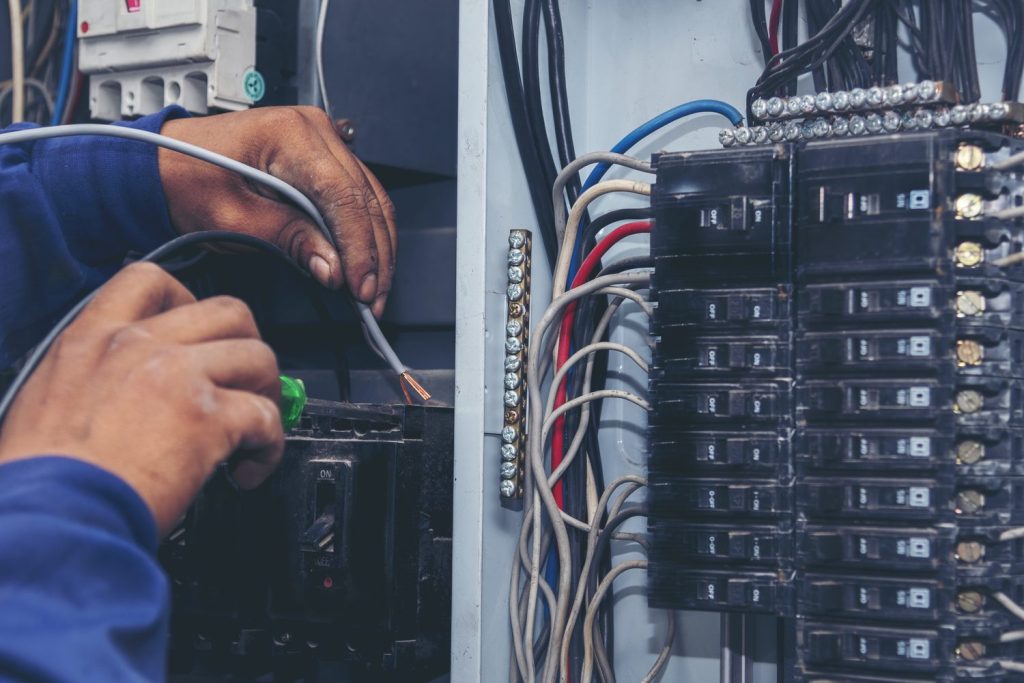
The panel is the heart of your electrical system. When it is undersized, aging, or wired untidily, everything downstream is affected. It is also the first thing that matters when you start thinking about solar.
What we do
- Panel upgrades and replacements.
- Adding new breakers and circuits.
- Repairing faults and overheating at the panel.
- Correcting overloaded or poorly labelled boards.
- Preparing a panel so a solar or battery system can be tied in safely.
When an upgrade makes sense
If you are adding heavy appliances, extending the house, dealing with breakers that trip under normal load, or planning solar, the panel often needs attention first. We assess it and tell you honestly whether it needs work or not, rather than selling you an upgrade you do not need.
Safety first
A tired or overloaded panel is a real fire risk. Discolouration, a buzzing sound, heat, or a board crammed past its rating are all reasons to have it looked at. Work is done to code and tested before we leave.
The solar connection
Because we do both the electrical and the solar side, a panel upgrade and a future solar tie-in are planned together as one job. That avoids paying twice and avoids surprises later. See solar installation.
Frequently asked questions
How do I know if my panel needs upgrading?
Signs include breakers that trip under normal load, a board that is full or past its rating, discolouration, buzzing or heat at the panel, or plans to add heavy appliances or solar. We assess it and tell you honestly whether it needs work.
Do I need to upgrade my panel before adding solar?
Sometimes. Older or undersized panels may need work before a solar or battery system can be tied in safely. Because we handle both sides, we plan the panel work and the solar tie-in together as one job.
How long does a panel upgrade take?
Many residential panel upgrades are completed in a day, though it depends on the scope and the state of the existing wiring. We give you a timeline in the written quote.
Is panel work safe to leave to a handyman?
No. The panel carries the full supply and is a serious fire and shock risk if done wrong. It should be done by a qualified electrician, to code, and tested.